


What is Preventive Dentistry?
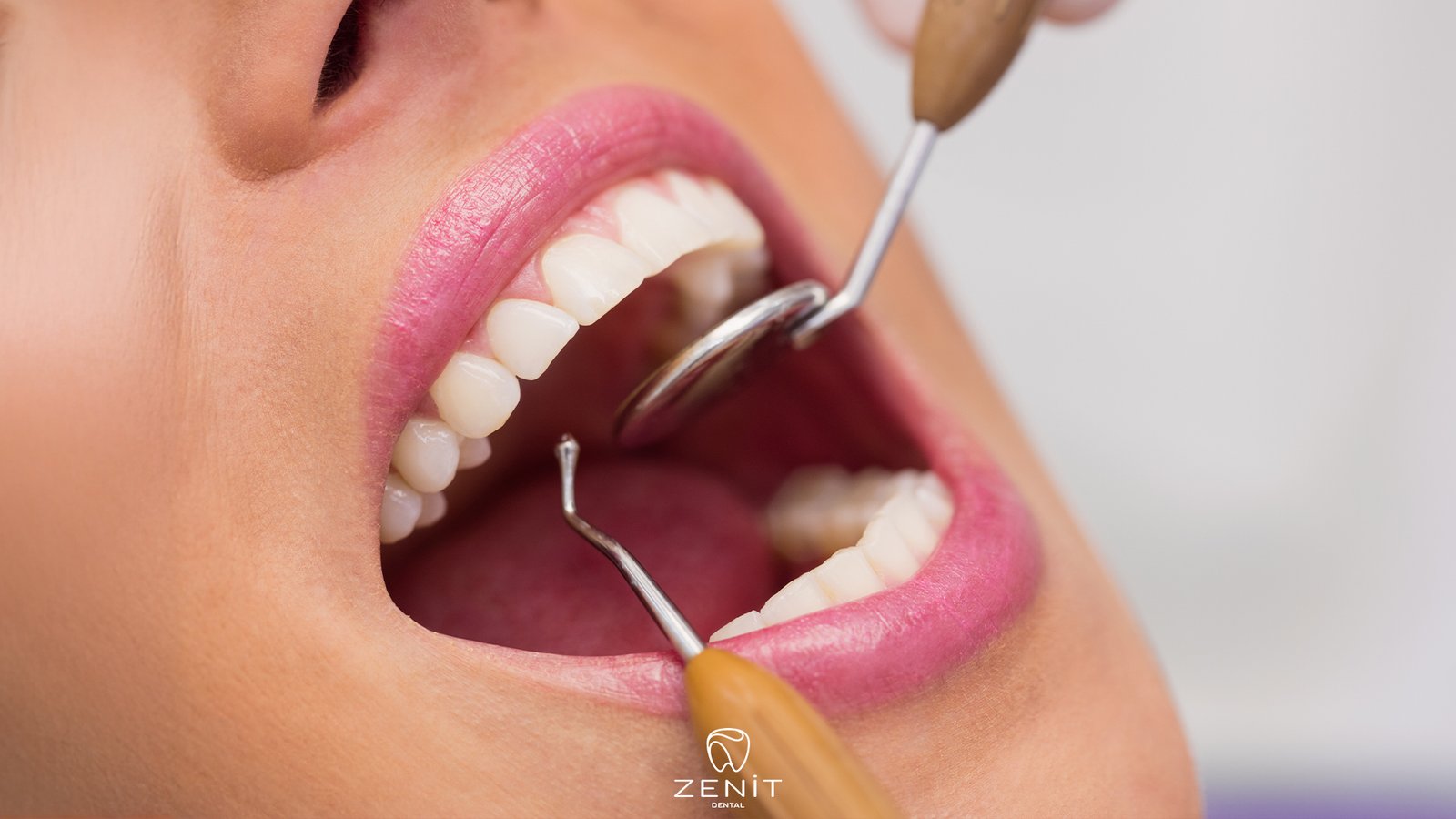
Preventive dentistry, in its simplest form, is an approach focused on protecting oral and dental health by taking precautions before diseases occur. In other words, the main goal here is not to treat a problem after it appears, but to ensure that the problem never occurs in the first place.
In daily life, most of us usually go to the dentist when pain starts, when we notice a cavity, or when a sudden fracture occurs. Although this is quite a common habit, preventive dentistry offers a completely different perspective. In this approach, instead of thinking “I should go when my tooth hurts,” the question “What can I do before my tooth hurts?” comes to the forefront.
Thanks to this mindset, both oral and dental health can be preserved for much longer, and more serious and costly treatments that may occur in the future are prevented. Moreover, it is not only about treatment; adjusting daily habits, regular check ups, and proper oral care education are also important parts of this process.
Main Goals of Preventive Dentistry
The main goal of preventive dentistry is not only to keep teeth healthy; in a broader perspective, it aims to protect the entire oral cavity and surrounding tissues. In this approach, teeth are not evaluated alone; gums, oral tissues, and overall oral hygiene are considered as a whole.
At the center of this approach is preventing problems before they occur rather than intervening after they arise. Because many dental and gum diseases can be much more easily controlled—or even completely prevented—when detected at an early stage.
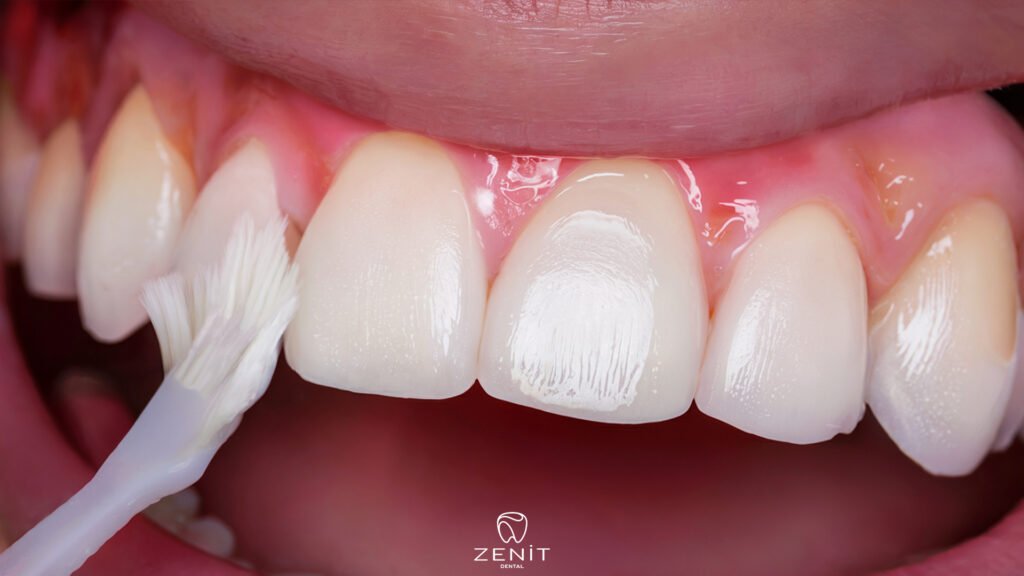
One of the most important goals of preventive dentistry is to prevent tooth decay. Caries formation is usually a gradual process and can be largely prevented with proper care, regular brushing habits, and fluoride applications. In this way, the risk of tooth loss is reduced and advanced treatments are not needed.
Another important goal is to prevent gum diseases. Gum problems often progress silently and may reach advanced stages before being noticed. With a preventive approach, these diseases can be prevented through regular check ups and proper cleaning habits.
Methods Used in Preventive Dentistry
Preventive dentistry is not just about simple advice like “brush your teeth and take care of them.” It is a comprehensive approach supported by professional clinical procedures. The goal is to protect oral health through both daily habits and regular dental check ups.
Regular Dental Check ups
One of the most basic steps of preventive care is regular dental check ups. Usually performed every 6 months, these check ups allow early detection of many problems that the patient may not even notice. For example, a newly started cavity or an asymptomatic gum issue can be identified early and easily controlled. This prevents more serious and difficult treatments in the future.
Professional Dental Cleaning
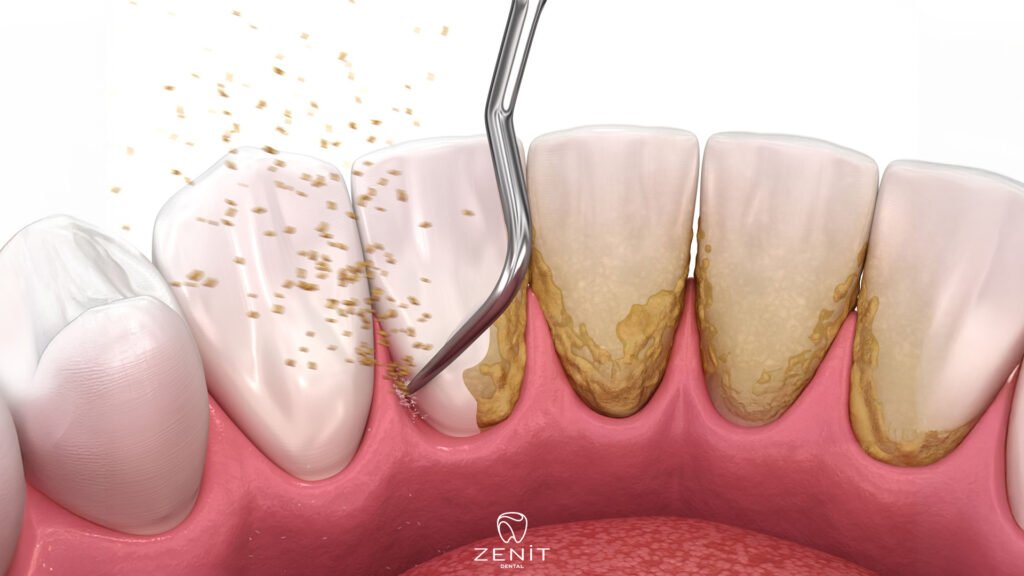
Although daily brushing is very important, it is not always possible to completely remove plaque and tartar that accumulate over time, especially along the gum line. This is where professional dental cleaning comes in. With this procedure performed by a dentist, tartar is removed, the bacterial load in the mouth is reduced, and gums regain a healthy structure. This creates a significant improvement both aesthetically and medically.
Fissure Sealants
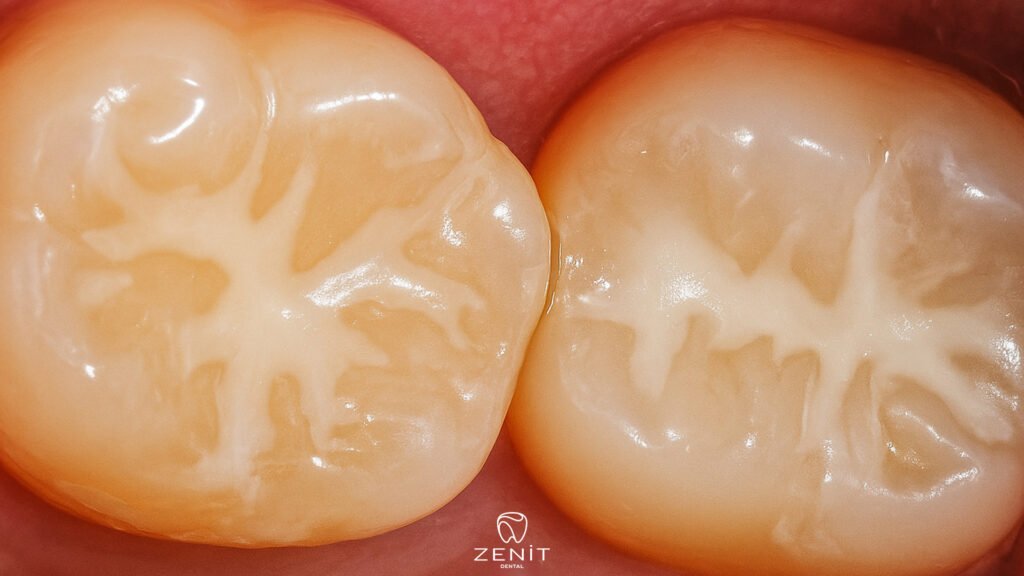
Fissure sealants, commonly used especially in children, are applied to cover the grooves on the chewing surfaces of molar teeth. These areas are highly prone to food accumulation and carry a risk of cavity formation. With fissure sealants, these grooves are sealed and the tooth surface becomes smoother. This makes it harder for bacteria to attach and significantly reduces the risk of decay.
Fluoride Applications
Fluoride applications are an important preventive method that strengthens tooth enamel and makes teeth more resistant to decay. They are especially effective for individuals with a high risk of cavities. When applied regularly, tooth resistance to external factors increases and the likelihood of decay significantly decreases. It is a simple yet powerful protective method.
Oral Hygiene Education
Perhaps one of the most important parts of preventive dentistry is oral hygiene education. Because the success of the entire process largely depends on the individual’s daily habits. At this stage, proper brushing techniques are taught, flossing is explained, and daily care routines are demonstrated in detail. Over time, this knowledge turns into habits, and the person begins to take care of their oral health much more consciously.
Preventive Dentistry in Daily Life
In daily life, preventive dentistry is actually shaped entirely by a person’s habits. Although clinical procedures are important, the biggest part of the process starts and continues at home. Brushing teeth at least twice a day forms the foundation of this process. In addition, flossing is very important for cleaning areas between teeth that are difficult to reach with a toothbrush. Reducing excessive sugar consumption, limiting acidic drinks, and drinking plenty of water are simple but effective habits that directly support dental health.
In addition, there are some important points to consider. Frequent snacking throughout the day increases the acid level in the mouth, significantly raising the risk of cavities. Similarly, going to bed without brushing teeth allows plaque accumulated throughout the day to remain on the teeth for a long time, increasing the risk of both cavities and gum problems. Also, brushing teeth too hard does not provide better cleaning as commonly believed; on the contrary, it can damage the enamel and cause sensitivity problems.
Preventive Dentistry in Children
Childhood is one of the most important periods in terms of oral and dental health. Because the habits formed at this age directly affect a person’s oral health throughout life. In other words, proper care routines learned in childhood are the key to healthy teeth in adulthood.
There are several main reasons why this period is so important. Although primary teeth are temporary, they actually guide permanent teeth. Keeping them healthy helps permanent teeth erupt in the correct position. If cavities develop in primary teeth early, they may lead to more serious orthodontic and dental problems later on. In addition, habits such as brushing, diet, and oral care awareness formed in childhood create the foundation of lifelong oral health.
For this reason, certain special applications are very important in preventive pediatric dentistry. Fissure sealants applied to the chewing surfaces of molars significantly reduce cavity formation. In addition, fluoride gel and fluoride varnish applications strengthen tooth enamel and provide extra protection against decay. Moreover, regular dental check-ups help children become familiar with the dental environment at an early age, turning it from a frightening experience into a natural part of their healthcare routine.
Comments are closed