


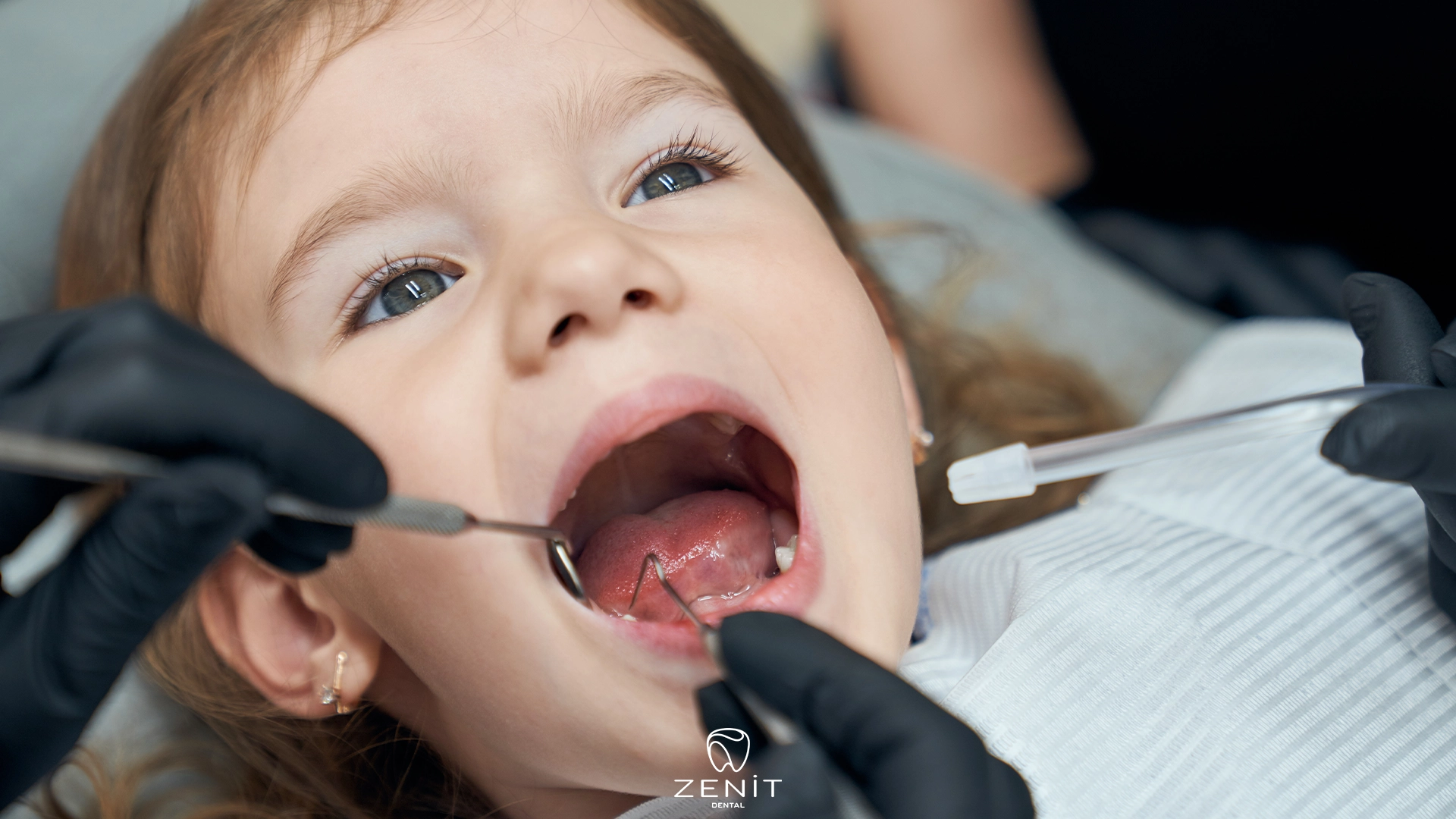
When Should Children Have Their First Dental Visit?
Maintaining healthy teeth and gums in children is closely related to the care and attention they receive from the earliest months of life, not just during adulthood. Although many parents want to protect their children’s dental health, they may be unsure about the ideal time to schedule their first dental examination. Since baby teeth are temporary, some families believe that dental visits can be postponed until permanent teeth begin to emerge. However, early dental appointments play an essential role in maintaining good oral health.
Children’s first dental visit should be scheduled when the first baby tooth erupts and should take place no later than the child’s first birthday. Early dental examinations allow dentists to evaluate tooth development, identify potential risk factors for tooth decay, and guide parents on appropriate oral hygiene practices.
Pediatric dentistry, also known as pedodontics, is a specialized field of dentistry dedicated to children’s oral and dental health from infancy through adolescence. Dental examinations during this period aim not only to identify existing problems but also to help prevent potential dental issues before they develop.
So, when should babies have their first dental checkup? What happens during the first examination, and how can parents prepare their children for a dental appointment? In this comprehensive guide prepared by Zenit Dental, we answer the most common questions parents have about their children’s first dental visit.
At What Age Should Children Have Their First Dental Visit?
The recommended time for children’s first dental visit is when their first baby tooth begins to emerge. The American Academy of Pediatric Dentistry (AAPD) and the American Dental Association (ADA) recommend scheduling the first dental examination within six months of the eruption of the first tooth and no later than 12 months of age.
A baby’s first tooth typically begins to emerge around six months of age. However, the timing of tooth eruption varies from child to child. Some babies develop their first tooth at four or five months, while others may not have their first tooth until approximately 12 months.
Individual differences in teething schedules do not necessarily indicate a health problem. Nevertheless, if tooth eruption is significantly delayed or accompanied by other developmental concerns, a dental evaluation is important.
Once the first tooth appears, surfaces on which dental cavities can develop become present in the mouth. Therefore, postponing the first dental appointment until a child reaches three or four years of age is not recommended.
The primary purpose of an early examination is to establish a preventive oral healthcare plan before dental problems develop or progress.
Why Is the First Dental Examination Important for Babies?
During infancy, oral and dental health is an essential component of a child’s overall development. Baby teeth contribute to chewing food, speech development, and maintaining the space needed for permanent teeth.
Children’s first dental visit helps monitor these developmental processes from an early age.
1. Preventing Early Childhood Tooth Decay
Tooth decay can develop in baby teeth as soon as they become visible in the mouth. Frequent sugar consumption, inadequate oral hygiene, and unsuitable feeding habits can increase the risk of cavities.
Early childhood caries may not cause noticeable pain during their initial stages. White, chalky, or brown discoloration on tooth surfaces may be among the first visible signs.
Regular dental examinations allow these changes to be evaluated and preventive measures to be planned to reduce the risk of further decay.
2. Monitoring Tooth and Jaw Development
Children’s oral structures continuously change as they grow. The timing of baby tooth eruption, the relationship between neighboring teeth, and jaw development are all important aspects of this process.
A dentist evaluates whether a child’s dental development is progressing appropriately for their age. When necessary, follow-up appointments may be recommended to monitor conditions that could affect tooth alignment or jaw development.
3. Establishing Proper Oral Hygiene Habits
During infancy and early childhood, parents are primarily responsible for cleaning their children’s teeth. However, families may not always know which toothbrush to use, how much toothpaste to apply, or how to clean their child’s teeth effectively.
During the first dental examination, parents receive guidance on oral hygiene methods appropriate for their child’s age.
4. Helping Reduce Dental Anxiety
When a child’s first encounter with a dentist occurs because of pain or an emergency treatment, they may develop negative feelings about the dental environment.
In contrast, early preventive appointments provide an opportunity for children to become familiar with the dentist in a calmer setting.
Although every child’s adjustment process is different, positive dental experiences may help reduce anxiety about future dental appointments.
What Happens During a Child’s First Dental Visit?
One of the most common questions parents ask is what procedures are performed during a baby’s first dental examination.
Children’s first dental visit generally involves a short examination focused on prevention. The scope of the appointment may vary depending on the child’s age, oral health condition, and individual needs.
Examination of the Teeth and Oral Structures
The dentist examines the existing baby teeth, gums, tongue, and other soft tissues inside the mouth.
The examination aims to identify early signs of tooth decay, developmental differences, or other conditions that may require attention.
Evaluation of the Teething Process
The sequence and timing of baby tooth eruption are assessed. The dentist determines whether the teething process falls within the expected developmental range and provides parents with relevant information.
Assessment of Tooth Decay Risk
The child’s diet, nighttime feeding habits, oral hygiene practices, and current dental condition are evaluated together.
This information helps determine the child’s likelihood of developing tooth decay in the future.
Oral Hygiene Education for Parents
Parents receive recommendations about cleaning their child’s teeth, using fluoride toothpaste, maintaining healthy feeding habits, and considering preventive dental care.
Creating a Follow-Up Plan
Following the examination, the dentist may recommend an appropriate follow-up schedule based on the child’s individual needs.
Routine monitoring may be sufficient for some children, while those with a higher risk of tooth decay may require more frequent appointments.
Routine dental X-rays or treatment procedures are not automatically necessary during the first appointment. Such procedures are considered only when clinically indicated.
How Should Parents Prepare Their Children for Their First Dental Appointment?
Creating a positive first dental experience depends on the approach taken by both parents and dental professionals.
Before children’s first dental visit, parents can take several steps to help their child feel more comfortable during the examination.
Explain the Appointment in an Age-Appropriate Way
Children who have developed sufficient language and comprehension skills can be given simple explanations about what a dentist does.
For example, parents can explain that the dentist will count their teeth and check whether they are healthy.
Instead of providing complex medical details that a child may not understand, it is better to use short, clear, and positive explanations.
Avoid Frightening Language
Presenting a dental appointment as a punishment or threat can cause children to develop negative associations with dental care.
Similarly, parents should avoid making unrealistic promises such as “You definitely won’t feel anything” before knowing which procedures may be necessary.
Instead, they can explain that the dentist will describe what is happening step by step and help the child feel comfortable.
Choose the Right Appointment Time
Young children may have difficulty adapting to unfamiliar environments when they are hungry, sleepy, or tired.
For this reason, scheduling a dental appointment when the child is well-rested may be beneficial.
Allow Your Child to Bring a Favorite Item
A small toy or familiar comfort object may help a child feel more secure and adjust to the dental environment.
Stay Calm as a Parent
Children can easily recognize their parents’ anxiety. Maintaining a calm and reassuring attitude before and during the appointment is therefore important.
Some babies may cry or resist during their first dental examination. This is normal and does not necessarily mean that the appointment has been unsuccessful.
Why Are Baby Teeth So Important?
Although baby teeth are temporary, they perform several important functions in children’s oral health.
A complete set of 20 primary teeth usually develops by around three years of age. However, the timing of tooth eruption may vary among children.
The main functions of baby teeth include helping children chew food, supporting speech development, and maintaining space for permanent teeth.
If cavities in baby teeth are left untreated, they can lead to pain, infection, difficulty chewing, and sleep disturbances.
In some cases, the premature loss of primary teeth may cause neighboring teeth to shift, reducing the space available for permanent teeth to erupt.
Therefore, existing dental problems should not be ignored simply because baby teeth will eventually fall out.
During children’s first dental visit, parents are informed about preventive measures that can help protect their child’s primary teeth.
When Should Children Start Brushing Their Teeth?
Oral hygiene practices can begin even before the first tooth appears. A baby’s gums may be gently cleaned using a clean, soft, damp cloth or gauze.
Once the first baby tooth erupts, regular brushing should begin using a small, soft-bristled toothbrush designed for infants.
Using an appropriate amount of fluoride toothpaste is an important preventive measure against tooth decay.
Tooth Brushing for Children Aged 0-3
For children younger than three years, a rice-grain-sized smear of fluoride toothpaste is recommended.
Parents should brush their child’s teeth twice daily, once in the morning and once before bedtime.

Children in this age group may not yet have developed the ability to spit out toothpaste effectively. Therefore, it is important not to exceed the recommended amount.
Tooth Brushing for Children Aged 3-6
Children between three and six years of age may use a pea-sized amount of fluoride toothpaste.
They should be encouraged to learn how to brush their own teeth, but parental assistance should continue to ensure effective cleaning.
Tooth Brushing for Children Aged 6 and Older
As children reach school age, they gradually become more independent in their oral hygiene routines.
However, parents should continue supervising brushing until their child has developed sufficient manual skills to clean all tooth surfaces effectively.
Dental floss may also be necessary to clean the spaces between teeth that touch each other. A dentist can demonstrate the appropriate flossing technique based on the child’s age and needs.
How Can Parents Prevent Tooth Decay in Children?
Early childhood tooth decay develops as a result of several interacting factors. These include the frequency of eating, oral hygiene habits, tooth characteristics, and fluoride exposure.
Children’s first dental visit is important for assessing cavity risk and identifying preventive strategies that families can incorporate into everyday routines.
Limit Sugary Foods and Beverages
Frequently consuming foods and drinks containing sugar can encourage bacteria in the mouth to produce acids.
In particular, frequent snacking may expose teeth to repeated acid attacks throughout the day.
Therefore, parents should reduce the frequency of sugary snacks and establish a balanced, age-appropriate diet.
Be Careful About Bottle Feeding at Bedtime
Allowing a baby to fall asleep with a bottle containing milk, formula, fruit juice, or sugary drinks may increase the risk of tooth decay, particularly after the first teeth have erupted.
It is important to finish bottle feeding before bedtime and clean the child’s teeth afterward.
Breastfeeding practices should be evaluated according to the child’s nutritional and developmental needs. Recommendations regarding nighttime feeding should be individualized in consultation with the child’s pediatrician and dentist.
Encourage Appropriate Water Consumption
Drinking age-appropriate amounts of water is beneficial for oral health.
Choosing water instead of sugary beverages can help reduce unnecessary sugar exposure.
Establish a Regular Brushing Routine
Brushing teeth twice daily helps remove bacterial plaque from tooth surfaces.
Cleaning the teeth before bedtime is an especially important part of a consistent oral hygiene routine.
Consider Preventive Dental Treatments
For some children, dentists may recommend professional fluoride applications or dental sealants for suitable teeth.
The need for these preventive treatments and their timing depend on the child’s age, dental development, and risk of tooth decay.
What Happens If a Child’s First Dental Visit Is Delayed?
Delaying the first dental appointment does not necessarily mean that every child will develop oral health problems. However, opportunities to identify and prevent certain conditions at an early stage may be missed.
For example, early tooth decay does not always cause pain. If parents do not notice any visible problems, cavities may continue to progress.
Similarly, families may consider some feeding or oral hygiene habits harmless, even though these behaviors could negatively affect dental health over time.
Regular dental examinations are important not only for detecting oral diseases but also for educating families about appropriate preventive care.
If your child is older than one year and has not yet visited a dentist, there is no need to become overly concerned or postpone the appointment further. Scheduling the first examination as soon as reasonably possible is a positive step.
When Should Children See a Dentist Earlier Than Scheduled?
In addition to routine checkups, certain symptoms may require an earlier dental evaluation.
A dental appointment should not be delayed if your child experiences any of the following:
- White, brown, or black spots on the teeth
- Noticeable gum swelling or recurring bleeding
- Pain while chewing
- Chipped, cracked, or broken teeth
- Dental injuries caused by falls or impacts
- Mouth sores that do not heal
- Significant concerns about tooth eruption or development
- Persistent tooth pain or sensitivity
Prompt medical or dental evaluation is particularly important when a child develops noticeable facial swelling, signs of dental infection accompanied by fever, or an injury involving the mouth.
Symptoms such as difficulty breathing or swallowing require immediate emergency medical attention.
Early evaluation of dental problems can help dentists plan appropriate treatment options before conditions become more complicated.
How Often Should Children Have Dental Checkups?
After children’s first dental visit, establishing an appropriate schedule for routine dental examinations is essential.
Although dental checkups every six months are commonly recommended, this interval is not necessarily suitable for every child.
Children with a higher risk of tooth decay, a history of cavities, or special oral healthcare needs may require more frequent examinations.
For children considered to be at lower risk, the appropriate interval between appointments may be determined by the dentist’s clinical assessment.
During regular checkups, the dentist evaluates primary tooth development, newly erupting teeth, oral hygiene practices, and dietary habits.
This ongoing monitoring allows changes in oral and dental development to be assessed more systematically as children grow.
Children’s Oral and Dental Health by Age
Children’s oral healthcare needs change throughout their growth and development.
Therefore, different age groups require attention to different aspects of dental health.
| Age Group | Recommended Oral Healthcare Approach |
|---|---|
| 0-6 months | Gently clean the gums and observe oral development. |
| First tooth-12 months | Schedule the first dental examination and begin regular tooth brushing. |
| 1-3 years | Monitor baby tooth development and ensure parents perform daily oral cleaning. |
| 3-6 years | Develop good brushing habits and monitor the risk of tooth decay. |
| 6-12 years | Monitor permanent tooth eruption and consider appropriate preventive dental treatments. |
| 12 years and older | Regularly assess permanent teeth, gum health, and jaw development. |
This table is intended for general guidance. Every child’s dental development and oral healthcare needs may differ.
What Is Pediatric Dentistry (Pedodontics)?
Pediatric dentistry, also known as pedodontics, is a dental specialty focused on protecting oral health, identifying dental diseases, and providing necessary treatments for children from birth through adolescence.
Pediatric dentists consider not only the development of primary and permanent teeth but also children’s behavioral and psychological needs.
Services within pediatric dentistry may include preventive dental examinations, fluoride treatments, fissure sealants, fillings for primary teeth, pulp treatments when necessary, and the assessment of dental injuries.
Additionally, habits such as thumb sucking and pacifier use may be evaluated because of their potential influence on tooth alignment and jaw development.
Children’s first dental visit represents one of the earliest stages of preventive care in pediatric dentistry.
How Should Parents Approach Children Who Are Afraid of the Dentist?
Some children may experience anxiety when entering an unfamiliar environment or seeing medical equipment they have never encountered before.
In these situations, parents should focus on building trust rather than dismissing the child’s fears or forcing them to cooperate.
Using age-appropriate explanations, allowing children to communicate with the dentist, and introducing the examination gradually can help improve their comfort.
For some children, having a first appointment focused primarily on becoming familiar with the dentist and the clinic may help them feel more comfortable during future visits.
However, not every child adapts at the same pace. Some children may require additional time or specialized behavior guidance techniques.
Common Mistakes Parents Make Regarding Children’s Dental Health
Certain misconceptions about children’s oral health may lead families to delay preventive dental care.
Underestimating the importance of baby teeth: The temporary nature of primary teeth does not mean that dental problems requiring treatment can be ignored.
Waiting for tooth pain before scheduling the first appointment: One of the primary purposes of routine dental examinations is to identify potential problems before they cause discomfort.
Allowing young children to brush entirely on their own: Young children may not have sufficient manual dexterity to clean their teeth effectively. Parental assistance is therefore necessary.
Using too much toothpaste: The amount of fluoride toothpaste should be appropriate for the child’s age, particularly in younger children.
Neglecting routine dental checkups: Even when no obvious symptoms are present, dental examinations remain important for preventive care and risk assessment.
Avoiding these mistakes can help children establish healthier oral hygiene habits from an early age.
Pediatric Dentist in Gebze – Zenit Dental
Monitoring children’s oral and dental health from an early age is important for supporting their healthy growth and development.
Located in Gebze, Zenit Dental provides a range of oral and dental healthcare services, including pediatric dentistry.
Evaluating tooth development, protecting primary teeth, supporting healthy oral hygiene habits, and planning treatment when necessary are among the main areas addressed in pediatric dental care.
Parents looking for a pediatric dentist in Gebze can visit Zenit Dental’s Our Dentists page to learn more about the dental professionals working in the field of pediatric dentistry.
If you have questions about your child’s oral health or would like to schedule their first dental examination, you can contact the clinic through the Zenit Dental Contact Page.
Frequently Asked Questions About Children’s First Dental Visit
At What Age Should a Baby First Visit the Dentist?
Babies should visit a dentist when their first primary tooth erupts. The general recommendation is to schedule the first dental examination within six months of the first tooth appearing and no later than 12 months of age.
Even if the first tooth has not yet erupted, an oral development assessment around the child’s first birthday is appropriate.
Does a One-Year-Old Baby Really Need a Dental Appointment?
Yes. A first dental examination is recommended for one-year-old babies to assess their teeth and oral structures, determine the risk of tooth decay, and educate parents about appropriate oral hygiene techniques.
Is a Child’s First Dental Examination Painful?
The first dental appointment generally involves examining the teeth and tissues inside the mouth.
A routine preventive examination is usually not painful. However, if the dentist identifies a dental problem, any necessary procedures and potential discomfort will be explained to the parents.
How Long Does a Child’s First Dental Visit Take?
The duration of the examination may vary depending on the child’s age, clinical findings, level of cooperation, and the parents’ questions.
In addition to examining the teeth, the dentist may provide guidance on oral hygiene practices and feeding habits.
Should I Take My Child to the Dentist If No Teeth Have Erupted Yet?
If your child is approaching or has reached their first birthday but has not yet developed any baby teeth, a dental evaluation can be arranged.
Although tooth eruption timing varies among children, assessing oral development can be beneficial.
Should Cavities in Baby Teeth Be Treated?
Yes. Cavities affecting baby teeth should be evaluated by a dentist.
The need for treatment depends on the depth of the cavity, the condition of the tooth, the child’s age, and other clinical factors.
Untreated cavities may lead to pain, infection, and premature tooth loss.
Can Children Use Fluoride Toothpaste?
Yes. According to current dental recommendations, children can use age-appropriate amounts of fluoride toothpaste as soon as their first tooth erupts.
A rice-grain-sized amount is recommended for children younger than three, while a pea-sized amount is recommended for children aged three to six.
Toothpaste should be used under parental supervision.
How Many Times a Year Should Children Visit the Dentist?
Dental examinations every six months are common.
However, the appropriate frequency depends on the child’s risk of tooth decay and overall oral health condition.
Some children may benefit from shorter or longer intervals between appointments.
What Should Parents Do If Their Child Is Afraid of the Dentist?
Parents should explain dental appointments calmly and in language appropriate for the child’s age.
Dental visits should never be presented as punishment.
It is important to understand the reasons behind the child’s fears and follow the dentist’s recommendations for helping them become comfortable with dental care.
Are Dental X-Rays Taken During the First Dental Visit?
Routine dental X-rays are not necessary for every child during their first appointment.
The need for X-rays is determined by the dentist based on clinical examination findings and the child’s individual oral healthcare needs.
Conclusion: Do Not Delay Your Child’s First Dental Checkup
Protecting children’s oral and dental health begins with appropriate hygiene habits at an early age and continues through regular professional dental evaluations.
Children’s first dental visit should be scheduled when the first primary tooth erupts and should take place no later than the child’s first birthday.
This early appointment provides an important opportunity to evaluate the development of baby teeth, identify potential cavity risks, and educate parents about effective oral hygiene practices.
Regular tooth brushing, age-appropriate fluoride toothpaste use, balanced nutrition, and individualized dental checkups can all contribute to maintaining good oral health throughout childhood.
At Zenit Dental, we believe that helping parents make informed decisions about their children’s oral and dental health is an essential part of preventive care.
If you would like to learn more about your child’s first dental examination or schedule a pediatric dentistry appointment in Gebze, please contact Zenit Dental.
Remember: The foundation of a healthy smile begins when the very first teeth appear.
Medical Disclaimer: This article is provided for general informational purposes only and does not replace professional dental diagnosis, examination, or treatment. For personalized advice regarding your child’s oral and dental health, please consult a qualified dental professional.