


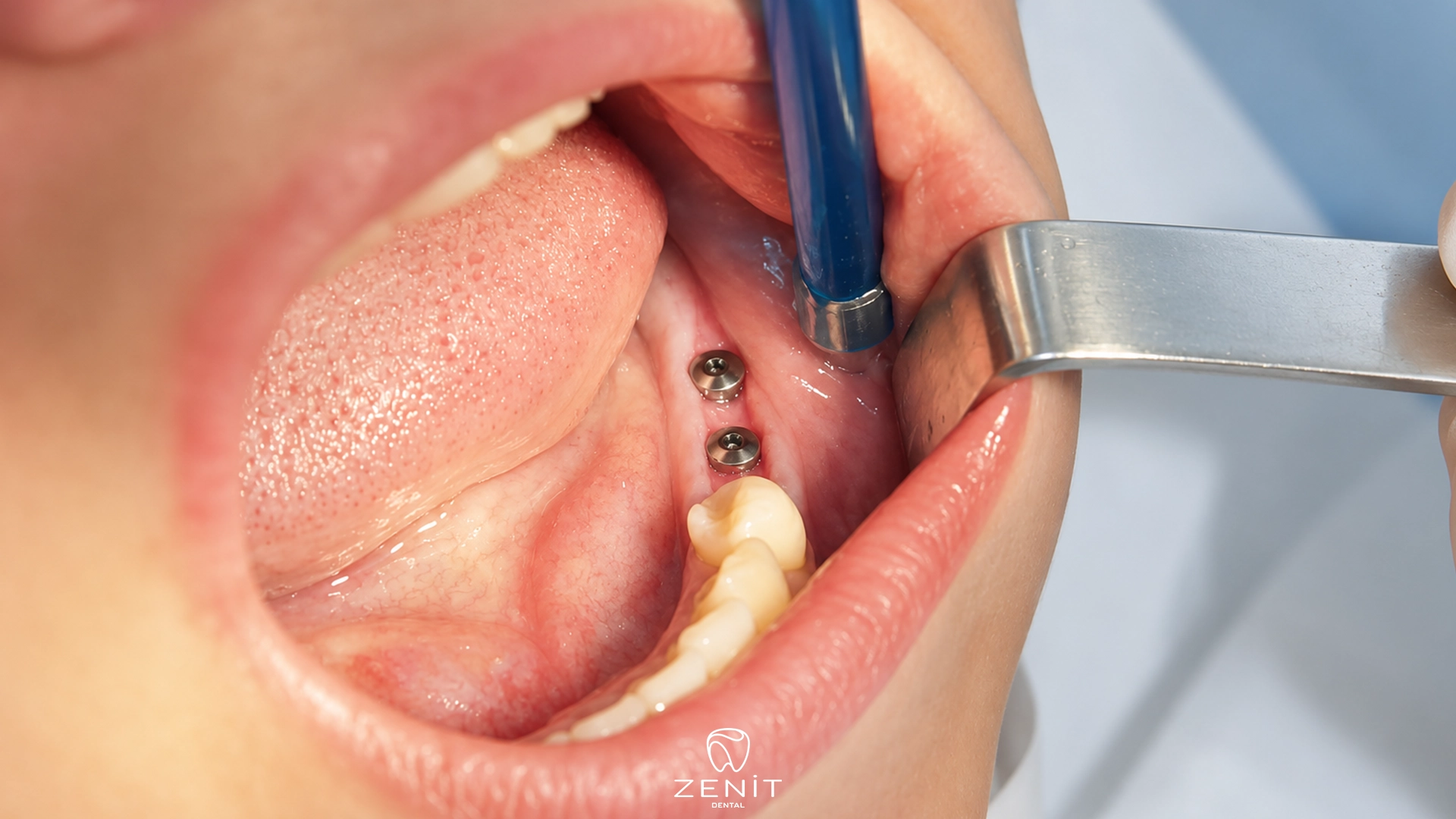
Is Swelling and Pain After Dental Implant Surgery Normal? A Complete Guide to the Healing Process
Dental implants are a widely used treatment option for replacing missing teeth and restoring oral function. They provide a foundation for replacement teeth by supporting crowns, bridges, or dentures. However, because dental implant placement involves a surgical procedure, patients may experience temporary discomfort during recovery.
One of the most common concerns among patients is whether swelling and pain after dental implant surgery are normal and how long these symptoms are expected to last.
It is common to experience mild to moderate discomfort, gum tenderness, facial swelling, and occasionally bruising following dental implant placement. These symptoms are generally associated with the body’s natural response to surgery and usually improve as the surrounding tissues heal.
Nevertheless, not all postoperative symptoms should be considered normal. Severe pain, worsening swelling, fever, persistent bleeding, or discharge from the surgical site may indicate complications requiring professional evaluation.
At Zenit Dental, we believe that understanding the dental implant healing process helps patients follow appropriate aftercare instructions and recognize when additional dental care may be necessary.
In this comprehensive guide, we explain the causes of swelling and pain after dental implant surgery, the expected recovery timeline, practical aftercare recommendations, possible warning signs, and answers to frequently asked questions.
Is Swelling and Pain After Dental Implant Surgery Normal?
Yes. Swelling and pain after dental implant surgery are generally expected during the early stages of recovery.
Dental implant placement requires the dentist or oral surgeon to prepare a small opening in the jawbone and insert a titanium or other biocompatible implant fixture. Depending on the treatment plan, the gum tissue may also require an incision and sutures.
Although the procedure is usually performed under local anesthesia, patients may begin to experience discomfort once the anesthetic effect wears off.
The body responds to surgical trauma through a natural inflammatory process. This response supports tissue repair but can also cause temporary swelling, tenderness, and pain.
Common symptoms following dental implant surgery include:
- Mild to moderate discomfort around the implant site
- Swelling of the gums or surrounding facial tissues
- Tenderness when chewing or opening the mouth
- Mild bruising around the cheek or jaw
- Minor bleeding or blood-tinged saliva during the initial recovery period
- Tightness or sensitivity around the surgical area
- Temporary difficulty chewing certain foods
The severity of these symptoms varies depending on the number of implants placed, the complexity of the procedure, whether bone grafting was performed, and individual healing factors.
The most important consideration is whether symptoms improve over time.
Discomfort that gradually decreases is generally consistent with normal healing. In contrast, pain or swelling that becomes progressively worse requires professional assessment.
What Causes Pain After Dental Implant Surgery?
Pain after dental implant surgery can result from several temporary changes in the tissues surrounding the implant.
During surgery, the dentist prepares the jawbone and places the implant into the appropriate position. This process affects the gum tissue, bone, and surrounding structures.
As the tissues begin to heal, temporary inflammation and sensitivity may occur.
1. Surgical Trauma to the Gum Tissue
Dental implant placement often involves making an incision in the gum to access the jawbone.
Following surgery, the affected tissue begins repairing itself. During this process, patients may experience tenderness, tightness, and mild discomfort.
These symptoms are often more noticeable during the first 24–72 hours after surgery.
2. Temporary Sensitivity in the Jawbone
Dental implants are inserted into a prepared site within the jawbone.
The bone surrounding the implant undergoes biological changes during healing. These changes are part of the process that eventually allows the implant to establish a stable connection with the surrounding bone.
Temporary discomfort may occur after this surgical preparation.
However, severe or continuously worsening pain should not automatically be attributed to normal bone healing.
3. Gum Sutures and Tissue Tension
Some dental implant procedures require stitches to support wound closure.
Patients may notice slight pulling, tightness, or sensitivity around the stitches.
These sensations generally improve as the soft tissues recover.
The timing of suture removal depends on the type of stitches used and the dentist’s treatment plan.
4. Additional Surgical Procedures
Dental implants are sometimes placed alongside other procedures, including:
- Tooth extraction
- Bone grafting
- Sinus lift surgery
- Guided bone regeneration
- Soft tissue grafting
These additional procedures may increase the extent of postoperative swelling and discomfort.
Patients who undergo complex surgery may require a longer recovery period than those receiving a single implant without additional treatment.
Why Does Swelling Occur After Dental Implant Placement?
Swelling is one of the body’s natural responses to a surgical procedure.
When the gum and bone tissues are treated, the body activates biological processes that support healing.
As part of this response, fluid can temporarily accumulate in the surrounding tissues, leading to postoperative swelling.
Swelling may appear in different areas depending on the location of the implant.
Common affected areas include:
- Gum tissue surrounding the implant
- Cheeks
- Jawline
- Lips
- Nearby facial tissues
The amount of swelling after dental implant surgery depends on several factors, including surgical complexity, individual inflammatory response, and whether additional procedures were performed.
Mild or moderate swelling does not necessarily mean the implant has become infected or that treatment has failed.
However, increasing swelling accompanied by fever, pus, significant redness, or severe pain may indicate a complication.
How Long Does Swelling and Pain After Dental Implant Surgery Last?
The duration of swelling and pain after dental implant surgery varies from patient to patient.
For uncomplicated procedures, symptoms are often most noticeable during the first few days and generally improve during the first week.
Some patients experience minimal discomfort, while others may need additional recovery time.
Dental Implant Recovery Timeline
| Recovery Period | What Patients May Experience |
|---|---|
| First 24 hours | Mild bleeding, tenderness, and the beginning of swelling |
| Days 2–3 | Swelling may reach its peak, and discomfort may remain noticeable |
| Days 4–7 | Pain and swelling usually begin to decrease |
| Days 7–10 | Many patients experience substantial improvement |
| Weeks 2–4 | Soft tissue healing continues |
| Months 2–6 | Bone integration and deeper healing continue |
These timeframes are general estimates rather than guarantees.
Recovery may take longer when multiple implants are placed or when bone grafting and other surgical procedures are required.
Is Pain Normal Three Days After a Dental Implant?
Yes. Mild to moderate discomfort on the third day may still fall within the expected healing period.
Swelling can reach its highest level around the second or third day after surgery.
However, pain that becomes increasingly severe or is accompanied by new symptoms should be evaluated by a dentist.
Is Pain Normal One Week After Dental Implant Surgery?
Some tenderness may remain one week after dental implant placement.
Patients might notice sensitivity while chewing or touching nearby tissues.
However, persistent severe pain, worsening discomfort, or pain that returns after initially improving should not be ignored.
Dental Implant Healing Stages: What Happens During Recovery?
Dental implant healing is a gradual biological process that involves both soft tissue recovery and integration of the implant with the surrounding jawbone.
Understanding these stages helps explain why visible healing and complete implant integration occur at different times.
Stage 1: The First 24 Hours
The first day after implant placement is an important period for initial wound healing.
Blood clot formation and the body’s tissue repair processes begin shortly after surgery.
During this stage, patients may experience:
- Mild bleeding
- Gum tenderness
- Temporary discomfort
- Initial swelling
- Sensitivity around the surgical site
Patients should follow their dentist’s instructions carefully and avoid disturbing the surgical area.
Vigorous rinsing, forceful spitting, or touching the wound may interfere with early healing.
Stage 2: Days 2–3 – Peak Swelling
During the second and third days, swelling may become more noticeable.
Some patients experience cheek fullness, mild bruising, or tightness around the gums.
This does not necessarily indicate a problem, particularly when symptoms remain manageable and follow the expected healing pattern.
However, rapidly increasing swelling or severe pain requires evaluation.
Stage 3: Days 4–7 – Early Improvement
For many patients, swelling and pain after dental implant surgery begin to decrease around the fourth day.
Gum tenderness may gradually improve, and routine daily activities may become more comfortable.
Nevertheless, patients should continue protecting the surgical site.
The absence of pain does not mean the implant has completely healed.
Stage 4: Weeks 2–4 – Soft Tissue Recovery
Over the following weeks, the surrounding gum tissue continues to heal.
The surgical area often appears significantly improved during this stage.
Many patients can gradually return to more comfortable eating and oral hygiene routines according to their dentist’s instructions.
However, the implant is still undergoing deeper biological healing.
Stage 5: Months 2–6 – Osseointegration
One of the most important stages of dental implant healing is osseointegration.
Osseointegration refers to the biological process through which the implant develops a direct structural connection with the surrounding jawbone.
This process provides the foundation for long-term implant stability.
Bone integration frequently takes several months, although the exact timeline depends on:
- Bone density and quality
- Implant location
- Surgical technique
- General health
- Smoking habits
- Whether bone grafting was required
- Individual healing capacity
Some patients may be suitable for immediate or early loading protocols. Others require a longer period before the final restoration can be fitted.
The dentist determines the appropriate treatment timeline based on clinical findings.
How to Reduce Swelling and Pain After Dental Implant Surgery
Managing swelling and pain after dental implant surgery involves protecting the surgical site, following prescribed aftercare instructions, and supporting the body’s natural healing process.
The following recommendations are general guidelines. Your treating dentist’s specific instructions should always take priority.
1. Apply a Cold Compress
Cold compresses may help reduce swelling during the first 24–48 hours after surgery when recommended by the treating clinician.
To apply a cold compress safely:
- Wrap an ice pack in a clean, thin towel.
- Apply it gently to the outside of the cheek.
- Use short intervals, commonly around 15–20 minutes.
- Allow breaks between applications.
- Avoid applying ice directly to the skin.
Continuous exposure to ice can cause skin irritation or cold injury.
2. Take Medication as Directed
Your dentist may recommend or prescribe medication to help control postoperative discomfort.
The appropriate medication depends on your medical history, current medications, and the extent of the procedure.
Do not exceed the recommended dosage.
Patients with kidney problems, stomach ulcers, liver conditions, or those taking blood-thinning medications should consult their healthcare professional before using pain medication.
Antibiotics are not automatically necessary after every dental implant procedure and should only be taken when prescribed.
3. Rest During the Initial Recovery Period
Rest is especially important during the first day after surgery.
Strenuous exercise, heavy lifting, and other physically demanding activities may increase bleeding or discomfort.
Your dentist can advise when it is appropriate to resume exercise and normal activities.
4. Keep Your Head Slightly Elevated
Some patients find that sleeping with their head slightly elevated during the first few nights improves comfort.
This may be a useful supportive measure but does not replace prescribed treatment.
5. Avoid Touching the Surgical Site
The implant area should not be repeatedly touched with the fingers or tongue.
Pulling at stitches or applying unnecessary pressure may irritate the healing tissue.
Patients should also avoid attempting to remove stitches themselves.
What Should You Eat After Dental Implant Surgery?
Eating appropriate foods during dental implant recovery helps protect the surgical area and maintain adequate nutrition.
Soft foods are generally recommended during the initial recovery period.
Recommended Foods After Dental Implant Placement
Patients may find the following foods easier to eat:
- Yogurt
- Mashed potatoes
- Lukewarm soup
- Scrambled eggs
- Soft pasta
- Oatmeal
- Mashed banana
- Well-cooked vegetables
- Other soft foods recommended by the dentist
Foods should be served at a comfortable temperature.
Adequate hydration is also important throughout recovery.
Foods to Avoid After Dental Implant Surgery
Certain foods may irritate or place excessive pressure on the surgical site.
During early recovery, patients are generally advised to avoid:
- Hard nuts
- Crunchy snacks
- Very hot food and drinks
- Tough meats
- Hard bread crusts
- Foods requiring excessive chewing
Patients should also avoid using straws during the period specified by their dentist because strong suction may disturb the early surgical wound.
The timing of a return to a normal diet varies depending on the procedure and individual healing.
How Should You Maintain Oral Hygiene After Dental Implant Surgery?
Maintaining good oral hygiene is important for the health of the tissues surrounding dental implants.
However, the surgical area may require special care immediately after treatment.
Oral Hygiene Recommendations
- Avoid vigorous rinsing during the first 24 hours unless your dentist advises otherwise.
- Continue cleaning unaffected teeth carefully.
- Do not brush the surgical wound aggressively.
- Use prescribed mouthwash only according to instructions.
- Avoid disturbing stitches.
- Follow the recommended cleaning routine as healing progresses.
Some patients may receive specific instructions regarding saline rinses or antiseptic mouthwash.
Good oral hygiene supports healthy gum tissue, but cleaning should be adapted to the stage of healing.
What Are the Signs of Infection After Dental Implant Surgery?
Although swelling and pain after dental implant surgery are often temporary, certain symptoms may suggest an infection or another postoperative complication.
Recognizing warning signs can help patients obtain timely dental care.
Possible dental implant infection symptoms include:
- Pain that becomes progressively worse
- Swelling that increases rather than decreases
- Pus or unusual discharge from the surgical site
- Significant redness around the implant
- Persistent unpleasant taste
- Fever
- Increasing gum tenderness
- General feelings of illness
These symptoms do not automatically mean that the implant has failed.
However, they may indicate infection, delayed healing, or another problem that requires professional assessment.
Patients experiencing worsening pain, fever, or discharge should contact their dentist promptly.
Difficulty breathing or swallowing, or rapidly spreading facial swelling, requires emergency medical attention.
Is Throbbing Pain Normal After Dental Implant Surgery?
Throbbing discomfort can occur during the early stages of healing.
Temporary tissue inflammation may cause patients to experience a pulsing sensation around the surgical area.
Mild throbbing that gradually improves may be consistent with normal postoperative recovery.
However, persistent or worsening throbbing pain should not be ignored.
Seek professional advice if the pain:
- Becomes increasingly intense
- Does not respond to recommended pain management
- Returns after initially improving
- Is associated with fever or discharge
- Occurs alongside movement of the implant or its components
The cause of persistent pain may require a clinical examination and, when appropriate, diagnostic imaging.
When Is Facial Swelling After Dental Implant Surgery Dangerous?
Facial swelling is common during the first few days after dental implant placement.
For many patients, swelling becomes more noticeable on the second or third day before gradually improving.
However, certain patterns may indicate a complication.
Concerning symptoms include:
- Rapidly increasing facial swelling
- Swelling spreading toward the neck or eye
- Severe pain accompanied by fever
- Difficulty opening the mouth
- Pus or unusual discharge
- Difficulty swallowing or breathing
Patients should contact their dentist promptly if swelling becomes worse after the expected initial recovery period.
Breathing or swallowing difficulties require immediate emergency care.
Can Smoking Affect Dental Implant Healing?
Smoking is an important factor that can negatively affect dental implant recovery.
Tobacco use may interfere with normal wound healing and is associated with a higher risk of implant-related complications.
Smoking can also affect the health of the gum tissue and supporting structures surrounding dental implants.
Patients planning dental implant treatment should discuss tobacco use with their dentist.
Stopping smoking before surgery and remaining tobacco-free afterward can support overall oral health and reduce avoidable risks.
How Long Does It Take for Dental Implant Stitches to Heal?
The recovery time for stitches depends on the type of sutures used and the complexity of the procedure.
Some stitches dissolve naturally, while others must be removed by the dentist.
A postoperative follow-up appointment may be scheduled approximately one week after surgery, depending on the clinician’s plan.
Patients should not attempt to remove stitches themselves.
Mild tenderness around the stitches may occur during normal healing.
However, significant wound opening, increasing pain, or unusual discharge should be assessed by a dentist.
Does Swelling and Pain Mean the Dental Implant Is Failing?
No. Experiencing swelling and pain after dental implant surgery does not automatically mean that the implant has failed.
Temporary inflammation is part of the body’s healing response to surgery.
Dental implant success depends on several factors, including implant stability, healthy surrounding tissues, and adequate bone integration.
A dentist may evaluate implant stability, gum health, healing progress, and radiographic findings when necessary.
Possible warning signs of implant complications include:
- Implant movement
- Persistent severe discomfort
- Recurrent swelling
- Signs of infection
- Problems with surrounding gum tissue
These symptoms require examination rather than self-diagnosis.
Why Are Follow-Up Appointments Important After Dental Implant Surgery?
Dental implant treatment does not end when the implant is placed.
Postoperative appointments help the dentist evaluate healing and identify potential complications.
During follow-up visits, the dental team may:
- Examine the surgical site
- Assess gum healing
- Check stitches
- Review postoperative discomfort
- Evaluate oral hygiene
- Monitor implant stability
- Arrange further imaging when necessary
- Determine the appropriate timing for the final restoration
Even if pain and swelling disappear, patients should attend their scheduled appointments.
Regular follow-up is an important part of comprehensive implant care.
Frequently Asked Questions About Swelling and Pain After Dental Implant Surgery
How Many Days Does Swelling Last After Dental Implant Surgery?
Swelling commonly becomes most noticeable during the first two or three days and then gradually decreases. Many patients experience substantial improvement within the first week, although complex procedures may require more recovery time.
How Long Does Pain Last After Dental Implant Placement?
Pain is often most noticeable during the first few days and generally improves afterward. Mild tenderness may persist for a week or sometimes longer, depending on the surgery. Severe or worsening pain requires dental evaluation.
Is Swelling Three Days After Dental Implant Surgery Normal?
Yes. Swelling may reach its peak around the second or third day. However, rapidly increasing swelling, severe pain, fever, or discharge should be assessed by a dentist.
How Long Should I Use Ice After Dental Implant Surgery?
Cold compresses are commonly recommended during the first 24–48 hours. Follow your dentist’s instructions regarding application frequency and duration.
Is Gum Swelling Normal After Dental Implant Placement?
Mild gum swelling can be part of normal healing. However, swelling that worsens, especially when accompanied by fever, significant redness, or pus, requires professional assessment.
Is Pain Five Days After Dental Implant Surgery Normal?
Mild discomfort that is gradually improving may still occur on the fifth day. However, increasing pain or new symptoms should be evaluated.
Can I Brush My Teeth After Dental Implant Surgery?
You should generally continue cleaning unaffected teeth carefully while following specific instructions for the surgical area. Avoid brushing directly over the wound until your dentist advises that it is safe.
Can I Sleep on the Side of My Dental Implant?
Patients should avoid putting unnecessary pressure on the surgical area during early healing. If sleeping on the affected side causes discomfort, consider another sleeping position and follow your dentist’s advice.
Is Bruising Normal After Dental Implant Surgery?
Yes. Mild bruising around the cheek or jaw can occur after oral surgery. It usually fades gradually. Extensive or unexpected bruising should be evaluated.
When Can I Return to Work After Dental Implant Surgery?
The appropriate recovery period depends on the complexity of the surgery, the patient’s symptoms, and the physical demands of their job. Some patients return quickly after straightforward procedures, while others require additional rest.
How Long Does a Dental Implant Take to Heal Completely?
Soft tissue healing usually takes several weeks, while integration with the jawbone often requires several months. The exact timeline varies according to the patient and treatment plan.
When Should I Contact My Dentist After Dental Implant Surgery?
Contact your dentist promptly if you experience increasing pain, worsening swelling, fever, pus, persistent significant bleeding, or movement of the implant. Seek emergency medical care for difficulty breathing or swallowing.
Conclusion: Managing Swelling and Pain During Dental Implant Recovery
Swelling and pain after dental implant surgery are common postoperative symptoms and are often part of the natural healing process.
During the first few days, patients may experience gum tenderness, mild to moderate discomfort, cheek swelling, or bruising.
In uncomplicated cases, these symptoms generally begin to improve during the first week.
However, worsening pain, increasing swelling, fever, unusual discharge, or implant movement may indicate a problem requiring professional assessment.
Following postoperative instructions, maintaining appropriate oral hygiene, avoiding smoking, eating suitable foods, and attending follow-up appointments are all important aspects of dental implant recovery.
At Zenit Dental, we believe that clear patient information is an essential part of dental care. Understanding the healing process can help patients recognize expected postoperative symptoms and identify when professional support may be needed.
If you have questions about dental implant recovery or are experiencing persistent discomfort following treatment, contact Zenit Dental to arrange a professional dental assessment.
Medical Disclaimer: This article is provided for general educational purposes only and does not replace professional dental examination, diagnosis, or personalized treatment. Always follow the postoperative instructions provided by your treating dentist.