


What is Retreatment?
When it comes to dental health, some terms can sound a bit complicated or technical at first. They can even make people feel a little uneasy without meaning to. One of these terms is “retreatment.” So, what exactly is retreatment, and why might it be needed? Let’s explore it together in the simplest and most understandable way.
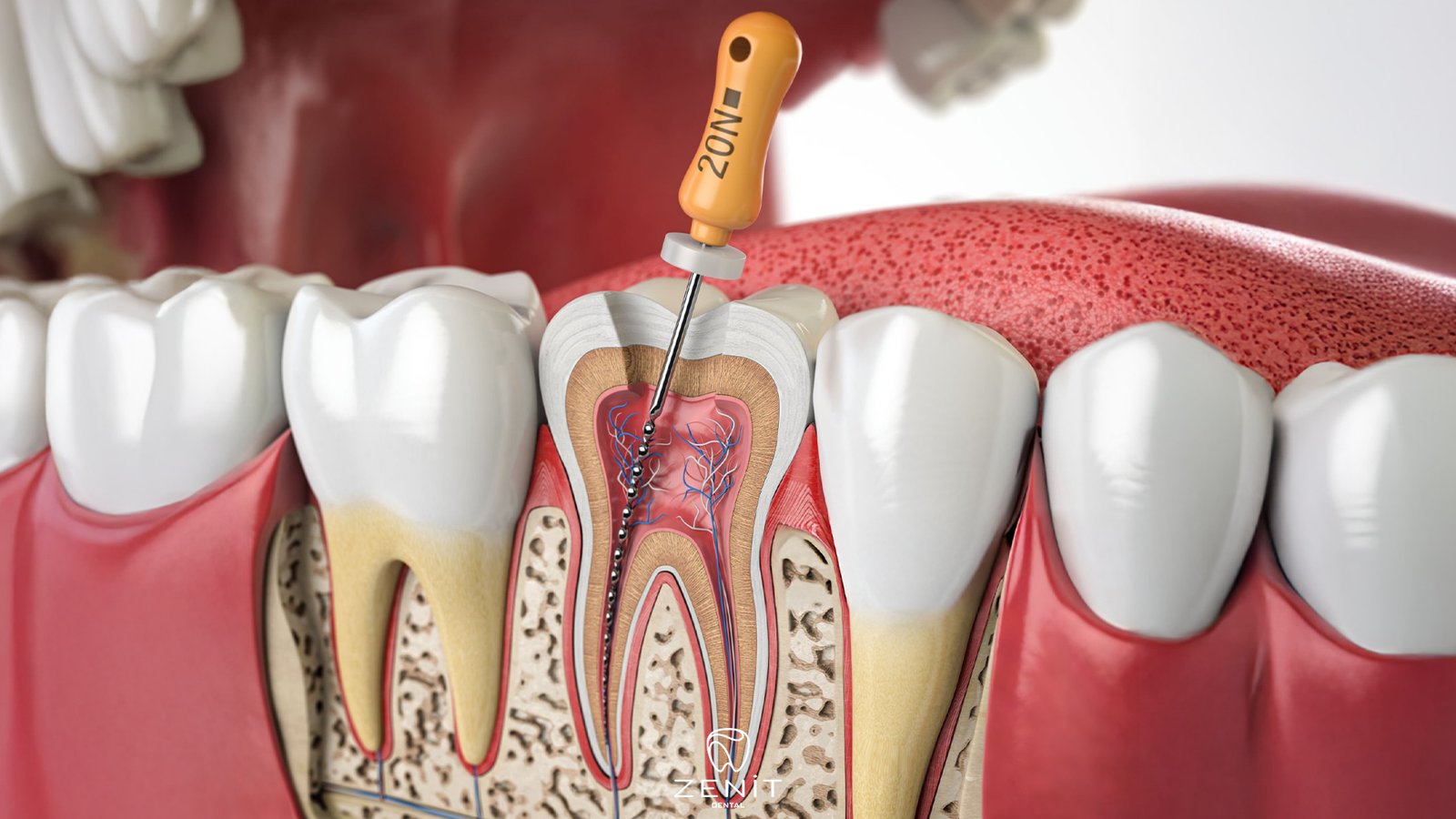
Retreatment can be simply translated as “retreatment.” In dentistry, however, it specifically refers to the process of treating a tooth that has already undergone a root canal again. In other words, if your tooth has had a root canal and the treatment hasn’t been fully effective over time, your dentist steps in to treat the tooth once more.
It’s easier to understand with an everyday example: Imagine you painted your house, and a few years later, cracks or peeling appear on the walls. You grab a brush, fix the cracks, and refresh the surface. Retreatment is a lot like that. From the outside, your tooth may still look fine, but underlying issues can resurface over time, and the dentist addresses these problems, updating the previous treatment.
Although the term retreatment may sound a bit intimidating, it’s actually a very effective way to extend the life of your tooth and prevent more serious problems. The goal is to save the tooth, relieve pain and infection, and maintain your chewing function and smile. In short, retreatment gives your tooth a second chance; with the dentist’s careful touch, old problems are resolved, and your tooth is healthy again.
When is Retreatment Needed?
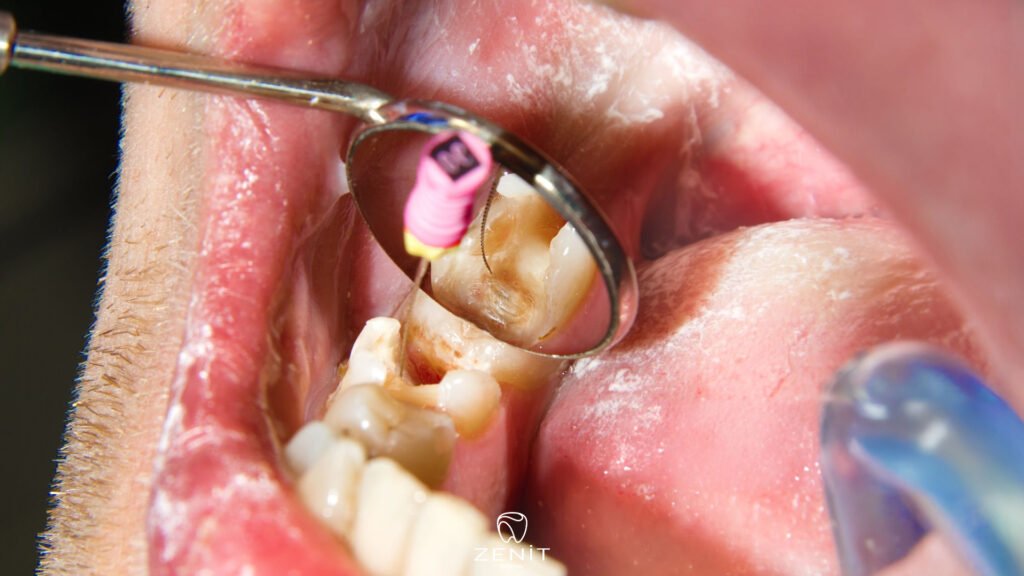
Every tooth is different, and root canal treatments don’t always succeed in the long term in the same way. That’s why retreatment, or “retreatment,” may become necessary in some cases. So, when might your tooth need a second chance? Let’s take a closer look together:
Persistent Pain or Sensitivity
After a root canal, the tooth is normally pain free. But sometimes things don’t go as planned. If your tooth still feels sore, sensitive, or you feel pressure when chewing, it may indicate that the previous treatment wasn’t fully successful. In such cases, retreatment addresses the problem and helps relieve discomfort.
Recurrent Infection
During a root canal, the nerve and infected tissues inside the tooth are cleaned and sealed with a filling. However, infection can sometimes return over time. When this happens, retreatment is necessary to protect your tooth. In a way, your dentist intervenes when the “problem reappears.”
Problems with Filling or Crown After Treatment
The filling or crown used to cover the treated tooth may loosen, crack, or fail to fit properly over time. This can be another reason for retreatment. Keeping the tooth strong and protected is key to ensuring the treatment lasts.
X ray Findings
Sometimes, you may not feel any pain, but routine X rays reveal signs of infection at the root tip. In this case, your tooth is quietly warning you, and retreatment can solve the problem before it gets worse.
How is Retreatment Done?
Retreatment, or retreating a tooth, can be thought of as reviewing a previous root canal treatment. The process begins with the dentist carefully removing old fillings or sealing materials. This step is very important to prepare the tooth for cleaning and ensure any infection is fully addressed. During this step, the tooth is readied for shaping and retreatment.
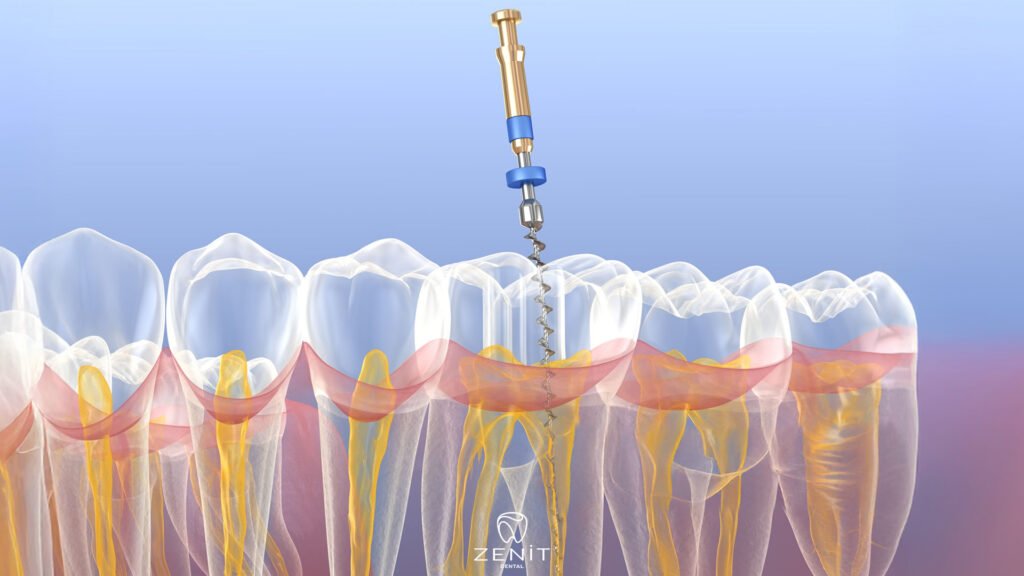
Next, the canals inside the tooth are thoroughly cleaned. The goal here is to completely remove any remaining infected tissue from the previous treatment. Sometimes infections aren’t visible to the eye but can silently progress inside the tooth. That’s why deep cleaning of the canals is the most critical part of retreatment.
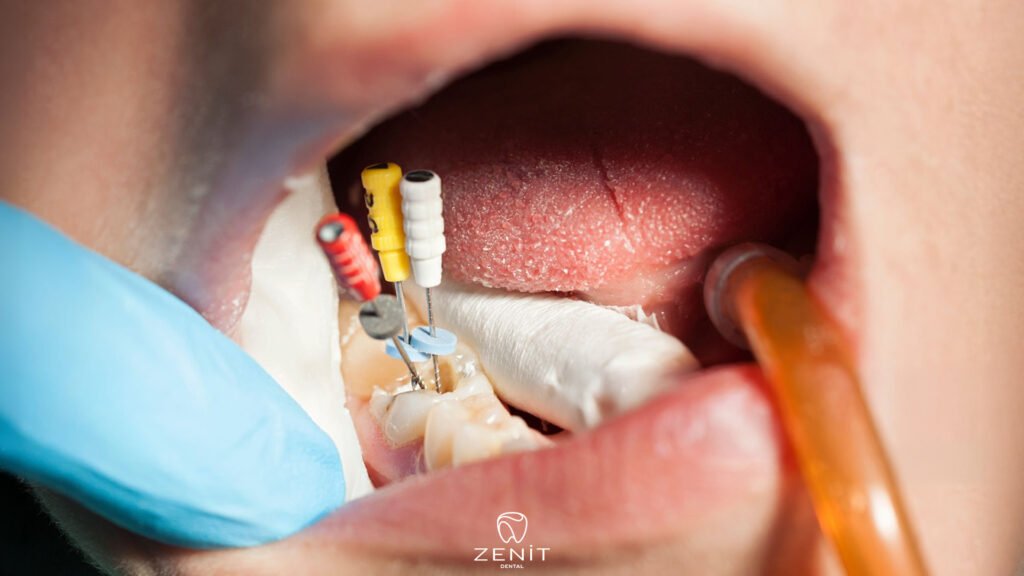
After cleaning, the canals are reshaped and filled with a sterile filling material. This filling protects the tooth from future infections and ensures long term durability. Once filled, the tooth is restored with a filling or crown to regain its shape and function properly while chewing.
The Benefits of Retreatment
The biggest advantage is that it saves your tooth instead of extracting it. Your natural tooth is always more valuable than an artificial one, and preserving it whenever possible is the best choice. Retreatment helps your tooth regain health and provides a long lasting solution.
Another major benefit is that pain and discomfort are significantly reduced. Once the old infection is cleared, sensitivity and discomfort during chewing usually disappear. Retreatment protects both your tooth and your daily comfort.
Additionally, retreatment supports the health of the tooth root and surrounding bone. This way, your tooth is protected not just in the short term but also in the long term. As long as your natural tooth remains strong, your jaw structure and overall oral health are better maintained.
Risks and Considerations of Retreatment
Like any treatment, retreatment carries some risks; knowing them helps you prepare for the process. Very rarely, the tooth root may not fully heal after the procedure. This doesn’t mean the tooth will be lost entirely, but sometimes additional procedures may be needed.
Also, especially if the original root canal was done a long time ago and the tooth structure is weak, there is a risk of the tooth breaking during the procedure. For this reason, the dentist carefully evaluates the tooth before starting and proceeds in the safest way possible.
Furthermore, retreatment can take a bit longer than a standard root canal because removing the old filling, cleaning the canals, and placing a sterile filling takes time. Being patient and not rushing the process is important both for the success of the treatment and the health of your tooth.
Aftercare for Retreatment
Once completed, protecting your tooth isn’t actually that difficult. A few small but effective habits can help maintain your tooth’s health for a long time. First and foremost, pay attention to oral hygiene. Brushing regularly and using dental floss greatly reduce the risk of infection returning.
Additionally, keeping up with regular dental check ups makes a big difference. After retreatment, your dentist monitors your tooth and can detect any issues before they become serious.
Pay attention to pain and sensitivity as well. Mild sensitivity and short term discomfort are normal, but if you experience prolonged or severe pain, contact your dentist immediately. This ensures that minor issues are addressed before they become bigger problems, keeping your tooth healthy and secure.
Comments are closed