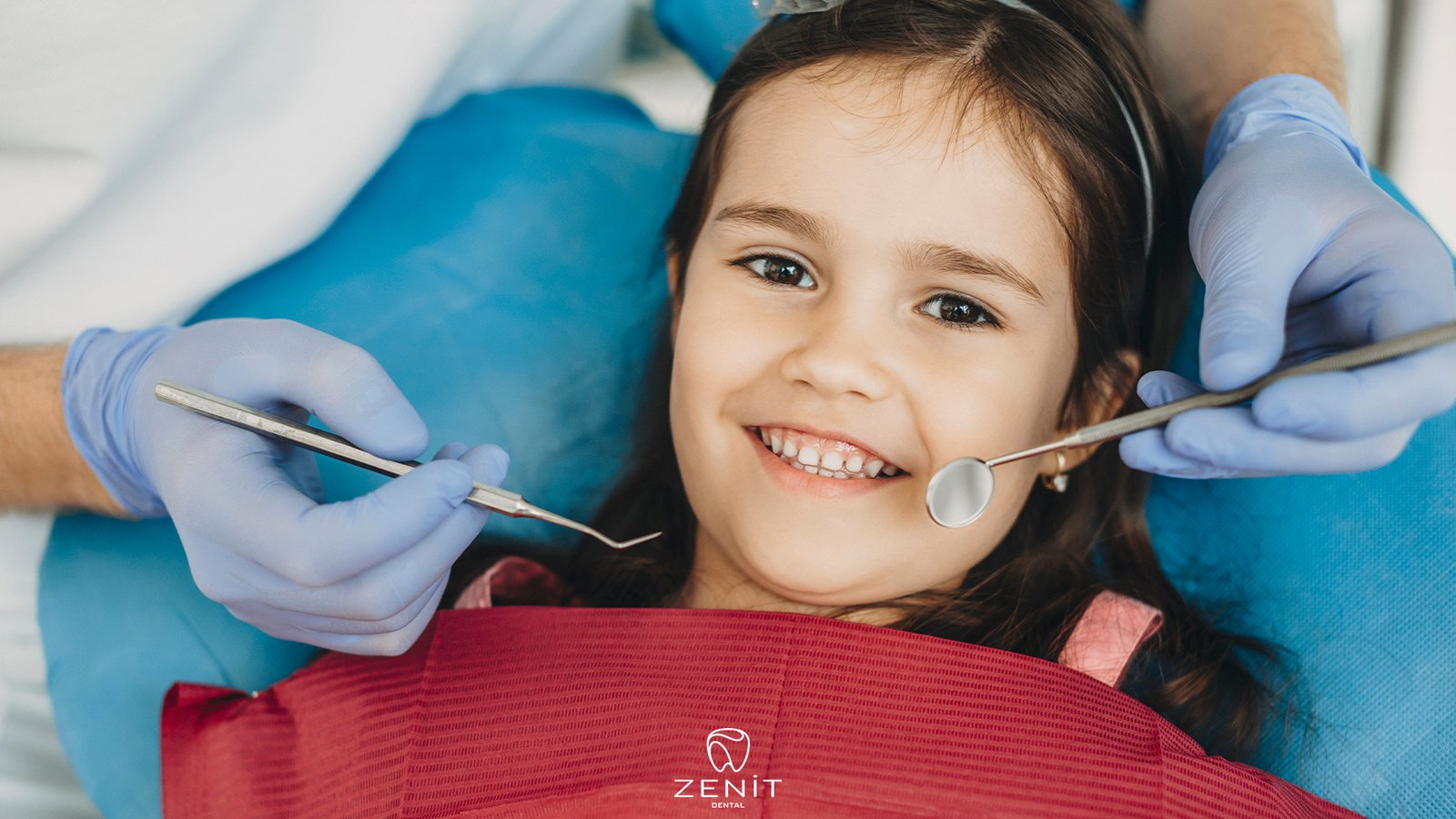
Pedodontics

Pedodonti

Pedodonti

Çocukluk çağında edinilen kötü tecrübeler, bireyin tüm hayatını etkiler. Kötü tecrübelerden biri olarak gelişen dişçi korkusu da çocukluk çağında gelişen ve sıklıkla rastlanan bir durumdur. Bu durumun yaşanmaması adına çocukların diş sorunlarında uzman bir pedodonti tarafından desteklenmesi en doğru yaklaşımdır. Çocuklara özel diş koruyucu ve tedavi hizmetleri veren bu diş hekimleri, özellikle bu yaş grubu ile sağlıklı iletişim konusunda profesyoneldir. Bir çocuğun ruhsal ve fiziksel gelişimine uyumlu şekilde hizmet verirken, böylelikle erken dönemde diş sorunlarını çözer.

Pedodonti Nedir?

Çocuk diş hekimliği olan pedodonti aynı zamanda ‘pediatrik diş hekimliği’ olarak da geçer. Latince bir kelimeden dilimize geçen bu kavram, çocuk dişleri anlamına gelmektedir. 0-13 yaş aralığındaki kişilerin sağlıklı olarak korunmasına yönelik tedaviler yürütür. Ayrıca kalıtımsal, travma ve çürük gibi etkenlerle oluşan diş sorunlarını tedavi eder. Bebeklik çağından başlayarak ağız ve diş ile çene-yüz bölgesi gelişimlerini takip eder. Olası sorunlarda erken dönemde tedaviye başlar. Bu diş hekimleri çocuklarla sağlıklı iletişim kurmaya yönelik özel eğitimler alır. Bu sayede dişçi korkusu yaşatmadan koruyucu ve iyileştirici diş tedavilerini uygular. İlk öncelikli amaçları ise çocuklarda diş sorunlarının engellenmesine yönelik önlemler almaktır. Böylelikle çocukları çürüksüz bir geleceğe hazırlamaktadırlar. Rutin kontroller esnasında tespit edilen diş ve ağız sorunlarının erken döneminde tedavisini yaparak, sorunu büyümeden çözerler. Çocukların aynı zamanda doğru diş bakımını konusunda bilinçlenmelerini de sağlar. Pedodonti ayrıca bebeklik ve çocukluk döneminde gelişen tırnak yeme ve parmak emme gibi kötü ağız alışkanlıklarının bırakılmasına yönelik tedaviler de sunar. Bunun yanında en hareketli dönem olan çocukluk döneminde dental travmalar sonrası gelişen diş sorunlarına çözüm üretir. Aldığı eğitim ile şayet travmadan kaynaklı diş kaybı varsa, en uygun yolu gösterir. Özetle bu bilim dalı multidisipliner bir yaklaşımla, bu çağlarda diş ve ağız sağlığı konusunda profesyonel bir diş hekimliği verir.

Why is Pedodontics Important?

Pediatric dentists help children enjoy oral and dental care thanks to the strong communication they have with them. They closely monitor both the physical and mental development of children, helping them get used to the dentist. Because they are knowledgeable, they can easily identify teething problems. They can also detect orthodontic problems early and refer children to an orthodontist. In addition, they apply treatment to stop habits such as nail biting and thumb sucking. Pedodontics prepares the ground for healthy permanent teeth by applying protective treatments to primary and permanent teeth from the teething period in infancy. When fixed teeth erupt, early intervention is possible in case of malocclusion. This ensures that the teeth that children, who will become adults in the future, will carry in their mouths throughout their lives are properly protected. Furthermore, it provides educational support on the quality care products and correct techniques that children should use for dental cleaning and care. Pediatric dentists also treat teeth damaged by blows to the mouth area as a result of falls, which are common in childhood. They guide families on what to do in cases where teeth are completely dislodged from the jawbone. In such a situation, the most appropriate approach is to rinse the dislodged tooth under low-pressure water without touching the root and to consult a pediatric dentist as soon as possible.

Who is a Pedodontist and What Does He Do?

Dentists who graduate from 5-year dental schools become pediatric dentists if they receive specialization or medical training within the pedodontics department. These pediatric dentists, also known as Pedodontists, primarily aim to prevent dental problems in children. What exactly are the duties of these dentists?
  • Preventing the development of dental phobia in children.
  • Providing necessary treatments and follow-up after dental trauma in children.
  • Performing extractions and prosthetics of primary teeth when necessary.
  • Applying treatment to stop bad oral habits such as nail biting and thumb sucking.
  • Performing preventive orthodontic procedures.
  • Checking and monitoring whether children’s dental and jaw development is progressing regularly.
  • Performing endodontic and restorative treatments of primary and permanent teeth.
  • Performing preventive dental applications to prevent cavities.
  • Developing and regulating nutritional habits necessary for children’s dental health.
  • Ensuring that children and families are informed about oral and dental health.
  • Identifying the child’s specific caries risk group.
  • Special attention and to perform dental treatments on children that require attention, under anesthesia if necessary. Pedodontists, who treat children’s dental problems in a way that will interest and please them, are generally liked by children. In this way, children develop healthy oral and dental care habits.

What Treatments Do Pedodontists Perform?

Pedodontics, the branch of dentistry that provides effective solutions for the dental health of children aged 0-13, has developed significantly, especially in the last ten years. In previous periods, baby teeth were not given much importance because it was thought that they were not permanent. No treatment was sought for the cavities and deformities that occurred. Today, however, with the understanding of the importance of pediatric dentists, children whose teeth have started to erupt are routinely taken to pediatric dentists. While many dentists perform many different procedures according to need, the most common of these procedures are:
  • Tooth extraction
  • Space maintainers
  • Fillings in primary and permanent teeth
  • Endodontic treatments such as root canal treatment
  • Treatment of dental traumas
  • Tooth protective applications such as fissure sealants, fluoride varnish, and fluoride gel
  • Pediatric dental prostheses
  • Treatments to break bad oral habits
  • Treatment of periodontal diseases and lesions associated with systemic diseases
Every individual has different ways of coping with problems and reacting differently during childhood and adolescence. A child who has never been to the dentist usually develops fears through their family’s descriptions. Beyond that, they learn by witnessing friends, other family members, and relatives sharing their experiences with each other. This can lead to prejudice, such as a fear of dentists. However, in cases of dental problems in children, early consultation with a pediatric dentist allows for early resolution using the methods mentioned above.

When Should the First Petodontist Visit?

Baby teeth, which begin to erupt in children at 6 months, can take up to 5 years of age. In some cases, the first tooth may even erupt earlier than 6 months. It is recommended that babies be taken for their first dental check-up when they reach 1 year of age. However, according to the American Academy of Pediatric Dentistry and the WHO (World Health Organization), this first dental check-up should ideally be done between 6 months and 1 year of age. The baby’s first encounter with pedodontics begins with the first examination. During this process, the specialist provides the family with information about their baby’s oral and dental health. By providing information about normal and abnormal processes, they enable the family to detect potential dental problems early on. The pediatric dentist educates families about the importance of oral hygiene for protecting their baby’s teeth. They also check the baby’s erupting teeth to assess whether they are developing normally. In some children, baby teeth begin to decay very early. This can be due to genetic factors, dietary habits, or inadequate dental care. Additionally, in some cases, cavities can develop due to habits such as thumb sucking, bottle chewing, pacifier use, and nail biting, which negatively affect teeth. Pedodontics assists the family and child in all these matters and initiates the necessary treatments.