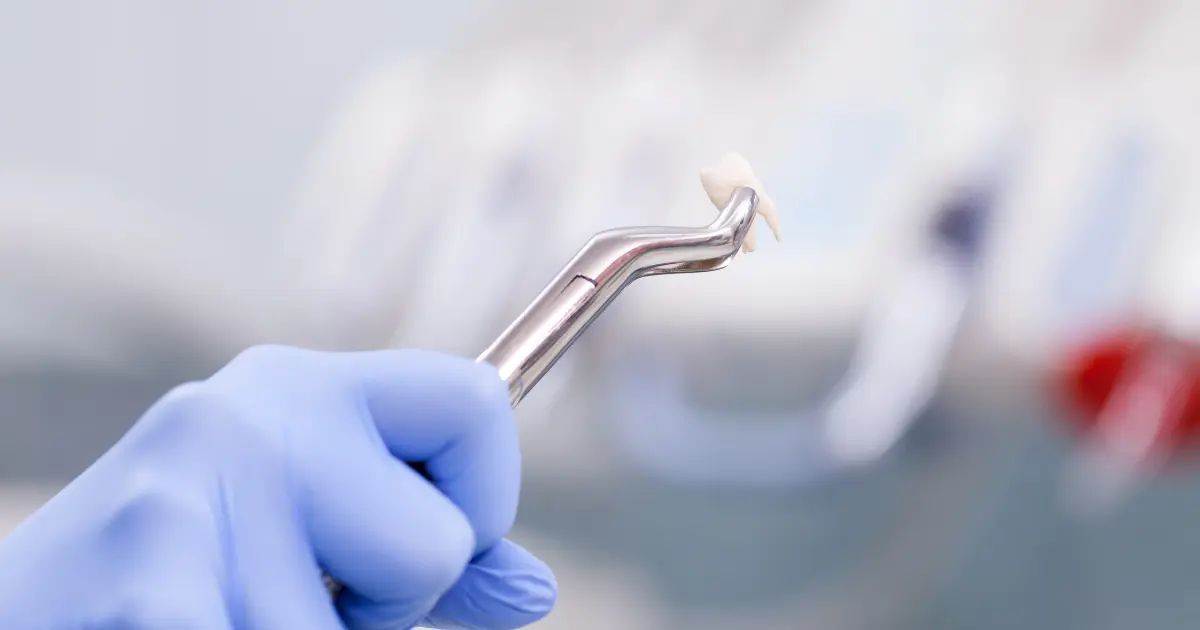
What is Tooth Shaping
Kozmetik tooth reshaping involves removing a small amount of enamel to change the shape of your tooth or teeth. Cosmetic contouring aims to improve your appearance by adjusting the size, shape, or overall look of your teeth.
To do this, a dental professional carefully removes enamel from your teeth, often using advanced tools such as lasers. This treatment is always limited by your unique tooth structure to avoid putting your tooth at risk or causing potential damage. Enamel is the strong outer layer that protects the sensitive inner part of your teeth, so it’s treated with great care.
What Is Tooth Reshaping?
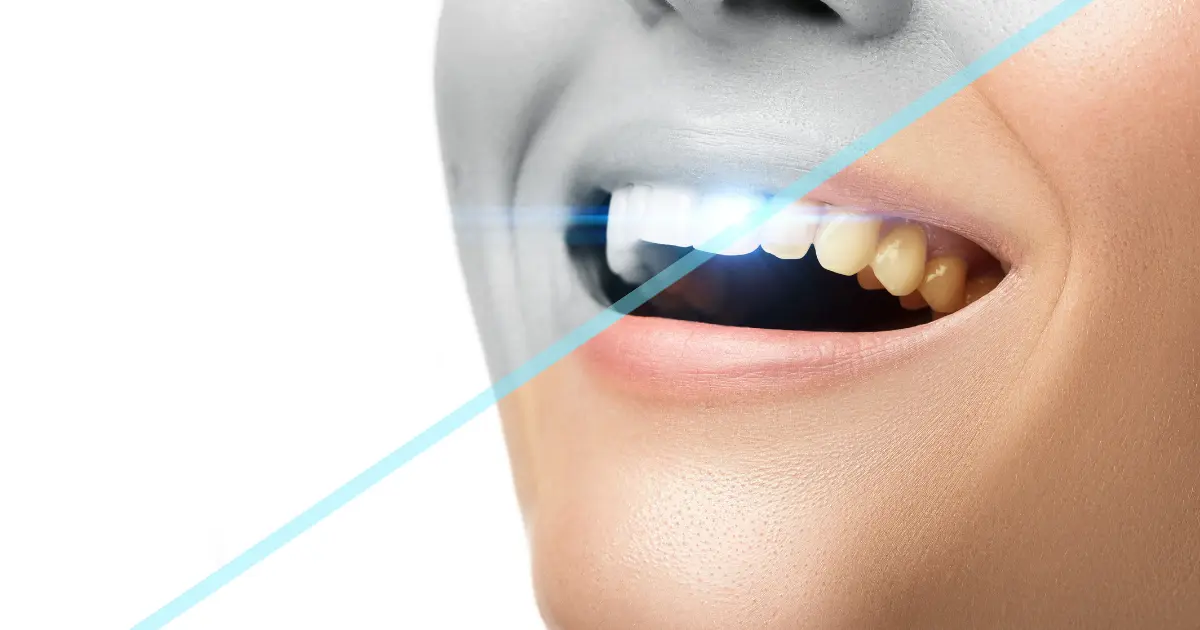
As the name suggests, tooth reshaping involves modifying the teeth. In dentistry, procedures such as contouring, veneers, and implants are commonly used to improve the appearance of teeth.
To enhance the surface, shape, or length of a tooth, a small amount of enamel may be gently removed. Many people have chipped, slightly broken, or mildly misaligned teeth that affect their smile. Contouring is often used to correct these minor imperfections.
If you’d like to fix small flaws in your smile, tooth reshaping can be a wonderful option. It can also help with minor overlapping, crowding, or differences in tooth size and shape. Even though these issues may seem small, they can grow into bigger concerns over time if left untreated.
Misshapen teeth can sometimes cause cuts on the palate, soft tissue irritation, or create areas where bacteria can build up due to irregular surfaces.
Teeth and gums that are difficult to clean because of shape irregularities may also become more prone to decay.
The good news is that you can address these concerns with tooth reshaping, a non-invasive technique that not only supports your oral health but also enhances your smile. Even better, contouring usually doesn’t require spending long hours in the dental chair.
It’s important to learn about tooth reshaping not only for cosmetic reasons, but also for the overall health and well-being of your smile.
How Are Teeth Reshaped?
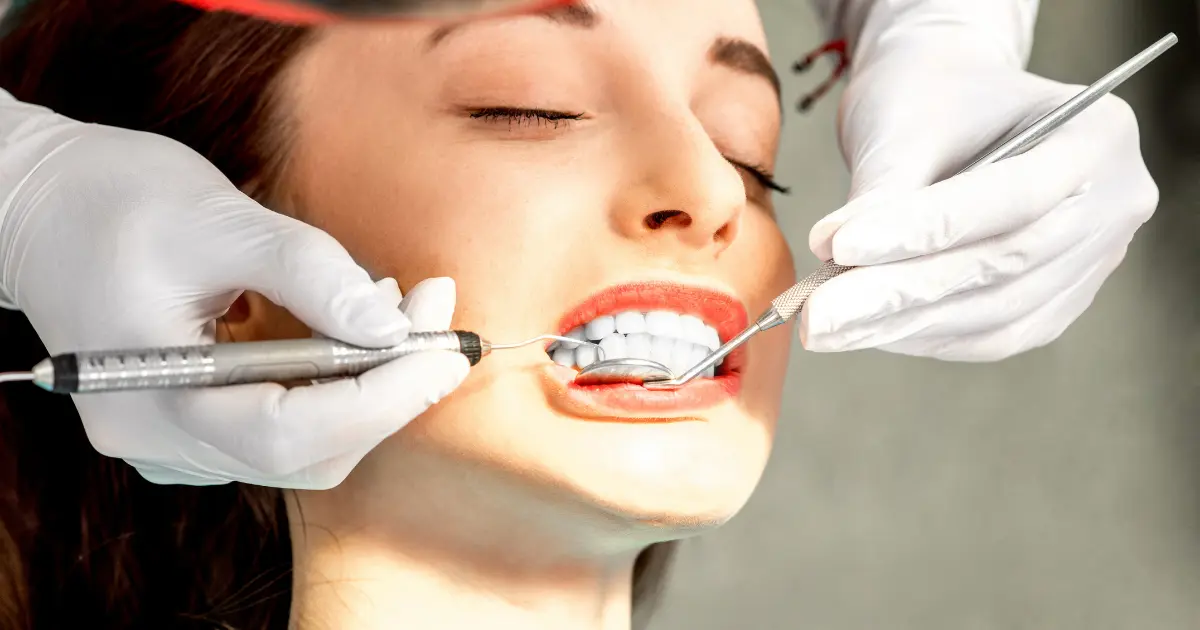
Tooth reshaping is ideal for minor cosmetic concerns, such as slightly uneven or overly long teeth. One important consideration is that since the procedure slightly thins the enamel, you may experience increased sensitivity to hot and cold afterward. For this reason, it’s important to protect your teeth from abrasive products and brush gently to preserve the remaining enamel.
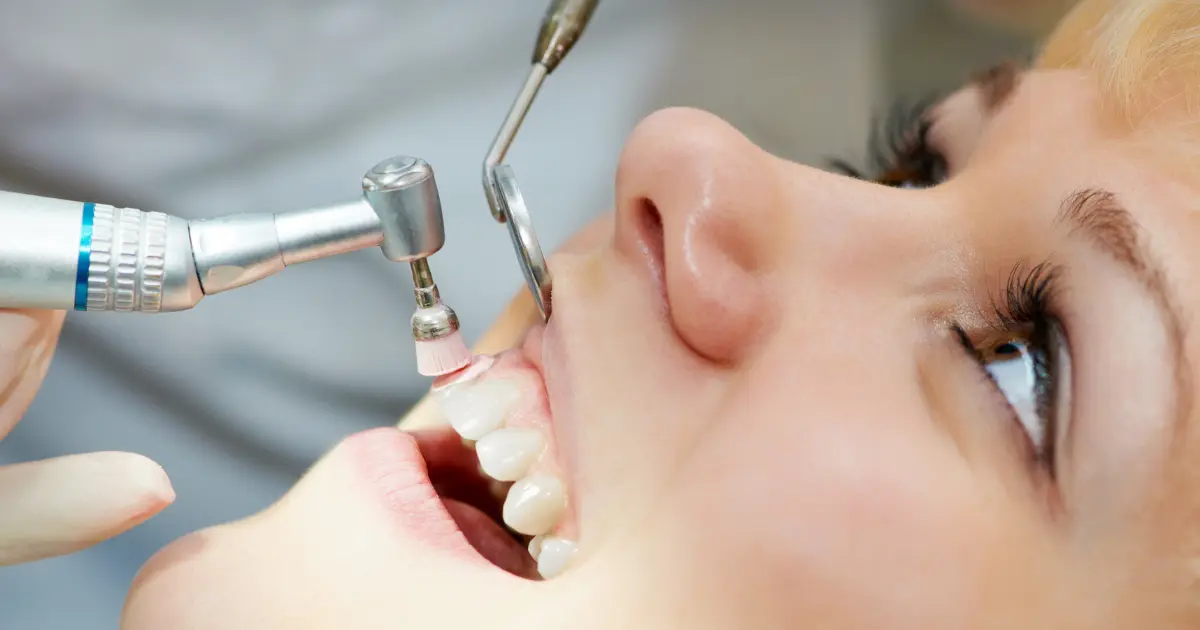
Once the reshaping is complete, your teeth are polished to achieve a natural-looking shine. This technique is one of the least invasive cosmetic dental procedures and can deliver beautiful results. It’s also among the quickest ways to subtly improve and refine your smile.
Who Performs Tooth Reshaping?

The tooth reshaping procedure is sometimes misunderstood. Patients often ask their dentist to reduce the size of a tooth so that it matches the others more harmoniously. Requests like these may increase when a new popular TV series airs and viewers notice aesthetic dental treatments on leading actors. At other times, reshaping may be requested to correct an overly filled tooth or to achieve a smile similar to someone seen on screen.
Fortunately, your dentist is the best person to determine whether cosmetic contouring is right for you. After a detailed examination and evaluation of any existing fillings or dental work, your dental professional will guide you honestly and help decide whether the procedure is necessary and suitable for your needs.
How Much Does Tooth Reshaping Cost?
The cost of tooth reshaping or recontouring can vary. Having chipped, broken, or misaligned teeth may affect your confidence, but undergoing unnecessary procedures can also be costly. In some cases, composite or porcelain veneers may be a healthier and more suitable option for both your dental health and appearance.
That said, tooth reshaping can sometimes be a more affordable solution. Choosing reliable techniques—such as ultra-thin veneers that require little to no preparation—may also make better financial sense in certain situations. Your dentist may alternatively recommend aesthetic braces or veneers depending on your specific case.
Tooth reshaping is most often performed without the need for surgery. However, if the shape issue is related to root problems, surgical intervention may be required.
- In cases that require surgery, the underlying cause must first be identified.
- The issue may be due to genetic factors,
- Jaw structure,
- Or one or more teeth positioned incorrectly.
- After identifying the root cause, the decision for surgical intervention should be made by a qualified specialist.

Comments are closed