


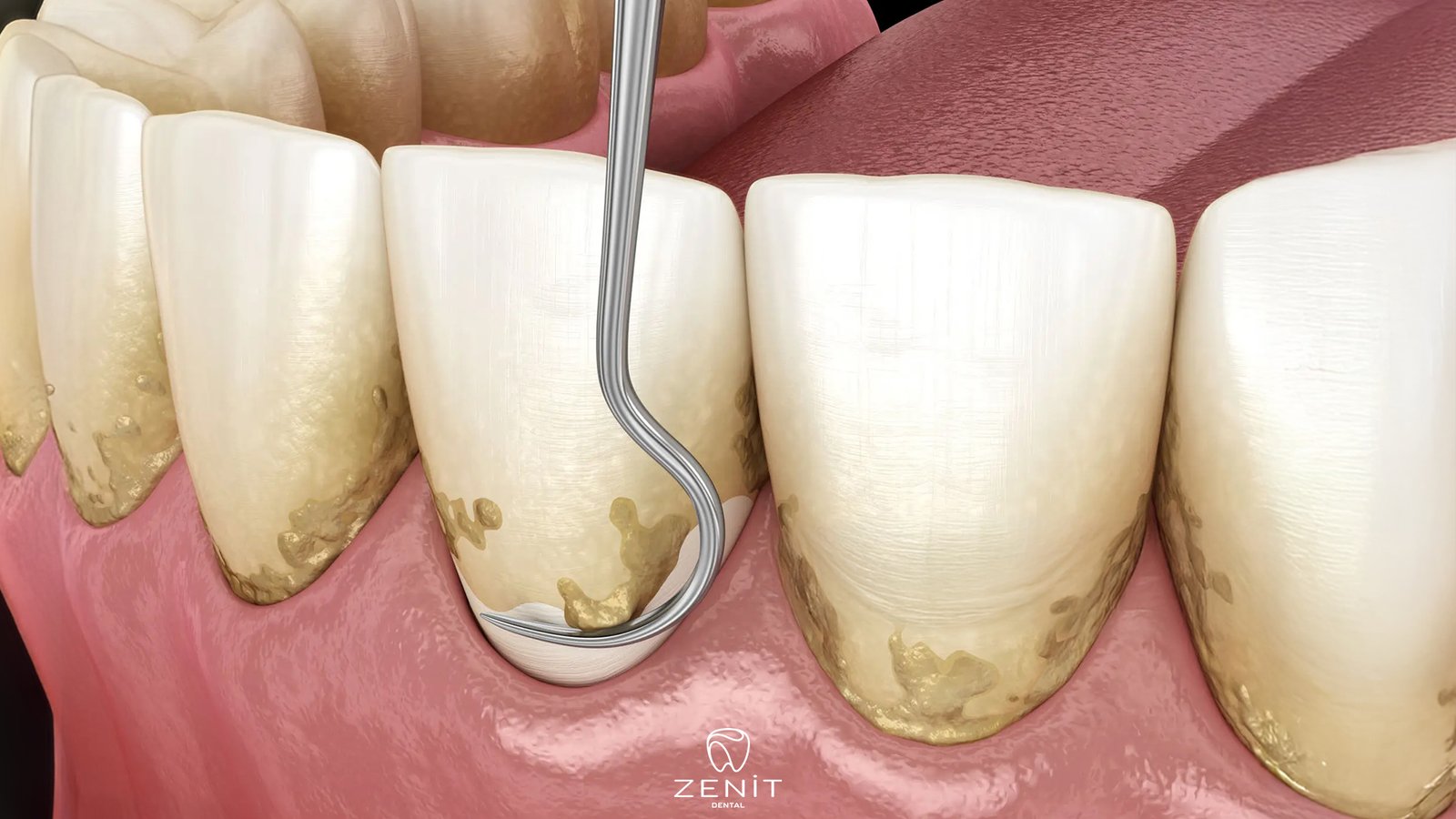
What Happens If Tartar Is Not Removed?
Even if we brush our teeth regularly and pay extra attention to our oral hygiene from time to time, it is not always possible to completely prevent plaque buildup in certain areas. Over time, this plaque hardens and turns into tartar, gradually accumulating on the teeth without many people even noticing it. At first glance, it may seem like a minor issue that only affects appearance, but tartar is actually an important problem that can silently threaten your oral health.
Many people think of tartar as nothing more than yellow or brown stains on the teeth. Because of this, they may postpone having it removed or assume it is not necessary. However, tartar does much more than affect the appearance of your smile. It can harm your gums, contribute to bad breath, and create the perfect environment for more serious oral health problems to develop over time.
What makes tartar even more concerning is that it often progresses without causing pain. While you go about your daily life, these hardened deposits along the gumline can slowly begin to irritate your gums. In the long run, this may lead to gum recession, bleeding, and even tooth loss if left untreated.
For this reason, tartar should never be seen as merely a cosmetic concern. Regular dental checkups and professional tartar removal play a vital role in maintaining a healthy smile and preventing more serious problems in the future.
What Is Tartar?
Throughout the day, the foods and drinks we consume naturally leave behind small residues inside the mouth. At the same time, the bacteria that naturally live in our mouths combine with these residues to form a sticky, nearly invisible layer on the teeth. This layer is known as dental plaque. With regular brushing and flossing, most plaque can be easily removed.
However, when oral hygiene is not maintained consistently or certain areas are missed during brushing, plaque continues to accumulate on the tooth surfaces. Over time, minerals found in saliva settle into the plaque and cause it to harden. This is when tartar begins to form.
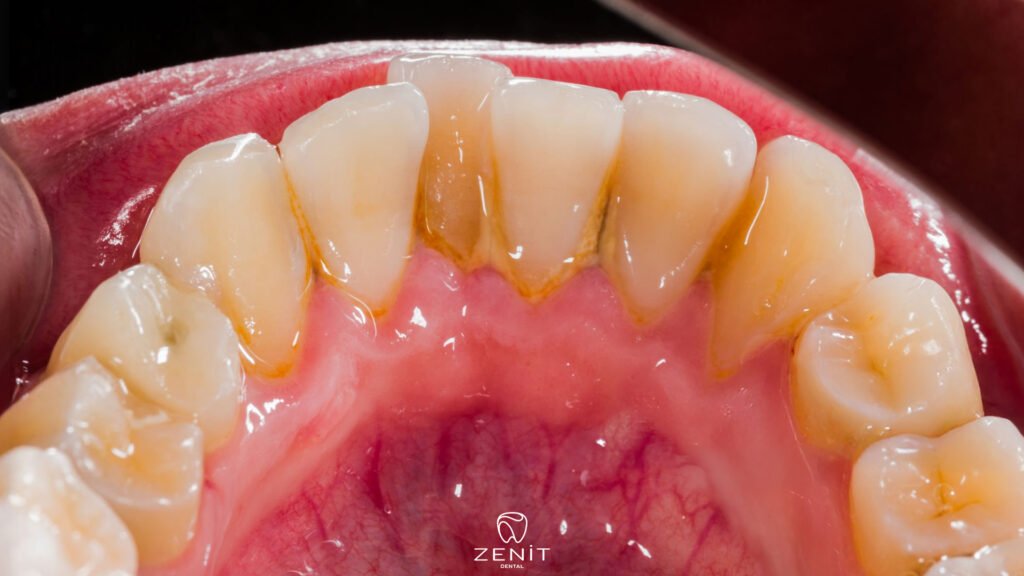
Once tartar forms, it becomes a hardened deposit that cannot be removed with regular brushing alone. This is why professional dental cleaning is necessary. While many people view tartar as an aesthetic issue, it is actually a significant oral health concern.
Tartar most commonly develops on the inner surfaces of the lower front teeth and the outer surfaces of the upper back teeth. This is mainly because these areas are closer to the salivary glands. Since saliva contains minerals, tartar can build up more quickly in these regions.
Although it may be difficult to notice in the beginning, tartar can eventually create a rough texture on the teeth, making it easier for bacteria to cling to the surface and negatively affect oral health.
What Happens If Tartar Is Not Removed?
Bad Breath May Develop
Bad breath is a common issue that can affect daily life and often leaves people wondering about its cause. In some cases, the reason may be hidden in tartar deposits that have gone unnoticed for a long time.
The rough surface of tartar provides an ideal environment for bacteria to thrive. As these bacteria multiply, they produce unpleasant smelling gases that can lead to persistent bad breath. Some people may even notice that their bad breath continues despite brushing regularly.
While stomach related issues are often blamed for bad breath, bacterial buildup inside the mouth is actually one of the most common causes. Tartar that has not been removed for an extended period can contribute significantly to this problem.
This is why many people report that their mouth feels noticeably fresher after a professional tartar cleaning. A procedure that seems simple at first can make a surprisingly positive difference in everyday comfort and confidence.
Gum Recession May Occur
Tartar is not simply a hardened layer sitting on the teeth. Because it remains in constant contact with the gums, it can also affect these delicate tissues over time.
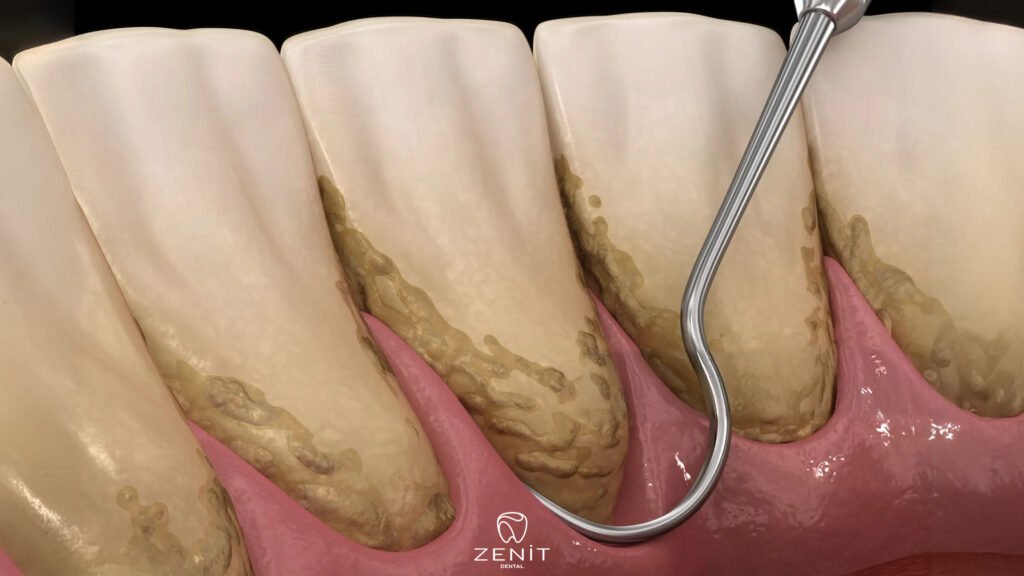
When tartar is left untreated for long periods, it can irritate the gums and gradually damage their healthy structure. As a result, the gums may begin to recede, exposing parts of the tooth roots that would normally remain covered.
This can lead to sensitivity when drinking hot tea, cold water, or eating sweet foods. Many people think their teeth are becoming longer, but what is actually happening is that the gums are pulling back.
As gum recession progresses, it can affect both the appearance of your smile and the natural protection of your teeth. Regular tartar removal is therefore important not only for aesthetics but also for maintaining healthy gums.
It May Lead to Bone Loss
Constantly postponing tartar removal can eventually result in more serious oral health problems. The issue may extend beyond the teeth and gums.
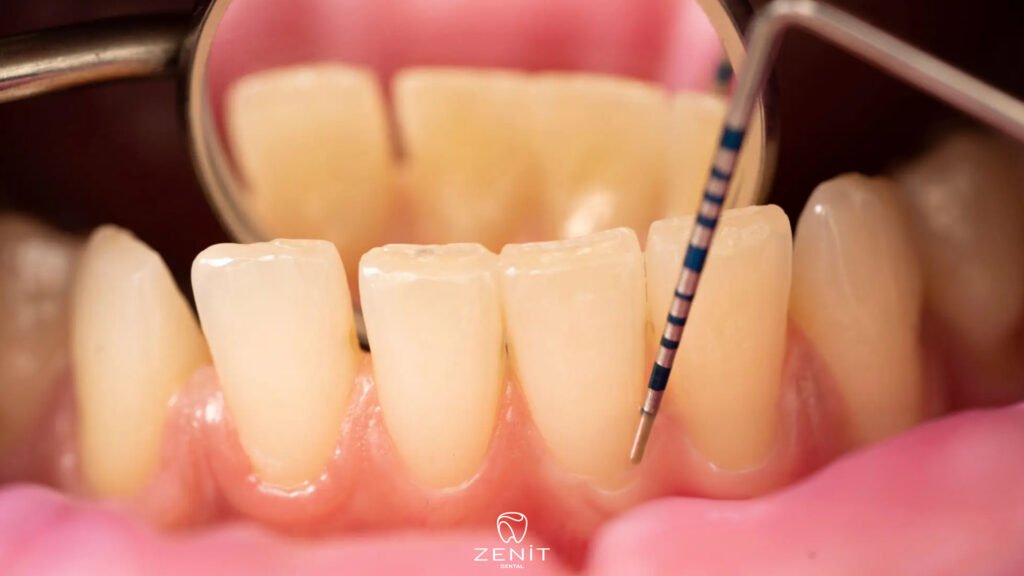
As gum disease progresses, bacteria can reach deeper tissues and begin affecting the bone that supports the teeth. This condition is known as periodontal disease and is a major concern for oral health.
When the supporting bone gradually deteriorates, the stability of the teeth starts to weaken. At first, this process may go unnoticed, but over time it can lead to tooth mobility and, if left untreated, even tooth loss.
Protecting the supporting structures of your teeth is just as important as caring for the teeth themselves. Regular dental visits and professional cleanings help preserve these essential tissues and reduce the risk of irreversible damage.
Your Teeth May Become Loose
Although teeth appear strong and firmly fixed in place, they rely on a healthy support system made up of the gums and jawbone. Long term tartar buildup and the gum disease associated with it can gradually damage these structures.
As bone loss increases, teeth may slowly begin to lose their stability. In the early stages, many people do not notice any changes. Over time, however, some may feel slight movement when chewing or biting into harder foods.
While this may seem insignificant at first, it can be an important warning sign that should not be ignored. As the supporting tissues weaken, tooth mobility may become more noticeable and start affecting daily life.
Taking action before reaching this stage is essential. Early intervention can help preserve your oral health and prevent more serious complications. In advanced untreated cases, tooth loss may eventually occur.
The Appearance of Your Teeth May Be Affected
One of the most noticeable effects of tartar is the change it causes in the appearance of the teeth. Over time, yellow, brown, or dark colored deposits can form on the tooth surfaces, affecting the natural look of your smile.
These discolorations are often more noticeable in people who frequently consume tea, coffee, or tobacco products. Although many individuals try to brush more often to remove them, hardened tartar cannot be eliminated with home care alone.
Some people notice that their teeth no longer look as clean as they once did and may become more self conscious when smiling. This can eventually affect self confidence and overall comfort in social situations.
Professional tartar cleaning often leaves teeth feeling smoother, looking cleaner, and appearing brighter. Alongside better oral health, a cleaner smile can help people feel more confident and comfortable in everyday life.
Is Tartar Removal Harmful?
One of the most common myths about tartar cleaning is that it damages the teeth. In reality, the opposite is true. Professional tartar removal is performed to protect oral health, not harm it.
Some people may experience temporary sensitivity after the procedure. This is not because the teeth have been damaged, but because areas that were previously covered by tartar are now exposed again. In most cases, this sensitivity fades within a short period of time.
The real risk comes from leaving tartar untreated for long periods. Regular cleanings and routine dental checkups help keep both teeth and gums healthier over time.
How Can You Reduce Tartar Formation?
While it may not always be possible to completely prevent tartar buildup, good oral hygiene habits can significantly reduce its formation.
Brushing your teeth twice a day, flossing regularly, and maintaining a consistent oral care routine are among the most effective steps you can take. Regular dental checkups also allow potential issues to be identified before they become more serious.
Drinking enough water and avoiding tobacco products can also contribute to better oral health. These simple habits may seem small, but they can make a meaningful difference in maintaining healthy teeth and gums for years to come.
Comments are closed