


Dental Implants in Turkey
A missing tooth may initially seem like a minor cosmetic issue. Especially if the missing tooth is located at the back of the mouth, many people tend to overlook it because it is not easily visible. Thoughts such as “No one can see it anyway,” “I can manage like this for now,” or “I’ll have it treated later” often lead to delaying treatment. However, over time, a missing tooth can affect not only your appearance but also your oral health and everyday comfort.
When a tooth is lost, the natural balance of the mouth gradually begins to change. The neighboring teeth may start to shift toward the empty space, while the opposing tooth may begin to over-erupt because it no longer has support. As a result, your bite can become uneven. Without realizing it, you may begin chewing on only one side of your mouth, which can eventually cause jaw muscle fatigue, sensitivity, or discomfort.
The jawbone in the area of the missing tooth may also begin to lose volume over time because it is no longer being stimulated. These changes usually occur gradually, so many people may not notice any immediate problems. However, after several years, both the available treatment options and the complexity of the required procedures may change. For this reason, it is important to have missing teeth evaluated by a dentist as early as possible.
Today, there are several treatment options available to replace missing teeth. Although removable dentures and dental bridges remain common solutions, dental implants are one of the most preferred treatments because they provide a result that closely resembles a natural tooth. Dental implants are placed into the jawbone to replace the missing tooth root and provide a stable foundation for the replacement tooth. This allows patients to chew more comfortably and smile with greater confidence.
People researching dental implants in Turkey often have similar questions. How is dental implant treatment performed? Is the procedure painful? How long does the treatment take? Is everyone a suitable candidate for dental implants? Can implants last for many years? What should be considered after the treatment?
What Is Dental Implant Treatment?
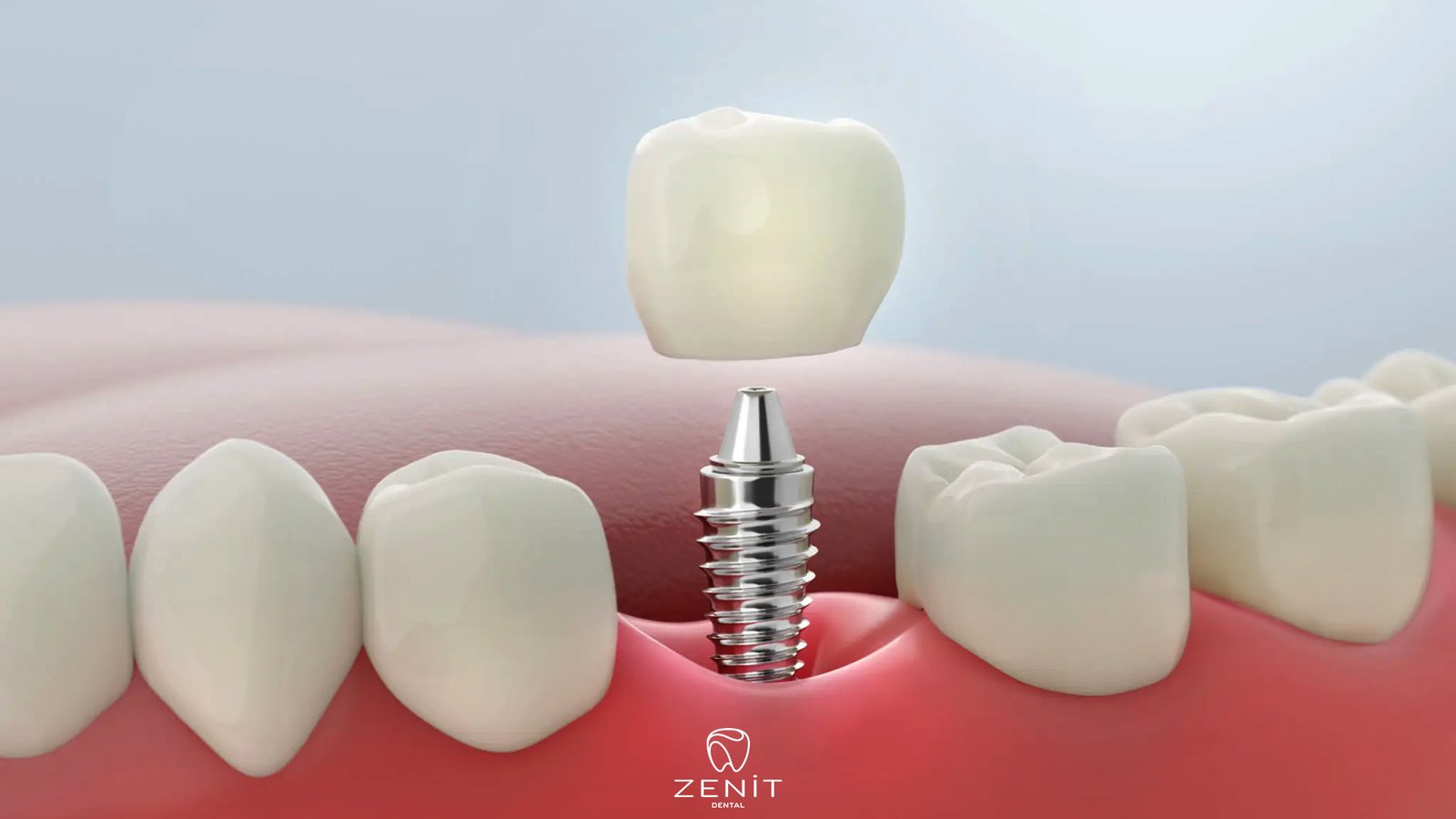
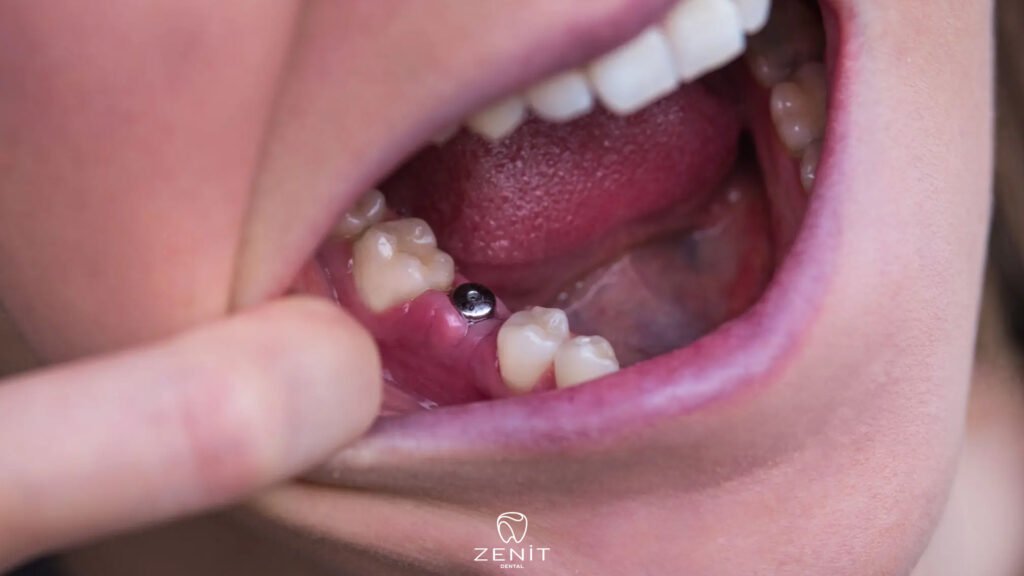
The simplest way to describe dental implant treatment is as a procedure that replaces the root of a missing tooth. A small artificial root, usually made of titanium, is placed into the jawbone where the tooth is missing. Over time, this artificial root integrates with the jawbone and creates a strong foundation for the replacement tooth.
The porcelain or zirconia crown placed on top of the implant is custom-made to match the patient’s facial features, natural tooth color, and oral structure. The goal is not simply to fill the gap but also to restore comfortable chewing, improve speech, and create a natural-looking smile.
When people think of dental implants, they often imagine replacing a single missing tooth. However, implants can be used in many different situations. A single missing tooth can be replaced without affecting the neighboring teeth. Multiple missing teeth can be restored with implant-supported bridges. For patients who have lost all of their teeth, implants can also be used to provide additional support for removable dentures.
In other words, dental implant treatment is not only suitable for patients missing a single tooth but can also be considered for those with more extensive tooth loss. However, one important point should always be remembered: every patient’s oral condition, needs, and treatment process are unique.
A treatment plan that is appropriate for one patient may not be suitable for another. Before treatment, the thickness and height of the jawbone, the health of the gums, the number and location of missing teeth, and other oral conditions must be carefully evaluated. The patient’s age, overall health, medications, smoking habits, and treatment expectations should also be taken into consideration.
Some patients have sufficient jawbone volume for implant placement, while others may require additional procedures such as bone grafting to increase bone support. For this reason, dental implant treatment should not simply be viewed as placing a screw into the jawbone. The most important aspect is creating a personalized treatment plan designed for long-term success.
How Is Dental Implant Treatment Performed?
Dental implant treatment may seem like a long and complicated process at first. However, with proper planning, the procedure is carried out in well-defined stages and under careful control.
The first step is a comprehensive oral examination. The teeth, gums, and the area of the missing tooth are carefully evaluated. Dental X-rays or, when necessary, 3D imaging techniques are used to determine whether the jawbone is suitable for implant placement. The patient’s general health, medications, and medical history are also reviewed during this stage.
Once the treatment plan has been completed, the implant is placed into the jawbone under local anesthesia. Since the treatment area is completely numbed, the goal is for the patient to feel no pain during the procedure. Mild swelling, tenderness, or slight bleeding may occur afterward, but these symptoms are generally manageable by following the dentist’s recommendations.
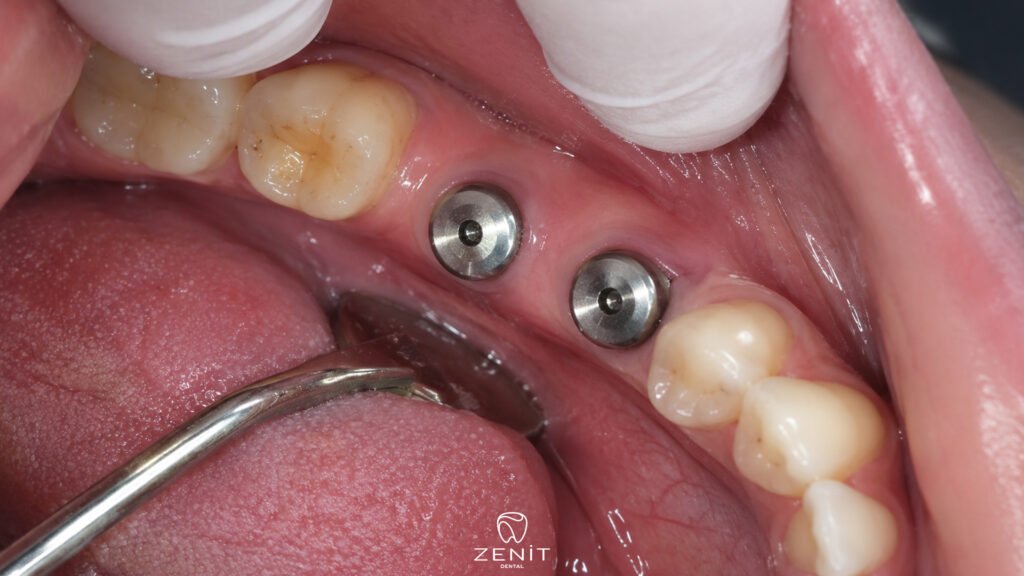
After the implant has been placed, a healing period is required for it to integrate with the jawbone. The length of this process varies from patient to patient depending on bone quality, the implant location, and whether any additional procedures have been performed.
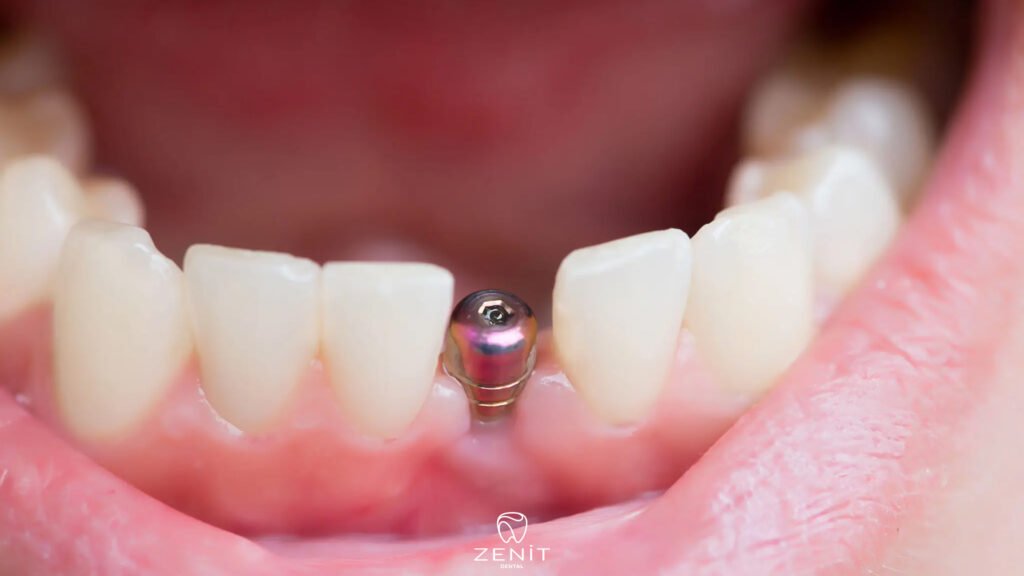
Once the implant has successfully fused with the bone, impressions are taken and a porcelain or zirconia crown is custom-made to match the patient’s natural teeth. The final restoration is then securely attached to the implant, and bite adjustments are completed. The goal is to provide a natural-looking tooth that allows the patient to chew, speak, and smile comfortably.
Is Dental Implant Treatment Painful?
One of the most common concerns among people considering dental implant treatment is whether the procedure is painful. Since the implant is placed into the jawbone, the process may initially sound intimidating. However, because the procedure is usually performed under local anesthesia, patients are generally not expected to feel pain during the treatment.
After the anesthesia wears off, mild soreness, tenderness, or swelling may occur around the treated area. The intensity of these symptoms depends on the number of implants placed, the complexity of the procedure, and the patient’s individual healing response. Most patients experience a comfortable recovery by taking the prescribed medications and carefully following the post-operative instructions.
During the first few days, it is recommended to avoid very hot, hard, or crunchy foods, avoid putting pressure on the treated area, and maintain proper oral hygiene as instructed by the dentist. These measures help reduce discomfort and support healthy healing.
If severe pain, persistent bleeding, increasing swelling, or any unexpected symptoms occur, the patient should contact their dentist without delay.
Dental Implant Costs in Turkey
Dental implant costs in Turkey can vary depending on several factors, including the number of implants required, the implant brand selected, the condition of the jawbone, whether additional procedures such as bone grafting or sinus lift surgery are needed, and the type of crown that will be placed on the implant. Since every patient’s oral health and treatment plan are unique, it is not possible to provide an accurate price without a clinical examination. To receive a personalized treatment plan and detailed information about current dental implant costs in Turkey, you can contact our clinic to schedule a consultation.