What Causes Bleeding Gums and How Can It Be Treated?

  • Home
  • What Causes Bleeding Gums and How Can It Be Treated?

Bleeding Gums: Causes, Stages and Prevention Guide

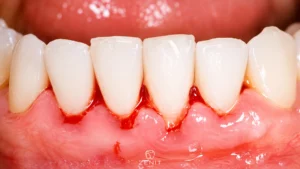
Blood in the sink while you brush your teeth or eat hard foods is one of the most important early warning signs from the tissues in your mouth. Healthy gums are light pink and firm, and they do not bleed during routine brushing. Bleeding gums point to microbial or mechanical irritation and inflammation in the soft-tissue barrier. When the right steps are taken at an early stage, the condition can be brought under control; if it is neglected, it can lead to deeper periodontal tissue loss.

What Are Bleeding Gums and Why Do They Happen?

Bleeding gums occur when the tiny blood vessels in the tissues surrounding the teeth become overly dilated or damaged for various reasons and blood leaks out. The most common underlying cause is bacterial plaque that builds up on tooth surfaces. Food debris that is not removed with daily oral care combines with minerals in saliva, hardens and forms tartar (calculus), which constantly irritates the surrounding tissues.

The main local and systemic factors that can cause bleeding gums are:

  • Poor oral hygiene: Microbial biofilm that builds up in areas that are not brushed or flossed regularly is one of the main causes of gum inflammation.
  • Incorrect brushing habits: Using a hard-bristled toothbrush or pressing too hard can cause mechanical micro-trauma to the gums.
  • Hormonal changes: Changes in hormone levels during pregnancy, puberty or menopause can make the gums more sensitive to bacterial plaque.
  • Systemic health problems: Metabolic conditions that can impair tissue healing, such as diabetes, and clotting disorders can increase the tendency to bleed.
  • Medication and nutritional deficiencies: Blood-thinning medicines and deficiencies in vitamins C and K can increase the tendency to bleed.

Symptoms That Accompany Bleeding Gums

Bleeding rarely appears on its own; depending on how serious the underlying problem is, it may be accompanied by other symptoms:

  • Swollen, noticeably red and shiny gums.
  • Bad breath (halitosis) and a constant metallic or salty taste in the mouth.
  • Tenderness and sensitivity when brushing or chewing.
  • In advanced cases, gum recession and a feeling that the teeth are loose.

Stages of Gum Disease

If inflammation of the gums is not treated in time, it can progress from a relatively simple condition to a more complex periodontal problem:

  • Stage 1 – Gingivitis: The inflammation affects only the superficial soft gum tissue, while the supporting bone remains intact. Bleeding during brushing is one of the clearest signs of this stage. With professional cleaning and proper oral care, the condition can be reversed.
  • Stage 2 – Periodontitis: Untreated inflammation spreads to deeper tissues and the jawbone. Periodontal pockets form, bone loss may begin and bleeding can occur spontaneously.
  • Stage 3 – Advanced tissue loss: Bone support drops to a critical level, tooth roots may become exposed and the risk of tooth loss increases.

Clinical Diagnosis and Professional Treatment

Daily brushing at home cannot remove hardened tartar that is firmly attached to tooth surfaces. During a dental examination, periodontal pockets can be measured to determine how serious the condition is, and a personalised treatment plan can be created:
  • Scaling (tartar removal): Deposits on the teeth and around the gum line are removed using professional ultrasonic instruments.
  • Subgingival curettage (deep cleaning): In deeper periodontal pockets, the aim is to smooth the root surfaces and remove infected tissue and deposits.
  • Advanced periodontal treatments: In advanced cases with bone loss, surgical or regenerative periodontal procedures may be considered, depending on the patient’s individual situation.

Bleeding gums: causes, symptoms and treatment

Daily Oral Care Tips to Prevent Bleeding Gums

  • Use a soft-bristled toothbrush: Choose a medium or soft-bristled toothbrush to avoid unnecessary irritation of the gum tissue.
  • Use the correct brushing technique: Hold the toothbrush at an angle of about 45 degrees to the gum line and use gentle circular and sweeping movements from the gums towards the teeth.
  • Do not skip cleaning between your teeth: Use dental floss or a correctly sized interdental brush every day to clean the contact points that a regular toothbrush cannot reach effectively.
  • Avoid tobacco products: Smoking narrows the blood vessels and can mask the signs of bleeding, allowing gum disease to progress unnoticed.

When Should You See a Dentist?

If bleeding continues for more than 7–10 days despite improving your brushing habits, starts on its own without physical contact, or is accompanied by gum recession and persistent bad breath, you should arrange a dental examination as soon as possible.

Frequently Asked Questions

Should I stop brushing when my gums bleed?

No. Stopping brushing can increase plaque build-up and make gum inflammation worse. Keep up your oral hygiene with a soft-bristled toothbrush and a gentle brushing technique.

Does rinsing with salt water completely stop bleeding gums?

Warm salt water can temporarily soothe swelling and irritation in the tissues, but it cannot remove tartar or clear deeper periodontal inflammation.

Is it normal for my gums to bleed when I floss?

When you first start flossing, there may be light bleeding for the first few days. With regular and correct use, the gums can become healthier and the bleeding should decrease. If it continues, you should consult a dentist.

Why are bleeding gums more common in women?

Changes in hormonal balance can increase the inflammatory response of the gum tissue to dental plaque. This can be especially noticeable during periods such as pregnancy and may require follow-up by a dentist.

Does scaling damage the gums?

No. When performed correctly with professional dental instruments, scaling aims to remove harmful deposits without damaging healthy teeth and gum tissue. It can help create a healthier environment for the gums.

The Importance of Early Diagnosis for Healthy Gums

The foundation of good oral health is a combination of consistent home care and regular professional dental check-ups. If your gums bleed persistently, you can book an appointment with the dental team at Zenit Dental for a personalised periodontal treatment plan that aims to protect your gum health and reduce the risk of further tissue damage. You can find more general information in the NHS guide to gum disease.

Şube Seçiniz

Zenit Dental +90 262 301 01 44 Zenit Dental Çapa +90 262 301 01 45 Zenit Dental Meydan +90 262 301 01 46