


Can an Infected Tooth Be Extracted?
“Can an infected tooth be extracted?” is one of the most common questions asked by people experiencing toothache, especially those who notice swelling in their face or gums. In fact, there is a widely held belief that has been passed down for years: “An infected tooth should never be extracted; antibiotics must be used first.”
However, the situation is not always this straightforward for every patient.
An infected tooth can be extracted in certain situations. In fact, when a tooth cannot be saved, extraction may become part of the treatment in order to eliminate the source of the infection. In other cases, the infection may first need to be evaluated, root canal treatment may be considered, or a different treatment plan may be created if necessary.
Therefore, the most accurate answer to the question “Can an infected tooth be extracted?” is this: Extraction may be possible depending on the condition of the tooth and the infection; however, we can make this decision after a dental examination.
What Is an Infected Tooth?
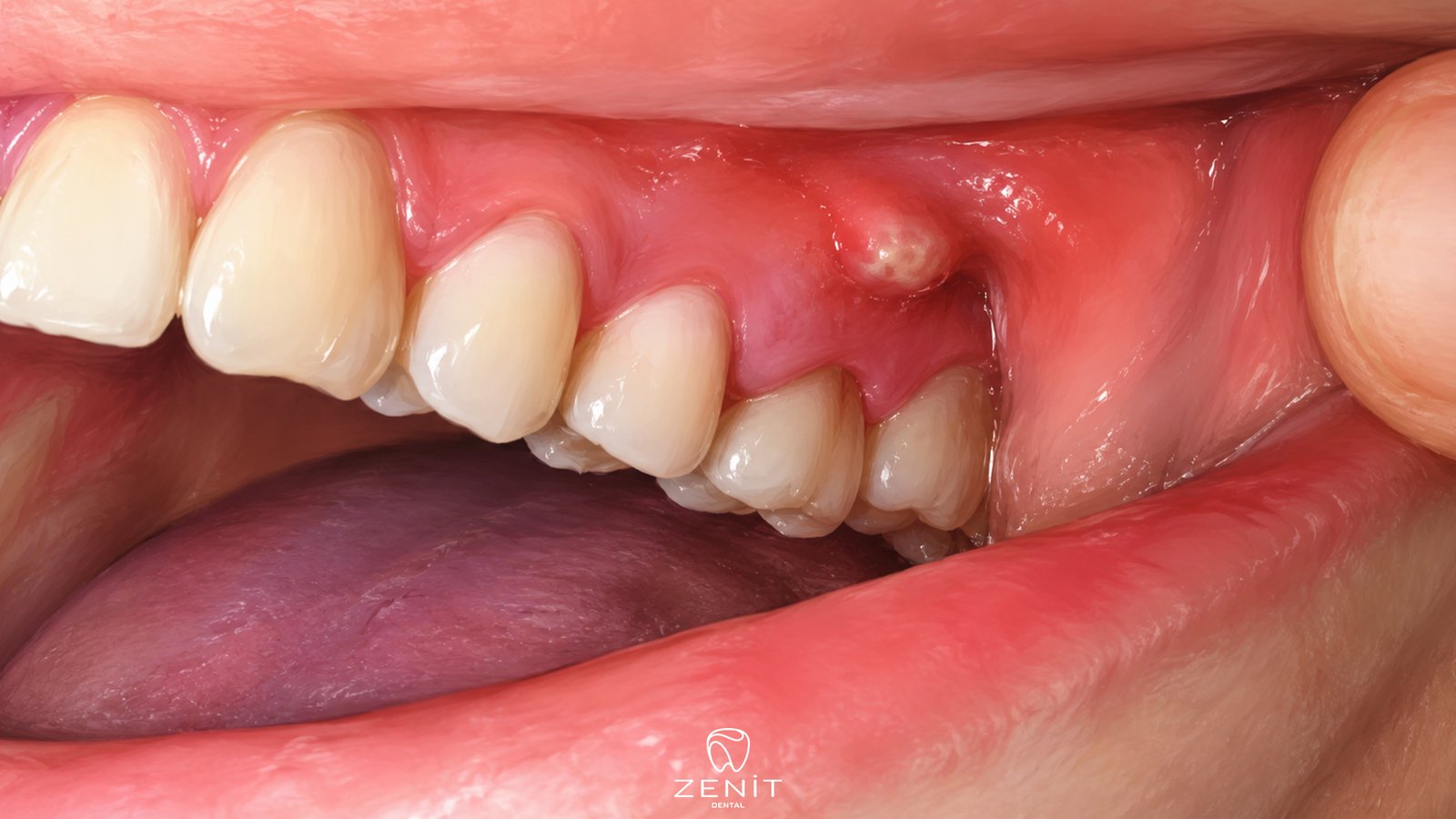
When people refer to an “infected tooth,” they generally mean an infection that develops around the root of the tooth or in the surrounding tissues.
Inside the tooth is a living tissue called the “pulp,” which contains blood vessels and nerves. Deep cavities, cracks or fractures in the tooth, trauma, and certain gum problems can allow bacteria to reach the deeper tissues.
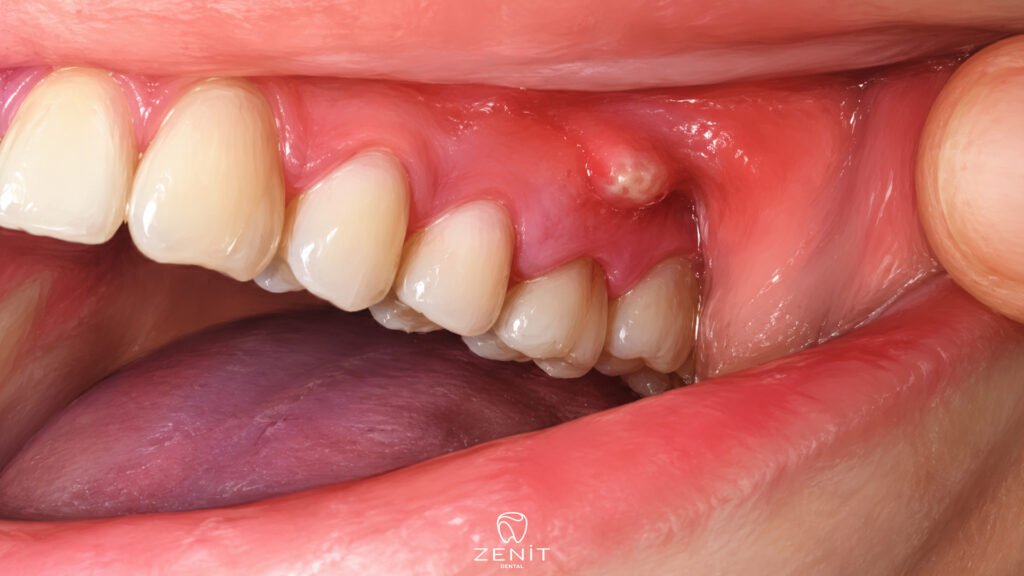
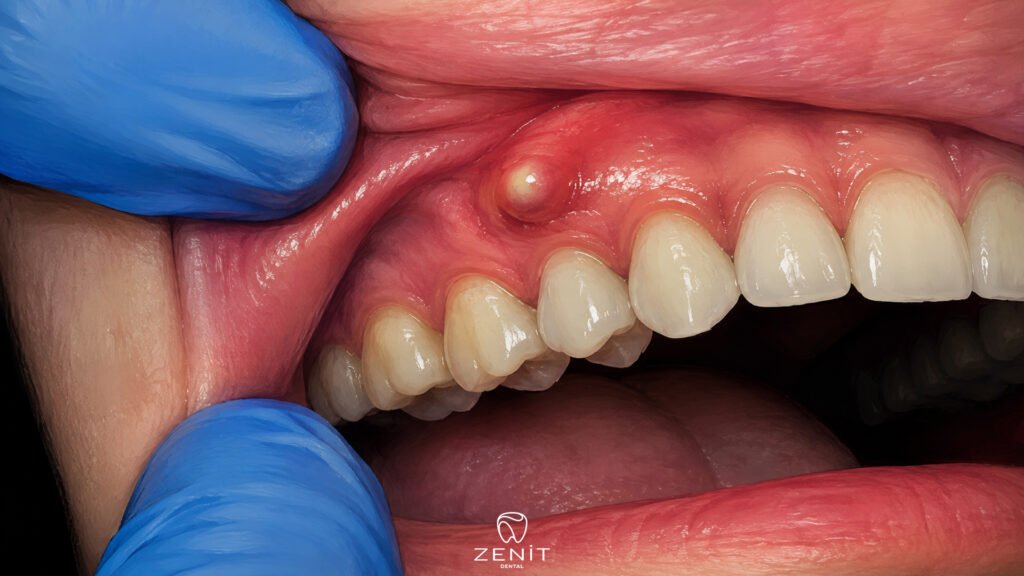
As the infection progresses, inflammation or an abscess may develop around the tooth root. A dental abscess may occur when pus accumulates around the tooth or gums as a result of infection. Some people may experience severe pain, while in other infected teeth the pain may not be very noticeable. Therefore, a reduction in pain does not always mean that the problem has completely disappeared.
So, Can an Infected Tooth Be Extracted?
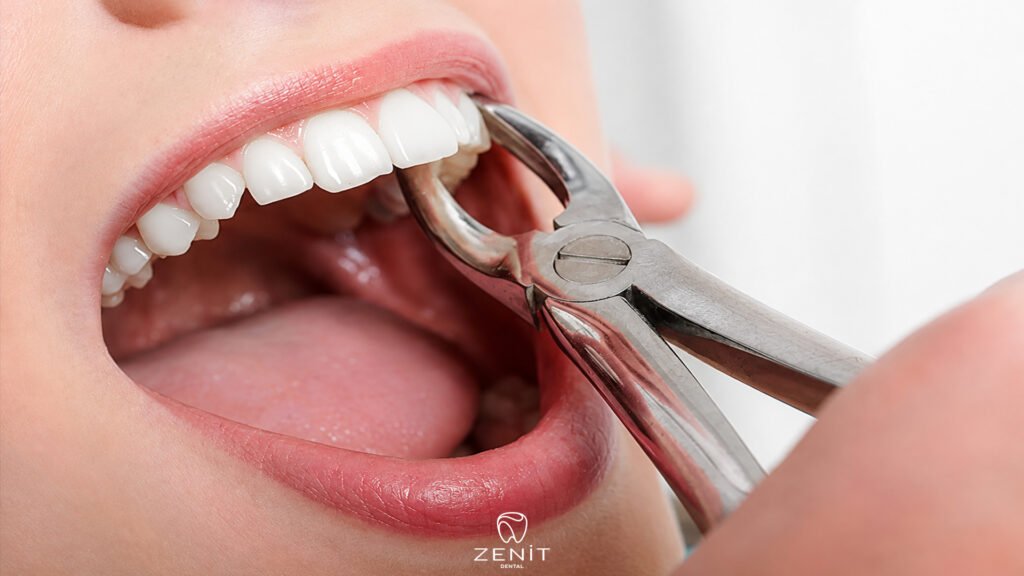
Yes, an infected tooth can be extracted under appropriate conditions.
What matters is not only whether there is an infection in the tooth, but also whether the tooth can be saved, how far the infection has spread, the patient’s general health, and the other treatment options that may be available.
For example, extraction may be considered for a tooth that is severely decayed, has lost a significant amount of tooth structure, or cannot be maintained healthily in the mouth in the long term.
One of the main goals of treating a dental abscess is to control the source of the infection. According to the NHS, if the source of the abscess is a tooth, root canal treatment may be performed or the tooth may be extracted when necessary.
In other words, the general statement “A tooth cannot be extracted if there is an infection” is not correct.
The important point is determining which treatment is most appropriate for each patient.
So, Can an Infected Tooth Be Extracted?
Yes, an infected tooth can be extracted under appropriate conditions.
What matters is not only whether there is an infection in the tooth, but also whether the tooth can be saved, how far the infection has spread, the patient’s general health, and the other treatment options that may be available. For example, extraction may be considered for a tooth that is severely decayed, has lost a significant amount of tooth structure, or cannot be maintained healthily in the mouth in the long term.
One of the main goals of treating a dental abscess is to control the source of the infection. In other words, the general statement “A tooth cannot be extracted if there is an infection” is not correct.
The important point is determining which treatment is most appropriate for each patient.
Is It Necessary to Take Antibiotics Before Extracting an Infected Tooth?
There is also a common misunderstanding regarding this issue.
Many people believe that when a tooth is infected, antibiotics must always be taken for several days before the tooth can be extracted.
However, antibiotics are not necessary for every dental infection.
The American Dental Association (ADA) guideline recommends prioritizing direct dental treatment rather than antibiotics for many localized problems involving the dental pulp and tissues around the tooth root in adults who are not severely immunocompromised. These treatments may include procedures related to root canal therapy and drainage of an abscess. Antibiotic treatment may be considered when symptoms suggesting that the infection is affecting the whole body, such as fever or general fatigue, are present.
Therefore:
“Antibiotics must always be used if a tooth is infected.”
or
“An infected tooth cannot be extracted without taking antibiotics.”
are not statements that are correct for every patient.
Whether antibiotics are necessary, which treatment should be performed, and the timing of treatment should be determined by a dentist. Starting antibiotics without professional advice or using antibiotics that were previously prescribed for another condition is not an appropriate approach.
Is It Possible to Save an Infected Tooth Instead of Extracting It?
Not every infected tooth needs to be extracted.
In fact, whenever possible, preserving the natural tooth in the mouth may be one of the preferred options.
If the tooth root and surrounding tissues are suitable, there is enough healthy tooth structure remaining, and the infection can be controlled with root canal treatment, root canal treatment may be considered.
The main purpose of root canal treatment is to remove the infected pulp tissue, clean the root canals, and fill them in a way that reduces the risk of reinfection.
However, in some teeth, the damage may be too advanced.
For example, if the tooth:
- Is too severely decayed to be restored,
- Has a serious problem with its root structure,
- Is severely fractured,
- Has experienced significant loss of the supporting tissues around it,
- Cannot be maintained healthily in the long term despite treatment,
the dentist may consider tooth extraction as a treatment option.
What Are the Symptoms of an Infected Tooth?
An infected or abscessed tooth may sometimes cause very obvious symptoms. In other cases, the symptoms may be much milder. Symptoms of a dental abscess may include severe tooth or gum pain, sensitivity to hot and cold, a bad taste in the mouth, difficulty chewing, swelling of the face or jaw, and fever.
In particular:
Swelling of the gums, throbbing tooth pain, pain while chewing, facial swelling, a bad taste in the mouth, or sensitivity are signs that should not be ignored, and a dental examination should not be delayed. This is because dental infections usually cannot be permanently resolved simply by taking painkillers or waiting for the pain to disappear.
If the Toothache Suddenly Goes Away, Does That Mean the Infection Is Gone Too?
This is another common mistake patients make.
A tooth may cause severe pain for several days, and then the pain may suddenly decrease. Naturally, the person may think, “My tooth has healed.”
However, especially in infected teeth, a decrease in pain does not necessarily mean that the problem has completely disappeared.
After the nerve tissue inside the tooth loses its vitality, the nature of the pain may change. Despite this, the infection around the tooth root may continue.
Therefore, especially in a tooth that has previously caused severe pain, swelling, or an abscess in the gums, a reduction in symptoms does not eliminate the need for a dental examination.
What Happens If an Infected Tooth Is Not Extracted?
It is not advisable to ignore a dental abscess or infection for a long period of time.
An untreated infection may progress in the affected area and spread to the surrounding tissues. For this reason, a dental abscess is considered a dental problem that requires prompt evaluation.
However, there is also no need to become unnecessarily worried.
If you have an infected tooth, rather than searching your symptoms online and assuming the worst-case scenario, the best approach is to visit a dentist and determine the source of the infection.
In most cases, a clear treatment option can be determined after a proper dental evaluation.
Can a Tooth Be Extracted If There Is Facial Swelling?
Facial swelling may be one of the signs that the infection has affected the surrounding tissues.
In such a situation, before asking “Will the tooth be extracted immediately?”, it is important to evaluate how far the infection has spread.
After the examination, the dentist may plan one or more treatment options, such as draining the abscess, root canal treatment, tooth extraction, or medication if considered necessary.
It is particularly important not to delay the examination if the swelling is increasing rapidly or is accompanied by general symptoms such as fever.
If there are symptoms such as difficulty breathing, speaking or swallowing, severe swelling inside the mouth, or swelling around the eyes, the situation may require urgent medical evaluation.