


How Long Do Laminate Veneers Last? Factors That Extend the Lifespan of Laminate Veneers
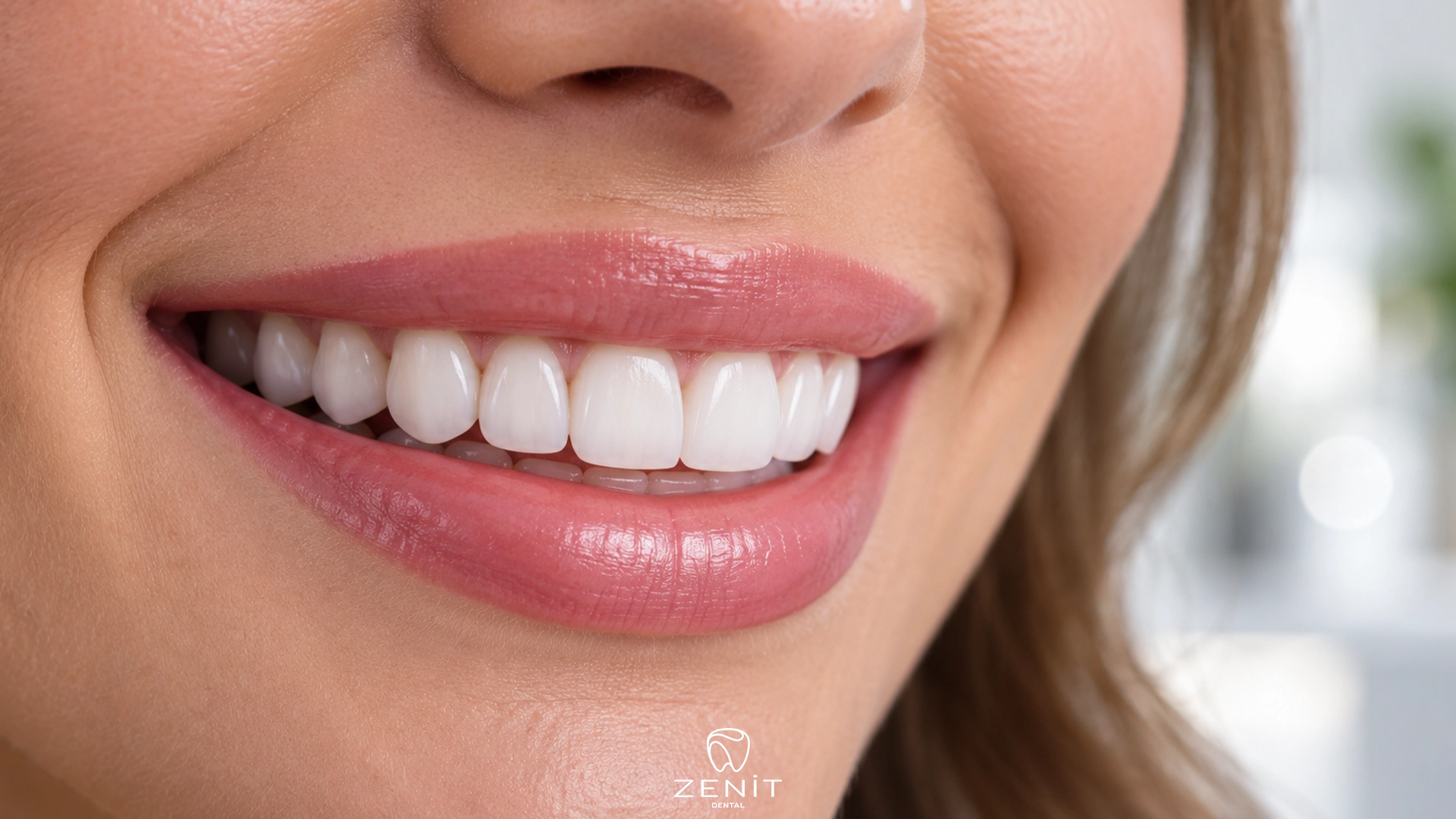
Laminate veneers are among the most commonly preferred treatments in aesthetic dentistry and can be used to improve the color, shape, size, and overall appearance of teeth. Porcelain veneers are particularly popular among people who want to achieve a natural and aesthetically pleasing appearance in their front teeth. With appropriate patient selection and proper application, they can remain functional for many years. However, one of the most frequently asked questions among people considering this treatment is: how long do laminate veneers last?
The lifespan of laminate veneers cannot be expressed with a single fixed number. The quality of the material used, the dentist’s application technique, the patient’s oral hygiene habits, teeth grinding or clenching, dietary habits, and regular dental check-ups can all directly affect how long veneers remain in good condition.
Scientific studies have shown high long-term survival rates for porcelain laminate veneers. For example, a systematic review evaluating 6,500 porcelain veneers reported an estimated cumulative 10-year survival rate of approximately 95.5%. However, it should be kept in mind that outcomes may vary depending on the material used, the treatment technique, and patient-specific factors.
In this guide prepared by Zenit Dental, we take a detailed look at how long laminate veneers last, which factors affect their lifespan, how laminate veneers should be cared for, and what can be done to help extend their longevity.
What Are Laminate Veneers?
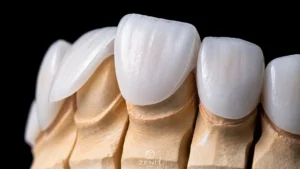
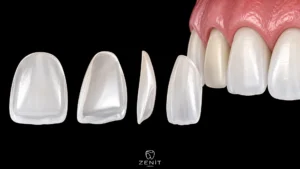
Laminate veneers, also known as dental veneers, are thin aesthetic restorations made from porcelain or composite materials and are generally applied to the front surfaces of teeth.
Porcelain veneers are often preferred because they can closely resemble the appearance of natural teeth. Unlike traditional crowns, which surround most or all of the tooth, laminate veneers are generally applied only to the visible front surface of the tooth.
Depending on the patient’s individual needs, a minimal amount of tooth structure may need to be removed during treatment. In certain suitable cases, only very limited tooth preparation may be necessary.
Laminate veneers may be considered for:
- Tooth discoloration,
- Irregularities in the shape of front teeth,
- Certain small gaps between teeth,
- Chipped or worn teeth,
- Teeth that appear aesthetically disproportionate,
- Smile design treatments.
However, laminate veneers may not be suitable for every patient. Factors such as gum health, the condition of the existing tooth structure, bite relationships, and teeth grinding habits should be evaluated by a dentist before treatment.
How Long Do Laminate Veneers Last?
So, how long do laminate veneers last?
Porcelain laminate veneers can remain functional for many years when they are planned correctly, made from appropriate materials, bonded successfully, and supported by good oral hygiene.
Scientific research shows that a significant proportion of porcelain laminate veneers continue to function successfully after 10 years. A systematic review published in 2021 reported an estimated 10-year survival rate of 95.5%. However, a “survival rate” does not mean that every veneer will remain completely unchanged for 10 years. Minor fractures, marginal discoloration, bonding problems, or other clinical complications may still occur.
Another systematic review also reported generally high success rates for porcelain laminate veneers, while emphasizing that scientific evidence regarding periods of use beyond 20 years remains more limited.
For this reason, it would not be accurate to say that laminate veneers will definitely last 10, 15, or 20 years for every patient.
The answer to the question “how long do laminate veneers last?” may vary depending on the patient’s oral structure and daily habits.
How Many Years Do Laminate Veneers Last?
The lifespan of laminate veneers depends on many different factors.
Porcelain veneers can be a long-lasting restorative option under appropriate conditions. A recent systematic review and meta-analysis reported high survival rates for different types of ceramic laminate veneers over follow-up periods of approximately 10 years. The study also showed that outcomes may vary depending on the type of ceramic material used.
However, the material itself is not the only factor that determines the lifespan of a veneer.
Important factors include:
- The condition of the natural tooth structure,
- Bonding technique,
- The dentist’s treatment planning,
- The patient’s bite,
- Teeth grinding or clenching,
- Oral hygiene,
- Consumption of very hard foods,
- Regular dental examinations.
For this reason, an individualized assessment is important before undergoing laminate veneer treatment.
What Factors Help Extend the Lifespan of Laminate Veneers?
One of the most important factors in determining how long laminate veneers last is how patients use and care for their veneers after treatment.
Let us take a closer look at the main factors that may help extend the lifespan of laminate veneers.
1. Regular and Proper Oral Hygiene
Good oral hygiene is essential for keeping laminate veneers and the surrounding tissues healthy over the long term.
Although laminate veneers themselves do not decay, the natural tooth structure underneath and around them can still develop cavities. Gum disease may also negatively affect the tissues surrounding the veneers.
For this reason, daily oral care should include:
- Brushing the teeth regularly,
- Using dental floss or appropriate interdental cleaning methods,
- Carefully cleaning along the gumline,
- Using oral care products recommended by your dentist.
Good oral hygiene helps protect not only laminate veneers but also natural teeth and gum health.
2. Paying Attention to Teeth Grinding and Clenching
Bruxism, commonly known as teeth grinding or clenching, can place excessive pressure on porcelain veneers.
In particular, unconscious nighttime clenching may increase the risk of:
- Cracking,
- Fracturing,
- Damage to veneer margins,
- Bonding problems.
Patients who grind or clench their teeth should therefore inform their dentist before receiving laminate veneer treatment.
If considered appropriate by the dentist, protective measures such as a night guard may be recommended.
Therefore, bruxism is an important factor when answering the question “how long do laminate veneers last?”
3. Avoiding Extremely Hard Foods
Porcelain dental veneers are designed to withstand the forces associated with normal eating. However, attempting to break or bite extremely hard substances with the front teeth can place unnecessary stress on the veneers.
For example:
- Biting or crushing ice,
- Opening very hard-shelled foods with the front teeth,
- Breaking hard candies,
- Biting bones or similarly hard objects
may increase the risk of damage to laminate veneers.
This does not mean that patients need to completely change their normal eating habits. The important point is not to treat porcelain veneers as though they are stronger than natural teeth.
4. Avoiding Nail Biting and Using Teeth as Tools
Using the teeth as “tools” can be harmful to both natural teeth and laminate veneers.
Biting pens, biting nails, opening packages, or tearing plastic packaging with the teeth can place unnecessary pressure on veneers.
Over time, these habits may increase the risk of cracking or chipping around the edges of the veneers.
Patients who want to extend the lifespan of their laminate veneers should avoid such habits.
5. Regular Dental Check-Ups
Regular dental examinations are another important part of determining how long laminate veneers last.
During routine examinations, the dentist can evaluate:
- The margins of the veneers,
- Gum health,
- Bite relationships,
- Whether there are any cracks or fractures,
- The condition of the natural tooth beneath the veneer.
Detecting small problems early may make it possible to address them before more serious complications develop.
The appropriate frequency of dental check-ups should be determined by the dentist according to the patient’s individual oral health.
6. Proper Bite Planning
The success of laminate veneer treatment is not limited to aesthetic appearance.
The way the upper and lower teeth come into contact with one another, known as occlusion, is also extremely important.
Excessive forces on the front teeth may increase the risk of mechanical complications in laminate veneers.
For this reason, treatment planning should include a detailed evaluation of:
- The relationship between the upper and lower jaws,
- Contacts between the front teeth,
- Chewing movements,
- Teeth grinding or clenching habits.
A properly planned bite may help support the long-term performance of laminate veneers.
7. Preserving Natural Tooth Structure
Preserving as much natural tooth structure as possible is one of the important principles of laminate veneer treatment.
Research suggests that porcelain veneers bonded primarily to enamel may demonstrate favorable long-term performance. Some literature reviews have reported that excessive preparation extending into dentin may negatively affect long-term success.
For this reason, tooth preparation should be individualized and a conservative approach should be preferred whenever clinically appropriate.
8. Using the Right Material
The type of ceramic used in laminate veneer treatment is another important consideration.
Different porcelain and glass-ceramic materials have different physical properties.
A systematic review and meta-analysis published in 2024 reported high long-term survival rates for feldspathic, leucite-reinforced, and lithium disilicate laminate veneers. However, complication profiles may vary depending on the material.
For this reason, material selection should not be based solely on aesthetic expectations. The condition of the tooth, bite relationship, and requirements of the treatment should also be considered.
9. Proper Bonding Technique
Although laminate veneers are very thin restorations, they are bonded to the tooth surface using specialized adhesive systems and resin cements.
The success of the bond may be influenced by technical factors such as:
- Preparation of the tooth surface,
- Proper isolation,
- The adhesive system used,
- Preparation of the ceramic surface,
- The cementation procedure.
For this reason, laminate veneer treatment should be performed by an experienced dentist using appropriate clinical protocols.
Can Laminate Veneers Break?
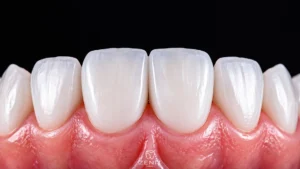
Yes. Although porcelain veneers are durable restorations, they are not unbreakable.
Scientific studies have reported fractures or cracks among the most common technical complications associated with porcelain laminate veneers.
Factors that may increase the risk of fracture include:
- Teeth grinding,
- Trauma,
- Biting extremely hard foods,
- Improper bite relationships,
- Using the teeth to open objects,
- Inappropriate case selection.
Whether a minor defect can be repaired or the entire veneer needs to be replaced should be determined by a dentist after a clinical examination.
Can Laminate Veneers Fall Off?
Although uncommon, laminate veneers may occasionally become detached or lose their bond to the tooth.
This may occur because of:
- Trauma,
- Excessive force,
- Teeth grinding,
- Problems with the bonding surface,
- Application technique.
Systematic reviews have identified debonding as one of the possible complications associated with laminate veneers. However, long-term studies generally demonstrate high overall survival rates for porcelain veneers.
If a veneer becomes detached, the patient should not attempt to glue it back into place at home. A dentist should be consulted.
Can Cavities Develop Under Laminate Veneers?
Porcelain itself does not decay like natural tooth tissue.
However, natural tooth structure remains underneath and around the margins of the veneer. If oral hygiene is inadequate, tooth decay may develop in these areas.
It is especially important to keep the margins between the veneer and the natural tooth clean.
Regular brushing, flossing, and professional dental check-ups can help protect the remaining natural tooth structure.
Do Laminate Veneers Become Discolored?
Porcelain surfaces may be more resistant to staining than natural tooth enamel.
However, over time, discoloration or staining may develop around the margins of the veneers due to changes in the surrounding natural tooth structure.
Changes in the color of the patient’s natural teeth may also create a visible difference between the veneers and neighboring teeth.
Tea, coffee, and tobacco products may contribute particularly to staining of natural teeth and areas surrounding restorations.
Should Laminate Veneers Be Cared for Like Natural Teeth?
For the most part, yes.
Patients with laminate veneers should maintain regular oral hygiene just as they would with natural teeth.
However, excessively aggressive brushing or the uncontrolled use of highly abrasive products is not recommended.
Depending on your individual oral health, your dentist may recommend suitable:
- Toothbrushes,
- Toothpaste,
- Dental floss,
- Interdental cleaning products.
Can Laminate Veneers Be Replaced?
Yes. Laminate veneers are not necessarily expected to remain unchanged for a lifetime.
A veneer may need to be replaced in cases involving:
- Fracture,
- Cracking,
- Wear,
- Deterioration of marginal fit,
- Changes in aesthetic expectations,
- Problems affecting the underlying tooth.
Whether a veneer needs to be replaced should be determined through clinical examination and, when necessary, appropriate imaging.
How Can You Tell When a Laminate Veneer Needs to Be Replaced?
Several signs may indicate that a laminate veneer should be evaluated for possible replacement.
These include:
- Visible cracks in the veneer,
- Movement or looseness,
- Gaps developing around the margins,
- Pain or sensitivity,
- Recurrent gum problems,
- Suspicion of decay beneath the veneer,
- Noticeable color mismatch.
The presence of one of these signs does not necessarily mean that the veneer must be replaced.
A dentist should first examine the affected tooth and restoration.
Who Is Suitable for Laminate Veneers?
Laminate veneers may be considered particularly for patients who have aesthetic concerns and suitable tooth structure.
However, alternative treatment options may need to be considered for patients with active gum disease, severe teeth grinding, or insufficient natural tooth structure for laminate veneer treatment.
For this reason, a comprehensive dental and oral examination should be performed before beginning treatment.
Which Lasts Longer: Laminate Veneers or Zirconia Crowns?
Laminate veneers and zirconia crowns are not direct alternatives to one another.
The indications and tooth preparation requirements for these two treatments may differ significantly.
Laminate veneers are generally used as a more conservative approach to improve the appearance of the front surfaces of teeth, whereas full-coverage restorations may surround a larger portion of the tooth.
For this reason, treatment selection should not be based solely on the question of “which one lasts longer?”
The current condition of the tooth, aesthetic expectations, bite relationship, and the amount of restoration required should all be evaluated.
How Long Do Laminate Veneers Last and How Can Their Lifespan Be Extended?
In summary, there is no single number that applies to every patient when answering the question “how long do laminate veneers last?”
However, scientific studies show that porcelain laminate veneers can provide successful long-term results under appropriate conditions. Some systematic reviews have reported 10-year survival rates exceeding 90%.
To help support the longevity of laminate veneers:
- Brush your teeth regularly.
- Clean between your teeth.
- Attend dental check-ups at the intervals recommended by your dentist.
- Do not use your teeth to break hard objects.
- Avoid biting your nails.
- Do not use your teeth to open packages.
- Inform your dentist if you grind or clench your teeth.
- Avoid breaking extremely hard foods with your front teeth.
- Protect your teeth from trauma.
- Follow professional oral hygiene recommendations.
These habits can help protect both natural teeth and laminate veneers.
Laminate Veneer Treatment at Zenit Dental
In laminate veneer treatment, correct planning and preservation of natural tooth structure are just as important as aesthetic results.
At Zenit Dental, when planning laminate veneer treatment, the following factors are evaluated together:
- Teeth and gum health,
- Smile characteristics,
- The color and shape of the teeth,
- Jaw and bite relationship,
- Aesthetic expectations,
- Teeth grinding or clenching habits.
Because every patient has a different dental structure, each treatment plan should be individually tailored.
Frequently Asked Questions
How long do laminate veneers last?
There is no exact lifespan that applies to everyone when answering how long laminate veneers last. However, long-term studies have shown high survival rates for porcelain laminate veneers. Their lifespan may vary depending on oral hygiene, the material used, the application technique, and the patient’s habits.
Can laminate veneers last 10 years?
Properly applied and well-maintained porcelain veneers may remain functional for 10 years or longer. However, the lifespan of every restoration is individual, and there is no guaranteed fixed period.
Do laminate veneers last a lifetime?
No. Although laminate veneers are considered a long-term restorative treatment, this does not mean that they will remain unchanged for a lifetime without maintenance, repair, or replacement.
Can teeth grinding damage laminate veneers?
Teeth grinding and clenching can place excessive forces on veneers and may increase the risk of cracking or fracture.
Can laminate veneers be removed?
If tooth preparation was performed as part of laminate veneer treatment, a new restoration will generally need to be planned after the veneers are removed. The exact situation may vary depending on the technique used.
What happens if a laminate veneer breaks?
Depending on the extent of the damage, repair or replacement of the veneer may be considered. The final decision should be made after a dental examination.
How should laminate veneers be cared for?
Regular brushing, interdental cleaning, avoiding biting hard objects, and attending routine dental examinations are among the fundamental aspects of laminate veneer care.
Conclusion
The question “how long do laminate veneers last?” is one of the most common concerns among people considering laminate veneer treatment. Current scientific studies indicate that porcelain laminate veneers can provide successful long-term outcomes when they are properly planned, correctly applied, and appropriately maintained.
However, the lifespan of laminate veneers does not depend solely on the quality of the porcelain used. The dentist’s application technique, the condition of the natural tooth structure, the patient’s bite, teeth grinding habits, oral hygiene, and daily habits should all be considered together.
For this reason, the individual answer to the question “how long do laminate veneers last?” can only be determined after a detailed dental examination.
To help keep your laminate veneers in good condition for as long as possible, it is important to maintain regular oral hygiene, avoid using your teeth to break hard objects, manage possible teeth grinding problems, and attend regular dental check-ups.
At Zenit Dental, you can receive detailed information about laminate veneer treatment, evaluate treatment options suitable for your dental structure, and create a personalized treatment plan based on your aesthetic expectations.