


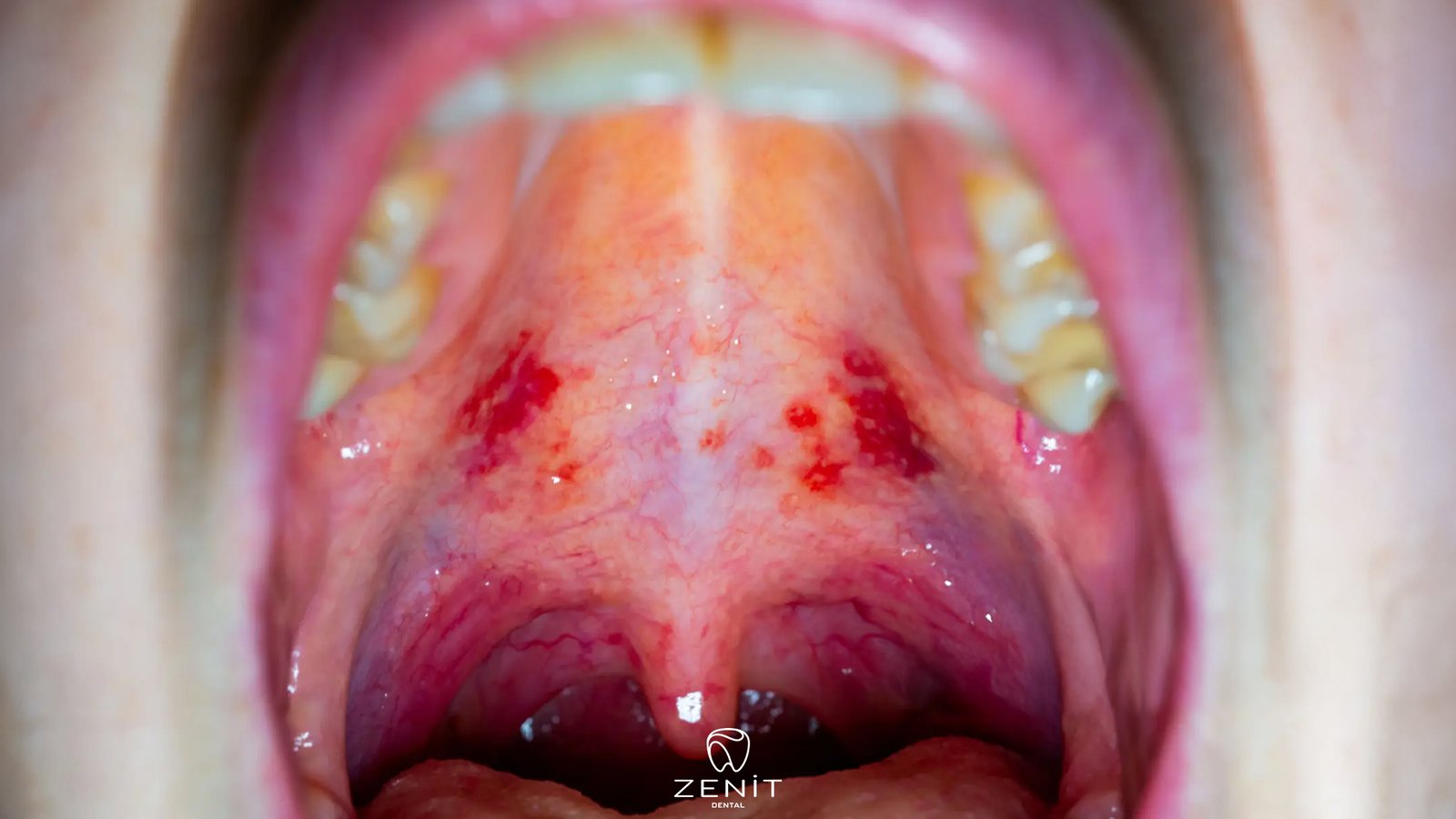
How to Heal Mouth Sores
Mouth sores are a small health issue that many of us encounter from time to time, but often overlook. At first, they may seem like a minor annoyance, yet they can affect your daily life while eating, talking, or even smiling. These sores occur when the delicate tissues inside the mouth become irritated, and sometimes they can quietly bother us for several days without us even noticing.
Even though mouth sores may seem like a common issue, they can subtly have a big impact on daily life. That burning sensation while sipping a hot soup, the discomfort while chatting with loved ones, or the slight pain when you try to smile all show how irritating mouth sores can be. Moreover, it’s not just a physical discomfort; it can affect your mood too, because constantly focusing on pain can make you feel tired and restless.
Fortunately, most mouth sores are not serious and can heal quickly with simple home remedies. In this blog post, we will cover everything you want to know—from the causes of mouth sores to natural and practical treatment methods—in a friendly and approachable way.
Why Do Mouth Sores Appear?
There are actually many reasons why mouth sores appear. One of the most common causes is irritation inside the mouth. Hard or sharp foods like chips, nuts, or toasted bread can cause small scratches and sensitivity on the roof of the mouth. Additionally, not paying enough attention to oral hygiene, using a very hard toothbrush, or using dental floss incorrectly can easily irritate the delicate tissue.
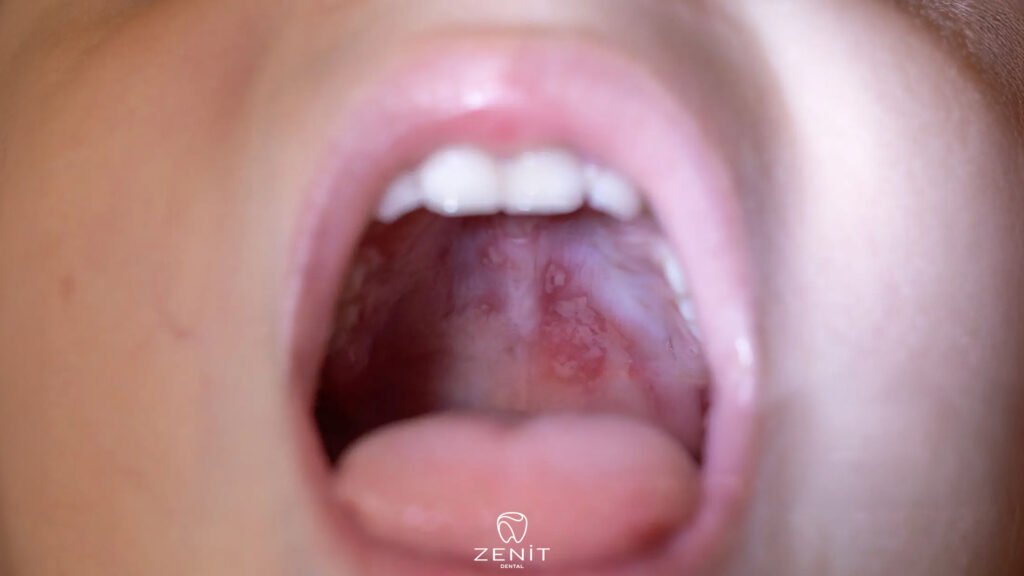
Stress and fatigue also make it easier for mouth sores to appear. Interestingly, when the body is tired, the immune system weakens a bit, and small sores inside the mouth can show up more easily. Hormonal changes, especially in women before their menstrual cycle, can increase sensitivity in the mouth and trigger small sores.
Vitamin and mineral deficiencies also play a role in the appearance of mouth sores. In particular, deficiencies in B12, iron, and folic acid can make the tissues inside the mouth more prone to damage. So sometimes mouth sores are more than just a “small nuisance”; they can be a signal from your body saying: “Maybe pay a little more attention to your diet.”
Symptoms of Mouth Sores
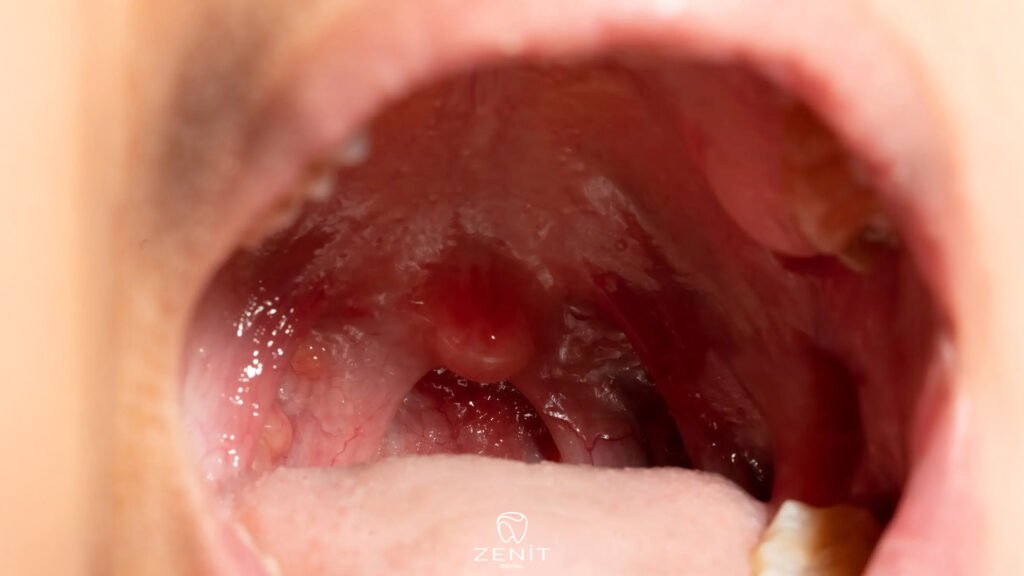
Mouth sores usually appear small but noticeable. They are often white or yellowish spots with red, slightly inflamed edges. These sores can cause a stinging, burning, or mild pain, especially while eating or drinking. Consuming acidic, spicy, or very hot foods can make this discomfort even more noticeable.
Mouth sores can appear as a single spot, or sometimes as multiple tiny sores. Their size is generally only a few millimeters, but they can be bothersome enough to affect daily life. The little discomfort you feel while talking, smiling, or eating is your body reminding you that these sores are present.
Home Remedies for Mouth Sores
Most mouth sores heal on their own, but there are a few simple things you can do at home to relieve pain and speed up recovery:
Saltwater Rinse: Mix a teaspoon of salt in a glass of warm water and rinse your mouth. This helps reduce bacteria and supports faster healing. You can do this 2-3 times a day.
Ice Application: Gently pressing a small piece of ice on the sore can reduce pain and soothe inflammation.
Natural Rinses and Herbal Oils: Aloe vera gel or herbal remedies like sage can help ease discomfort and support healing. Over-the-counter antiseptic mouthwashes can also help, but be mindful of the ingredients.
Soft and Gentle Foods: Avoid hard bread, chips, spicy, and acidic foods that can irritate the sores. Soft foods like yogurt, banana, or boiled vegetables are gentle and nourishing for your mouth.
Vitamin Supplements: If mouth sores appear frequently, deficiencies in B12, iron, or folic acid might be a factor. Taking supplements under medical guidance can help prevent recurrence.
How to Prevent Mouth Sores
Preventing mouth sores is just as important as treating them. Here are some easy tips you can apply in daily life:
Pay Attention to Oral Hygiene: Brushing your teeth regularly and using dental floss prevents bacteria buildup. Choosing a soft toothbrush protects the delicate tissues in your mouth.
Reduce Stress: Relaxing activities like yoga, meditation, or short walks calm your mind and strengthen your immune system. Remember, stress can trigger mouth sores.
Mind Your Diet: Eating a balanced diet with enough vitamins and minerals helps protect your oral tissues. Vitamin C and zinc are particularly helpful for healthy gums and mouth tissues.
Limit Smoking and Alcohol: These habits can irritate your mouth and slow down healing. Reducing them can make a big difference for both oral and overall health.
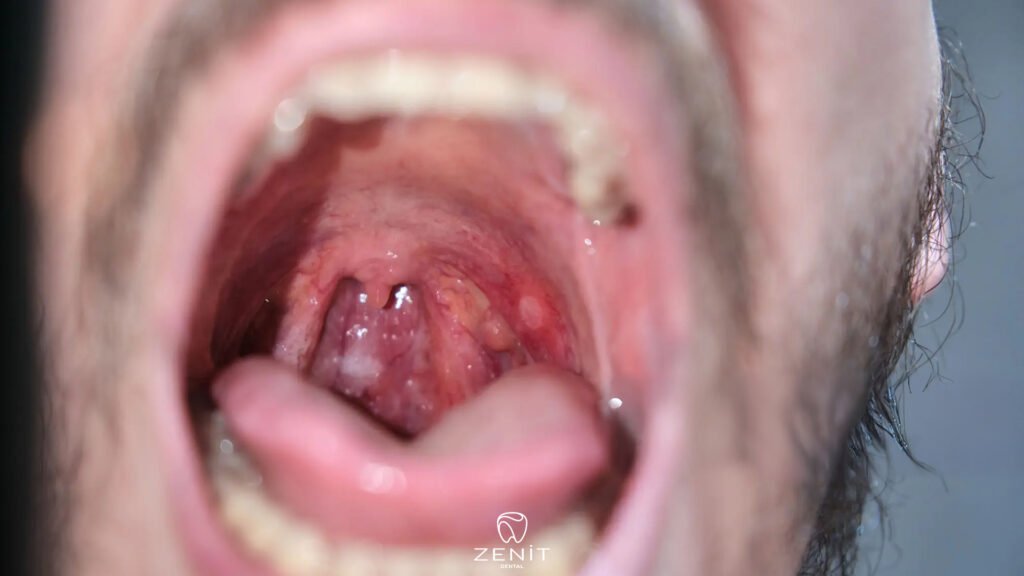
When to See a Doctor
Most mouth sores heal on their own within 7-10 days, so there’s usually no need to worry. However, in some cases, you should consult a professional:
-
If the sore lasts longer than 2 weeks
-
If it’s very painful or bleeding
-
If sores keep recurring
-
If other symptoms like fever or fatigue appear
These situations could indicate an underlying health issue. So it’s always safest to get a professional opinion without delay.
Comments are closed