


What Is Composite Filling? How Is It Done?
Our teeth are among the hardest working parts of our body. From the first bite of breakfast to the last meal of the day, every conversation we have, and every genuine smile we share, they play an important role in our daily lives. Most of the time, we don’t even think about them until we experience a toothache, notice a chipped tooth, or realize something doesn’t look quite right when we smile.
With the busy pace of everyday life, it’s easy to neglect oral care from time to time. When teeth are not brushed regularly, cavities can develop over time. Biting into something hard may cause small cracks, and natural wear can occur over the years. Sports injuries, unexpected accidents, or old fillings wearing out can also leave a tooth in need of treatment. In situations like these, treatments that restore both the health and the appearance of the tooth become extremely valuable.
Thanks to modern advances in dentistry, today’s treatments are designed not only to eliminate discomfort but also to preserve the natural beauty of your smile. One of the most popular options is the composite filling, which offers both functional and aesthetic benefits. Because the filling material is carefully matched to the color of your natural teeth, it often blends in so well that it’s almost impossible to tell where the filling has been placed. This allows you to regain both a healthy tooth and a confident smile.
Composite fillings are not only used to treat cavities. They are also an excellent option for repairing chipped teeth, correcting minor shape imperfections, closing small gaps between teeth, and replacing old or unattractive fillings. Since the procedure is usually completed in a single appointment, it is considered a practical and comfortable treatment for many patients.
What Is a Composite Filling?
A composite filling is a tooth colored restorative material used to repair teeth affected by decay, small fractures, cracks, or minor shape irregularities. The goal is not only to restore the damaged area but also to preserve the tooth’s natural appearance and function as much as possible.
Years ago, most people associated dental fillings with noticeable silver colored metal restorations. Although they were effective, they often stood out whenever you smiled. Composite fillings have changed that completely. Because the material is matched to the natural shade of your teeth, the restoration blends in beautifully, making it difficult to notice where the filling has been placed.
One of the biggest advantages of composite fillings is their natural appearance. For this reason, they are especially popular for treating cavities or small fractures in the front teeth. However, they are not limited to visible teeth. Thanks to continuous improvements in dental materials, modern composite fillings are both highly durable and aesthetically pleasing, making them suitable for back teeth that are exposed to greater chewing forces.
When Is a Composite Filling Used?
Many people think composite fillings are only used to treat cavities. In reality, they have a much wider range of applications. Today, dentists use composite fillings not only to restore damaged teeth but also to improve their appearance and function.
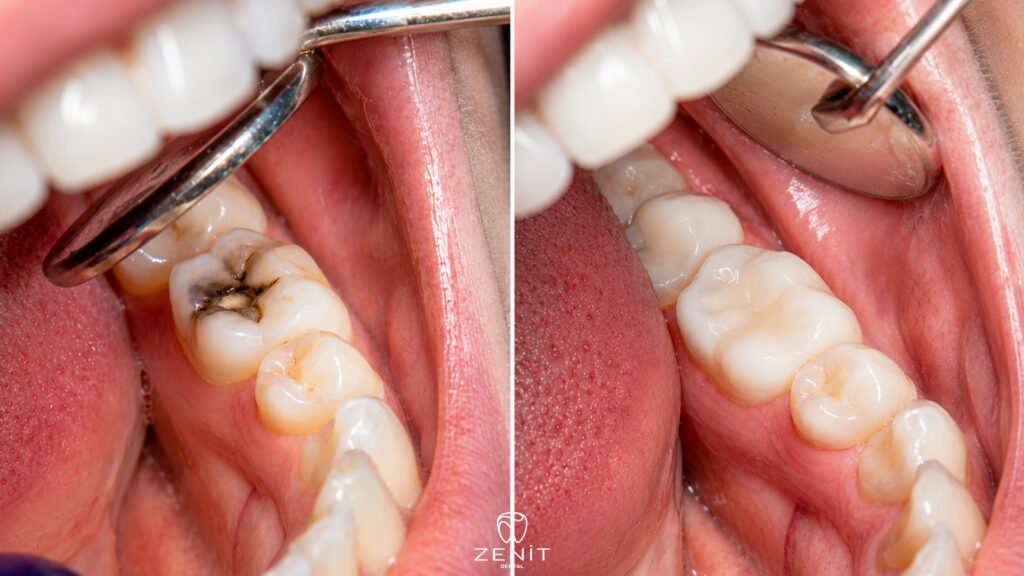
The most common reason for treatment is repairing a tooth after a cavity has been removed. Once the decayed tissue is cleaned away, the remaining space is filled with composite material, restoring both the tooth’s strength and its natural look.
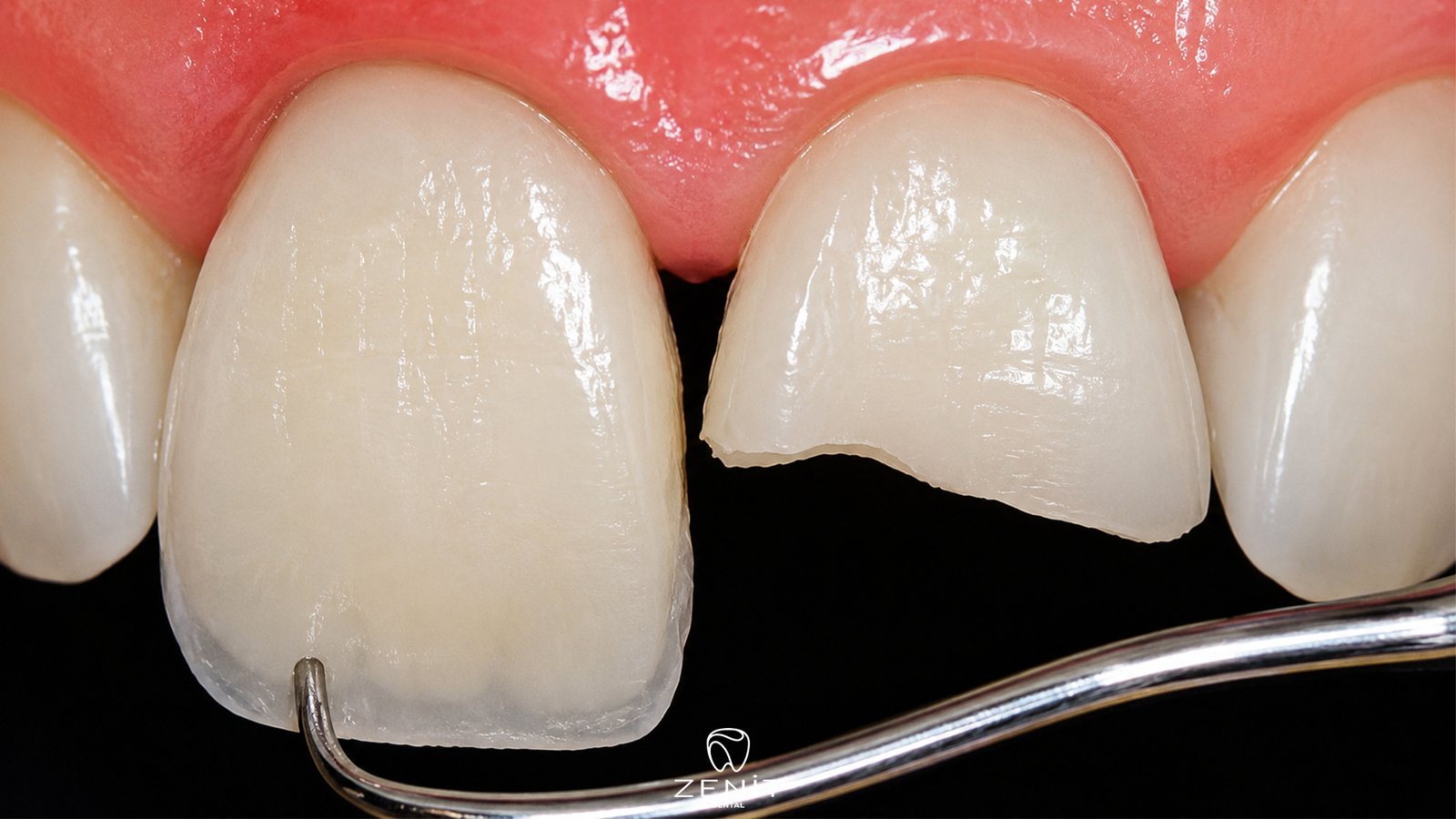
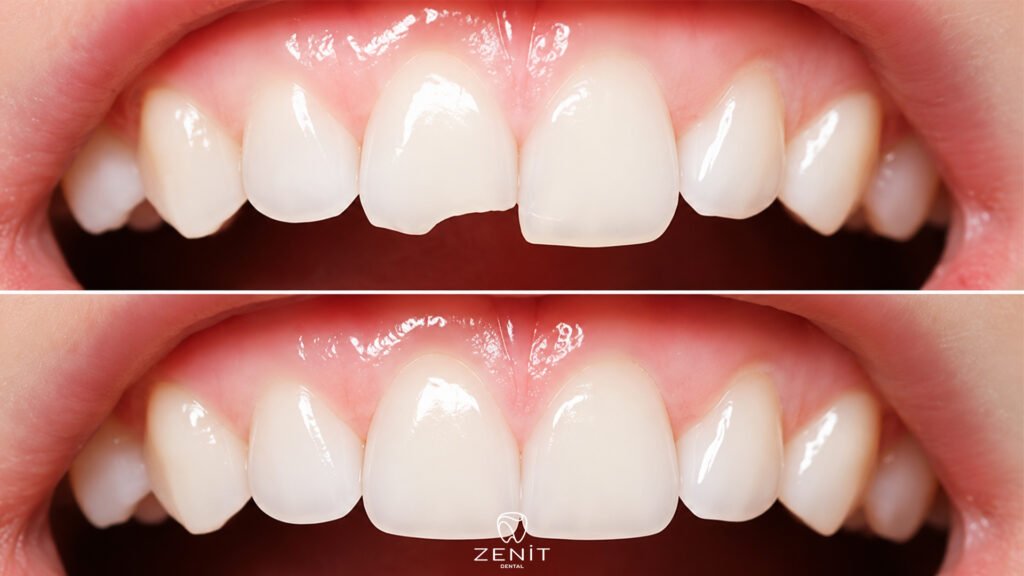
Composite fillings are also an excellent choice for repairing teeth that have been chipped or broken due to accidents, falls, or biting into something hard. In many cases, small fractures can be restored while preserving as much of the natural tooth as possible.
Teeth that have become worn over time can also benefit from composite restorations. This is especially helpful for people who grind or clench their teeth, as lost tooth structure can often be rebuilt to improve both appearance and chewing function.
Some people are bothered by small gaps between their teeth. While orthodontic treatment is not always necessary, carefully placed composite fillings can often close these spaces and create a more balanced, harmonious smile.
Composite fillings are also commonly used to correct minor shape irregularities, small differences in tooth length, or slight asymmetries in the front teeth. They are therefore an important part of many cosmetic smile enhancement treatments. In addition, replacing old, stained, or poorly fitting fillings is another common reason dentists recommend composite restorations.
How Is a Composite Filling Performed?
One of the most common concerns patients have before getting a composite filling is whether the procedure will be painful or difficult. Fortunately, modern dental techniques have made the treatment both comfortable and efficient. In most cases, the entire procedure can be completed in just one visit.
Before treatment begins, your dentist carefully examines the affected tooth. If necessary, a dental X ray may be taken to evaluate the extent of the decay or damage and create the most appropriate treatment plan.
The decayed or damaged portion of the tooth is then gently removed while preserving as much healthy tooth structure as possible. If the cavity is deep or there is a possibility of discomfort, a local anesthetic is administered to ensure the procedure is completely comfortable.
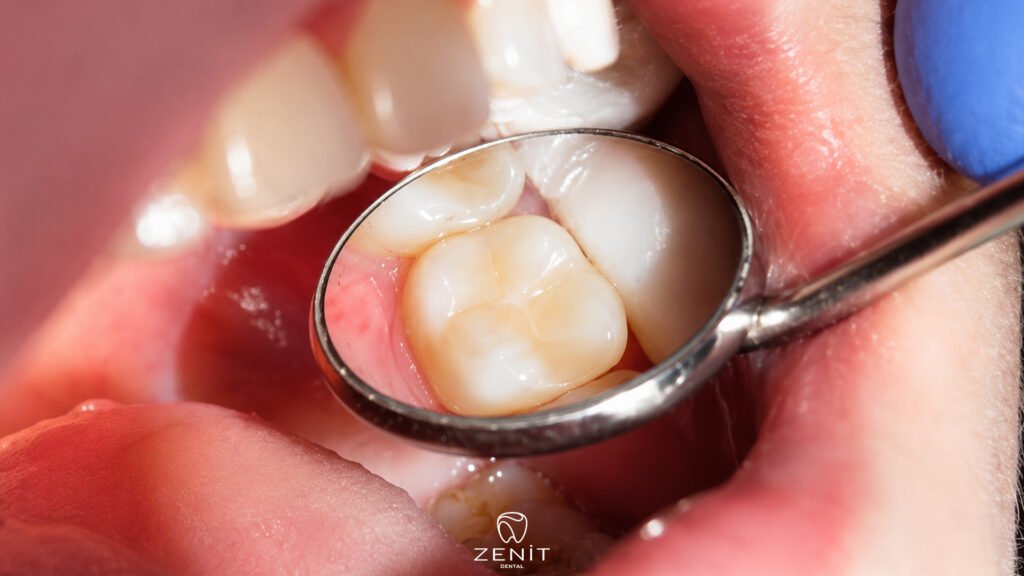
Once the tooth has been cleaned, it is prepared so the filling can bond securely to the tooth surface. The composite material, matched to the natural color of your teeth, is then applied in several thin layers rather than all at once. Each layer is hardened using a special curing light, creating a strong and long lasting restoration.
Once the filling has been placed, your dentist carefully shapes and polishes it so that it feels comfortable when you bite and blends seamlessly with your natural tooth. The goal is not only to restore strength but also to create a result that looks completely natural.
How Long Does a Composite Filling Last?
One of the questions patients ask most often before getting a composite filling is how long it will last. The truth is that there isn’t a single answer that applies to everyone. The lifespan of a composite filling depends on several factors, including the quality of the treatment and how well you take care of your teeth afterward.
In general, a well placed composite filling that is properly maintained can last around 7 to 10 years. In many cases, it can even last longer when patients maintain good oral hygiene, attend regular dental check ups, and avoid habits that put excessive stress on their teeth.
Daily brushing and flossing play an important role in keeping both your teeth and your fillings in good condition. Habits such as chewing ice, cracking nuts with your teeth, or using your teeth to open hard objects can gradually weaken or damage the filling over time.
Teeth grinding and clenching can also shorten the lifespan of a composite filling. People who unknowingly grind their teeth while sleeping place extra pressure on both their natural teeth and their restorations. In these situations, your dentist may recommend wearing a custom night guard to help protect the filling and extend its longevity.
The location of the filling also makes a difference. Fillings placed on back teeth are exposed to much greater chewing forces than those on front teeth, so their lifespan can vary depending on where they are located. With proper care and regular dental visits, however, composite fillings can continue to look and function well for many years.
Composite Filling Cost 2026
The cost of a composite filling in 2026 can vary depending on several factors, including the number of teeth being treated, the size of the cavity, the location of the tooth, and the type of composite material used. Whether treatment is needed for a single tooth or multiple teeth, and whether additional procedures are required, can also influence the overall cost. For this reason, it is not possible to provide one fixed price that applies to everyone.
The most accurate cost estimate can only be provided after a dental examination. During your consultation, your dentist will carefully evaluate your oral health and recommend the most suitable treatment plan for your needs.. If you would like to learn more about composite fillings, receive a personalized treatment plan, or get a customized price estimate, we invite you to contact our clinic and schedule your appointment today. Taking the first step toward a healthier, more confident smile is easier than you think.