


What Causes Mouth Sores?
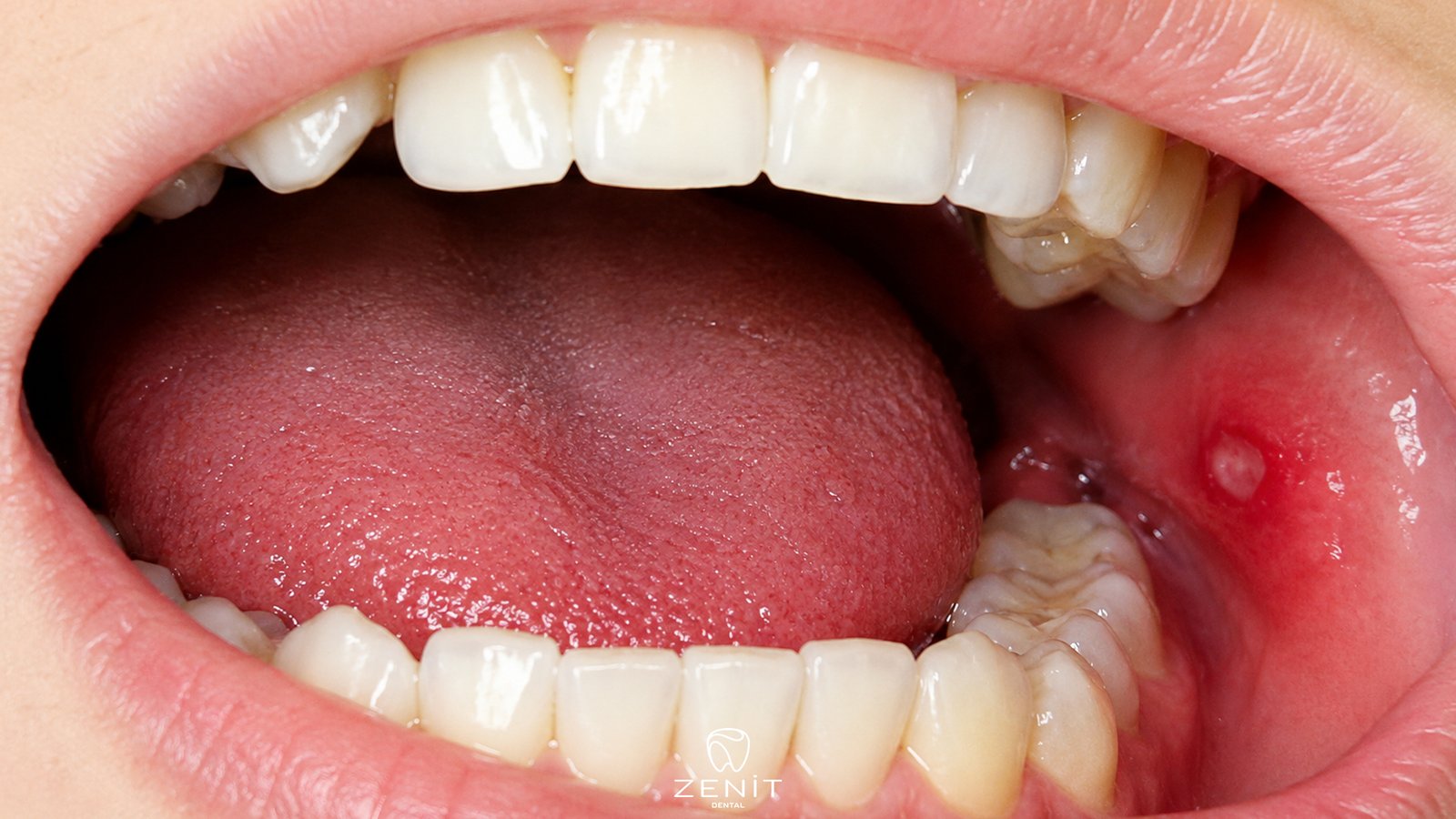
Even a tiny sore inside the mouth can suddenly affect your daily comfort. What starts as a small irritation may become increasingly noticeable throughout the day while drinking water, eating, talking, or even smiling. The stinging sensation, especially when consuming hot, cold, spicy, or acidic foods, often leads many people to think, “It will go away in a few days.” In fact, most mouth sores do heal on their own within a short period. However, not every sore is the same, and in some cases, what seems like a minor problem may actually be your body’s way of signaling that something else deserves attention.
Mouth sores can develop for simple reasons, such as accidentally biting the inside of your cheek, using a hard-bristled toothbrush, or going through a stressful period. They may also be associated with various factors, including vitamin and mineral deficiencies or conditions affecting the immune system. For this reason, sores that recur frequently, take a long time to heal, or gradually become larger should not be ignored. The mouth can provide valuable clues about your overall health, and changes in the oral tissues are not always limited to oral health alone.
Of course, not every mouth sore is a sign of a serious medical condition. In many cases, proper oral care, a balanced diet, and a little patience are all that is needed for the sore to heal naturally. However, knowing which situations are considered normal and when it is appropriate to seek advice from a dentist or healthcare professional can help prevent unnecessary concern while allowing potential problems to be identified at an early stage.
What Is a Mouth Sore?
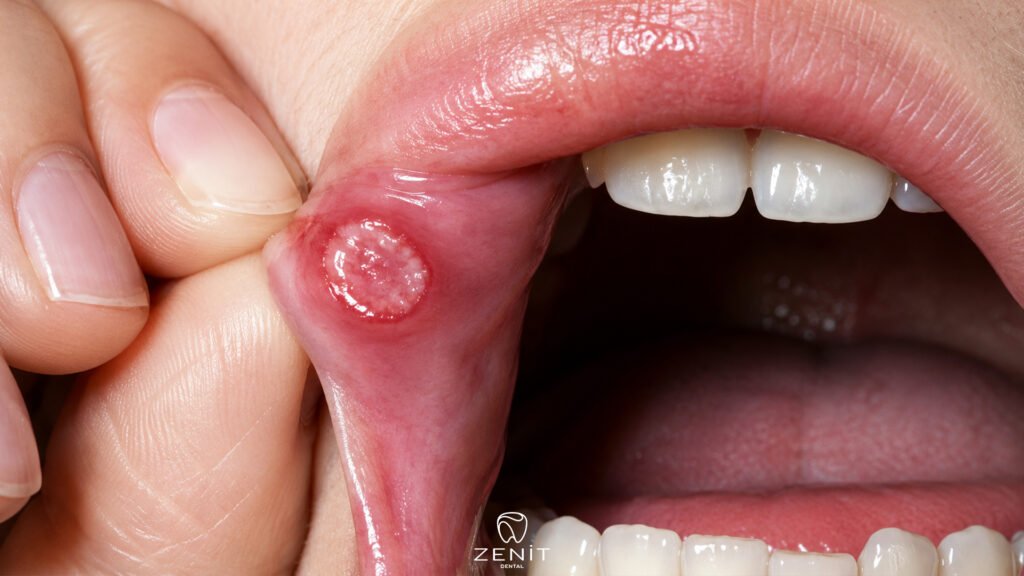
To begin, it is helpful to understand what a mouth sore actually is. A mouth sore is a small area of damage that develops in the delicate tissues lining the inside of the mouth. These sores may appear on the inside of the lips, the inner cheeks, the tongue, the gums, or the roof of the mouth. Although they often begin as a tiny spot, they can become increasingly sensitive over time and interfere with everyday activities. The burning or stinging sensation experienced while eating hot or spicy foods is one of the most common and uncomfortable symptoms.
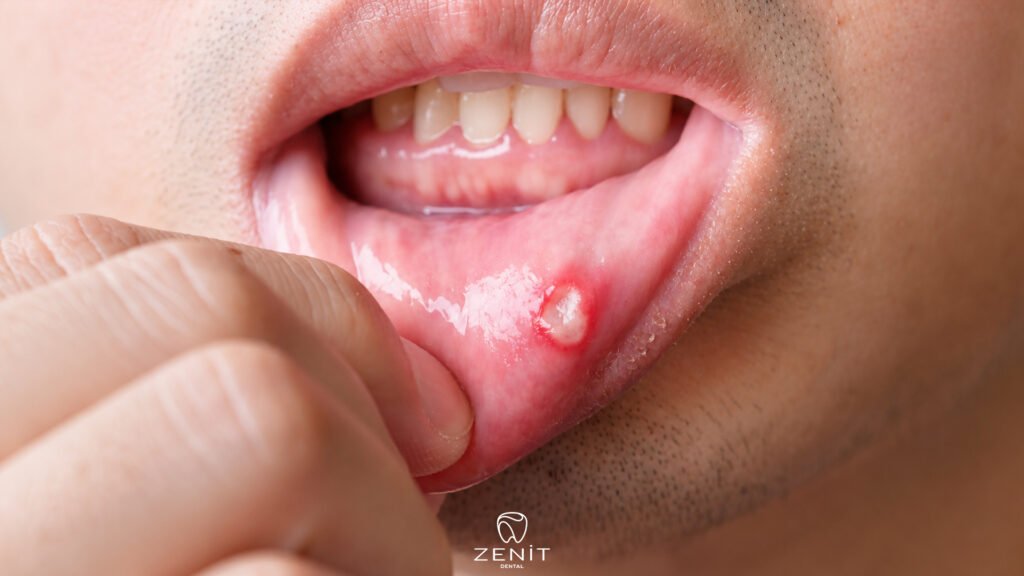
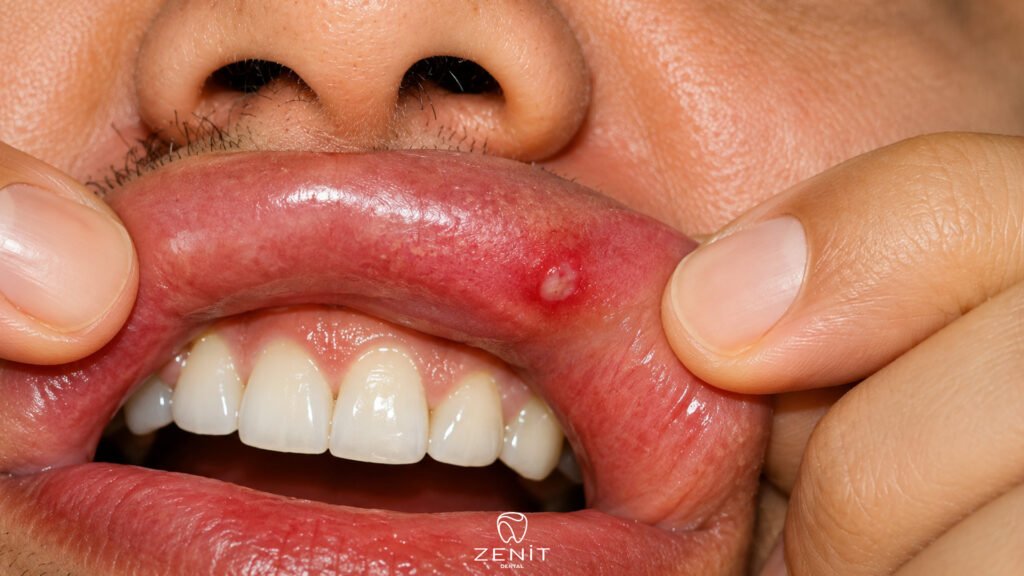
The appearance of mouth sores can vary from person to person. Some have a white or yellowish center surrounded by a red border, while others remain small and superficial. In some cases, however, they may become so sensitive that eating, speaking, or even brushing your teeth becomes uncomfortable. Although most mouth sores begin to heal within a few days, they can significantly affect a person’s daily comfort during that time.
When people think of a mouth sore, the first thing that usually comes to mind is a canker sore. While canker sores are among the most common types, not every sore inside the mouth is a canker sore. Similar-looking lesions may develop as a result of minor trauma, infections, or other underlying health conditions. For this reason, mouth sores that recur frequently, persist for more than two weeks, gradually increase in size, or cause severe pain should not be overlooked and should be evaluated by a dentist or an appropriate healthcare professional.
Most Common Causes of Mouth Sores
There is no single cause of mouth sores. Sometimes something as simple as accidentally biting your cheek may be enough to trigger one, while in other cases stress, dietary habits, or your overall health may play a role. For some individuals, several contributing factors may occur at the same time, making mouth sores more likely to develop. This is why, particularly in cases of recurrent sores, it is important to look beyond the sore itself and consider the factors that may have caused it.
Minor injuries that occur during everyday life
The tissues inside the mouth are much more delicate than most people realize. A hard piece of bread, sharp-edged foods such as chips, or accidentally biting the inside of your cheek while eating too quickly can all result in a small sore. Often, you may not even notice the injury until a few hours later, when the area starts to sting and you realize a sore has developed.
There are also situations that can cause continuous irritation to the tissues inside the mouth. A broken tooth, a filling with a rough edge, an ill-fitting denture, or orthodontic braces can repeatedly rub against the same area, making it difficult for the tissue to heal. In these cases, it is important not only to wait for the sore to heal but also to address the source of the irritation.
Stress May Have a Greater Impact Than You Think
Many people notice that mouth sores appear more frequently during stressful periods of their lives. Exam weeks, a demanding workload, family-related challenges, or prolonged mental fatigue may all contribute to the development of sores inside the mouth.
Although the exact relationship has not yet been fully explained scientifically, stress is believed to influence the immune system, which may make the tissues inside the mouth more sensitive. When combined with poor sleep, insufficient rest, and an unbalanced diet, the likelihood of developing mouth sores may increase.
Vitamin and Mineral Deficiencies
Like every other part of the body, the tissues inside the mouth require certain vitamins and minerals to remain healthy. Studies suggest that mouth sores may occur more frequently in individuals with deficiencies of vitamin B12, folic acid, iron, or zinc.
Of course, not every mouth sore is caused by a vitamin deficiency. However, if the sores recur frequently or persist for a long time, it may be beneficial to evaluate not only the oral tissues but also your overall health. When considered necessary, blood tests can help identify any underlying nutritional deficiencies.
Changes in the Immune System
The immune system plays a vital role in protecting the body. However, during certain periods, changes in the way the immune system functions may create conditions that contribute to the development of recurrent mouth sores.
In addition, some systemic medical conditions may also present with mouth sores. For this reason, sores that last longer than two weeks, recur frequently, or are accompanied by other symptoms should not automatically be assumed to originate solely from the mouth and should be professionally evaluated when necessary.
Hormonal Changes
Some women may notice that mouth sores become more common during periods of hormonal fluctuation. Menstruation, pregnancy, and other hormonal changes may temporarily increase the sensitivity of the oral tissues.
This does not affect everyone in the same way. While some people never experience this issue, others may develop similar sores repeatedly during certain periods of their lives. Paying attention to these patterns may help identify possible triggers.
Certain Foods May Irritate the Oral Tissues
Although not everyone reacts the same way to food, some individuals may notice that mouth sores appear after consuming certain foods. Spicy meals, acidic foods, citrus fruits, and very hot foods or beverages may irritate the delicate tissues inside the mouth.
If you notice that similar sores develop after eating specific foods, keeping track of these triggers and discussing them with a healthcare professional may be helpful. This can make it easier to identify factors that are unique to you.
Neglecting Oral Hygiene
Maintaining good oral hygiene is important not only for preventing tooth decay but also for keeping the soft tissues inside the mouth healthy. Inadequate brushing, failure to floss, or poor oral hygiene may not directly cause mouth sores, but they can delay the healing of existing irritation.
Maintaining a healthy oral environment by brushing your teeth at least twice a day using the correct technique, flossing regularly, and attending routine dental check-ups can help support overall oral health.
How Do Mouth Sores Heal?
Although most mouth sores heal on their own within a few days, maintaining good oral hygiene and avoiding very hot, spicy, and acidic foods for a short period may help support the healing process. However, mouth sores that last longer than two weeks, recur frequently, or become painful enough to interfere with daily life should not be ignored. In some cases, what appears to be a simple sore may actually be a sign of an underlying health condition. Therefore, understanding why the sore developed is just as important as relieving the symptoms themselves.
Maintaining awareness of any changes in your oral health and seeking professional advice early can help identify potential problems before they become more serious. If your mouth sores persist, recur frequently, or cause significant discomfort, consider scheduling an evaluation with your dentist. A healthy mouth is not only essential for everyday comfort but also plays an important role in supporting your overall health.
Comments are closed