


What is a Surgical Guide? How is it Applied?
When it comes to dental treatments, many people still picture traditional methods: impressions are taken from the teeth, sent to the lab, planning is done, and the process slowly moves forward. This somewhat tiring and uncertain classical approach was accepted as the standard for many years.
But today, things are very different. Thanks to the integration of technology into dentistry, treatment processes can now be planned in a much more controlled, predictable, and most importantly, highly precise way. With digital impression systems, three dimensional imaging techniques, and computer assisted planning, we no longer rely on estimation but on seeing and measuring.
This both increases patient comfort and significantly improves treatment success.
What is a Surgical Guide?
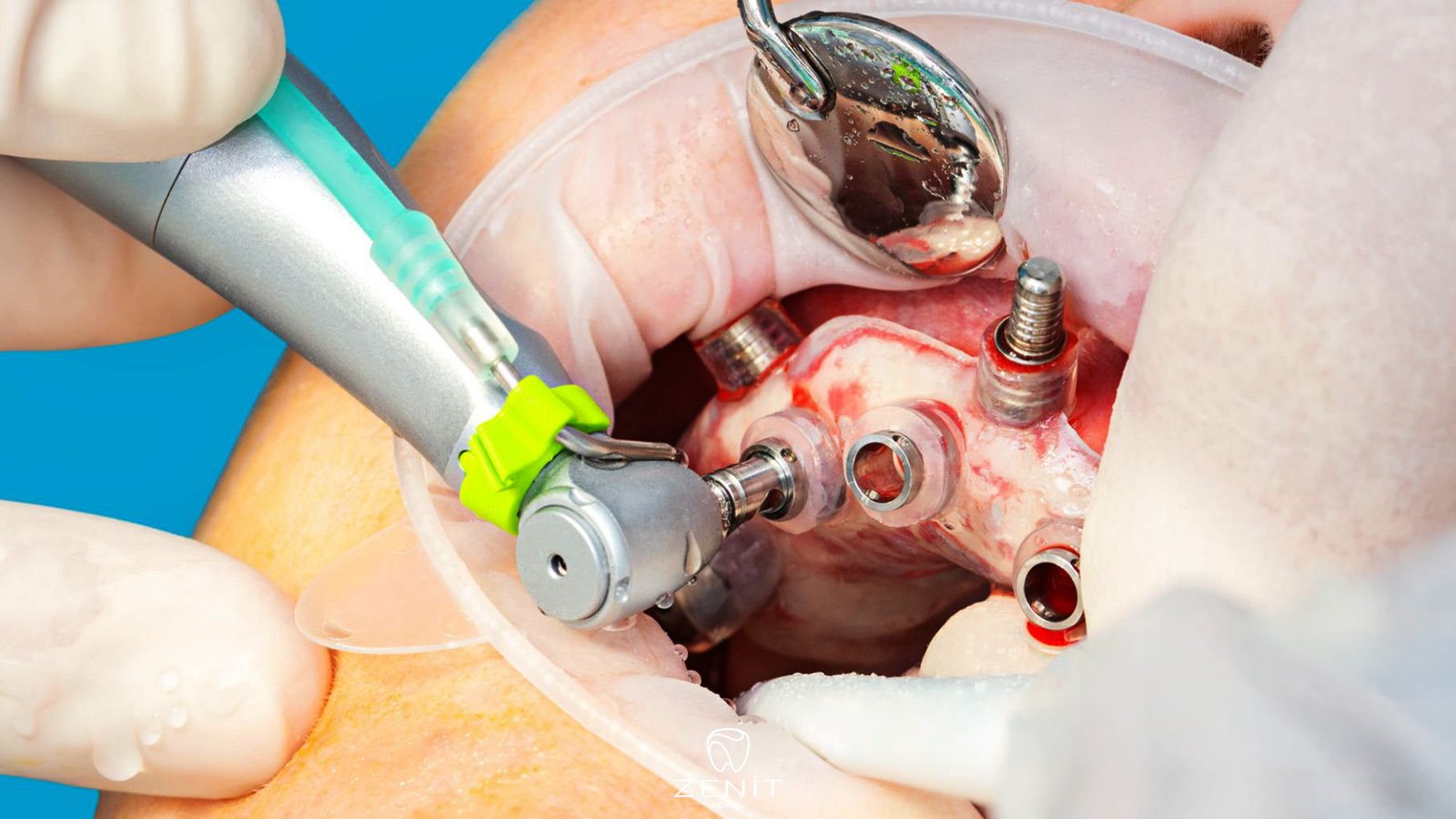
A surgical guide is a special support system commonly used in implant treatments, making the procedure much safer, more planned, and more predictable. In simple terms, it is a custom made device that acts like a guide, showing the dentist step by step what to do during the operation.
This system is completely customized according to the patient’s oral structure. First, digital measurements are taken, then detailed planning is performed using 3D imaging technologies. After that, the surgical guide is produced according to this plan and used actively during the operation.
You can think of it like this: the surgical guide is a roadmap that determines exactly where the implant should be placed, at what angle it should go, and what the ideal depth should be. In other words, terms like “trial and error” or “approximately” are completely eliminated during the procedure.
This allows the dentist to work not only based on experience but also on a precise digitally prepared plan. This increases the accuracy of the operation and provides a more comfortable and safer treatment process for the patient.
Why is a Surgical Guide Used?
Dental implant treatment may seem simple from the outside, but it is actually a highly delicate surgical procedure. Inside the jawbone, there are nerves, blood vessels, and various anatomical structures, and even the smallest intervention in this area is very important. Therefore, even millimetric accuracy during implant placement can directly affect treatment success.
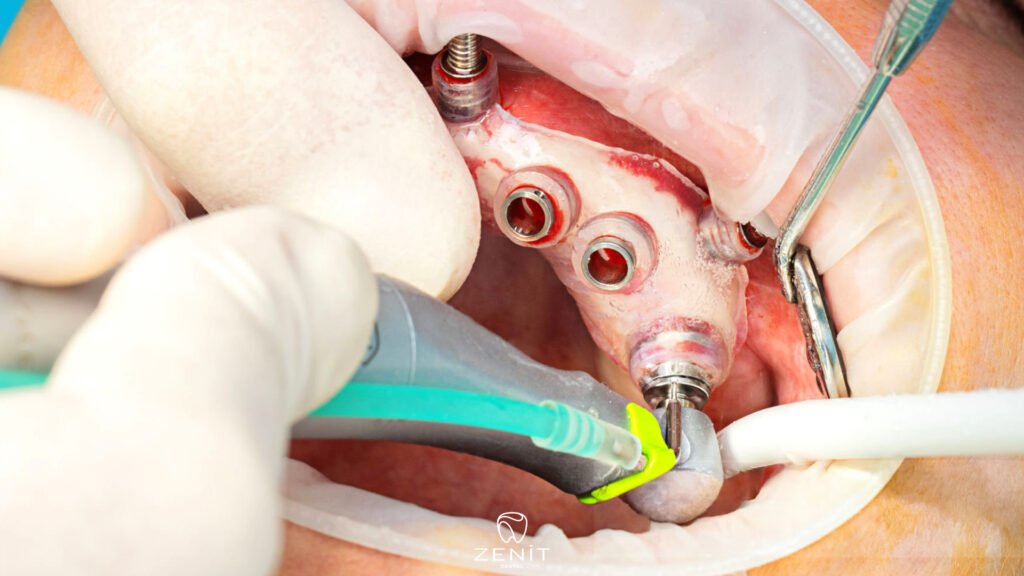
The surgical guide makes the process much more controlled. Thanks to this custom made guide prepared according to a pre planned digital design, the implant can be placed at the correct angle, in the correct position, and at the proper depth. This minimizes the risk of damaging critical anatomical structures, allowing the dentist to proceed much more safely.
At the same time, using a surgical guide increases not only safety but also comfort. The operation time is shortened, fewer incisions are made, and tissues experience less trauma. This helps patients go through a faster and more comfortable healing process, making it one of the most important tools of modern dentistry for both dentist and patient.
How is a Surgical Guide Prepared?
The process of preparing a surgical guide is one of the most important innovations that digital technology has brought to dentistry. First, the patient’s oral structure is digitally scanned in three dimensions using special scanners. Compared to traditional impression methods, this process is much more comfortable and provides a smoother experience for patients.
Then, a 3D tomography scan is performed to analyze the internal structure of the jawbone in detail. These images clearly show bone density, the paths of nerves, and the areas suitable for implant placement. In other words, not only the external structure but also all internal anatomical details become visible.
All this data is then transferred to a computer environment, where the dentist precisely plans where the implant will be placed, at what angle, and at what depth. This stage is the most critical part of the process, as the entire surgical procedure is digitally designed here.
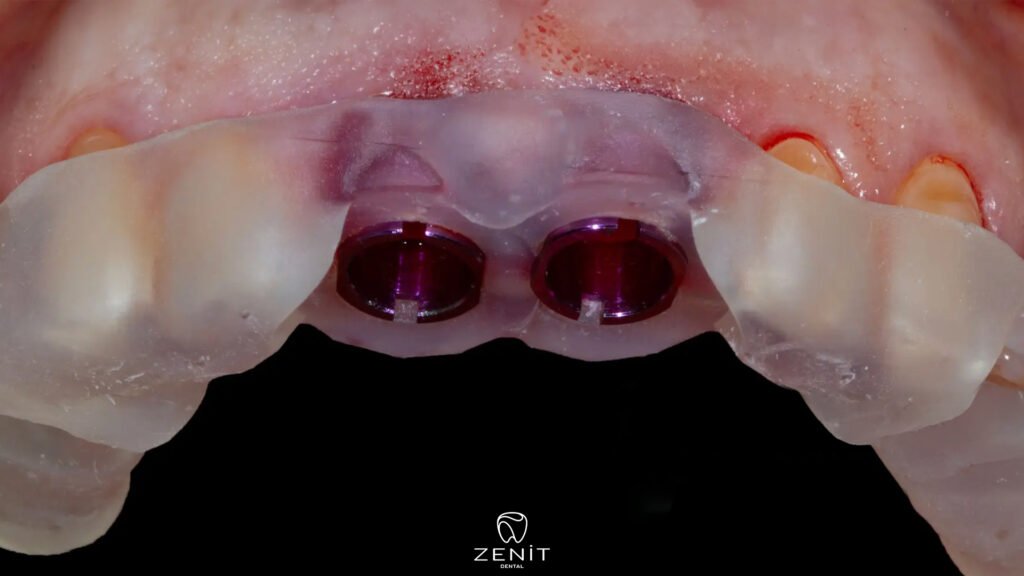
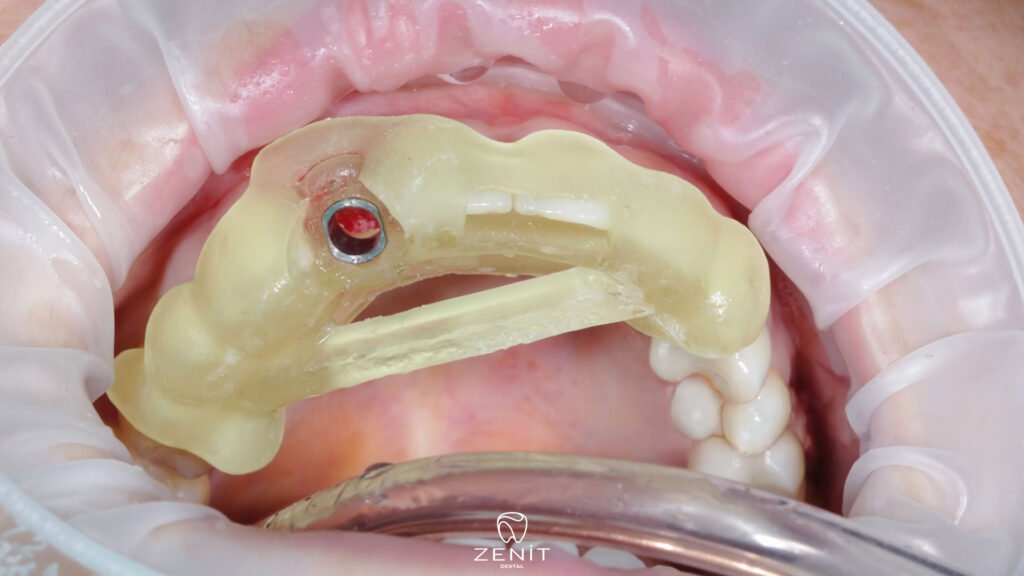
After the planning is completed, the custom surgical guide is produced. It is manufactured using 3D printers and becomes ready to be used as a guide during the operation.
Difference Between Surgical Guide and Classical Method
Comments are closed