


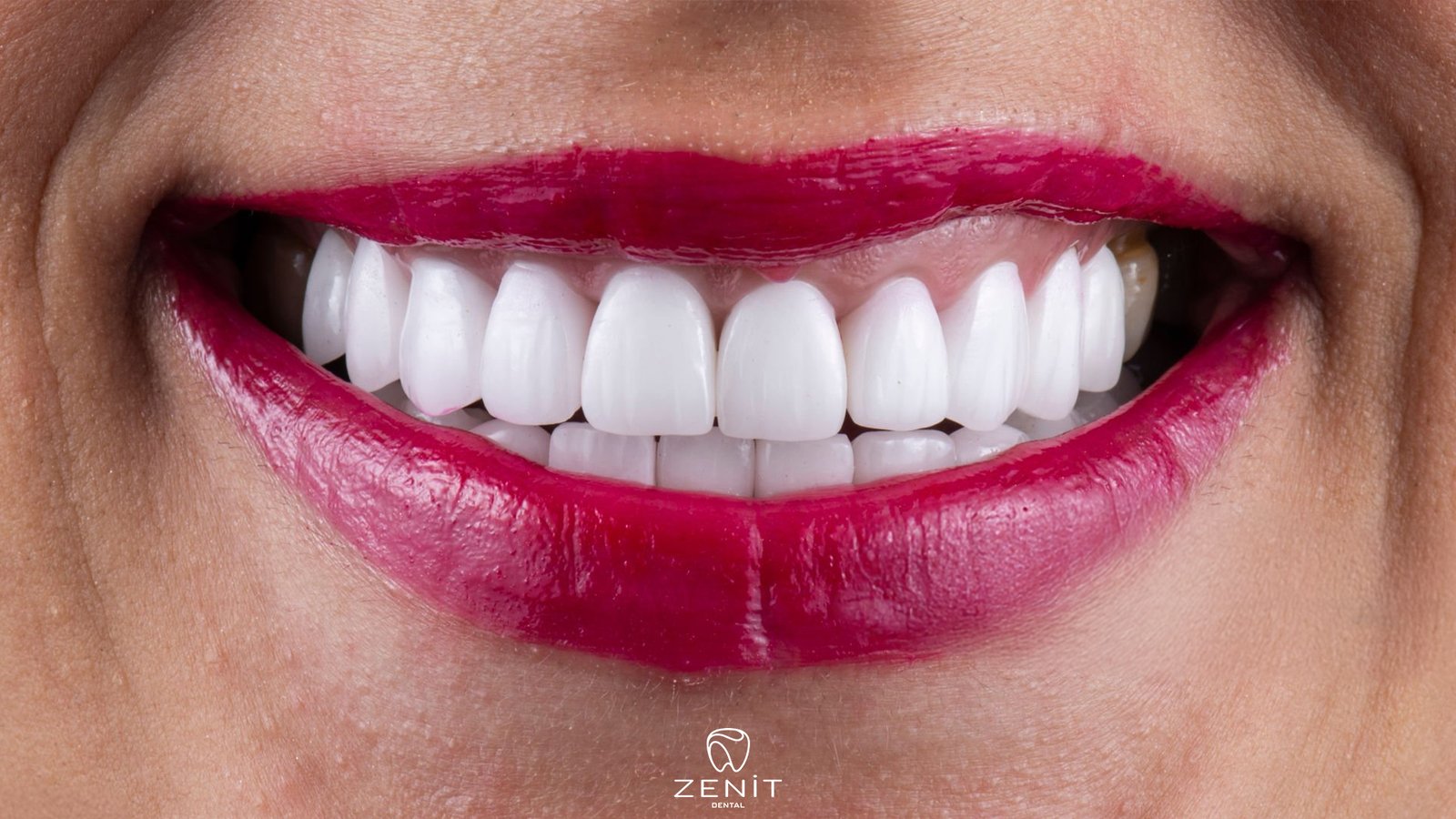
Can the Tooth Under a Crown Decay?
One of the most common questions people ask after getting a dental crown is: “Can the tooth underneath still decay?” Honestly, it’s a very natural concern. Once a crown is placed, many people assume the tooth is fully protected and that no further problems can happen in that area. After going through a long dental treatment process, it’s easy to feel like, “Alright, that’s done.” But when it comes to oral health, some small details can be overlooked, and over time, they may lead to unwanted surprises.
The short answer is: Yes, the tooth under a crown can still decay. But there’s no reason to panic. This does not mean it happens to everyone with a dental crown. In fact, with proper care and regular dental check-ups, crowned teeth can stay healthy and problem-free for many years. The important thing is understanding that a crown does not make the tooth completely “untouchable.” Daily oral care still matters.
It’s important to understand how crowns work. A dental crown is placed over a damaged or weakened tooth like a protective shell. Its purpose is to strengthen and support the tooth while improving appearance. However, underneath the crown, your natural tooth is still there. If oral hygiene is not maintained properly, plaque and bacteria can build up around the edges where the crown meets the gums. Over time, this may lead to decay. The tricky part is that many people don’t notice it right away because the crown may still look perfectly fine from the outside.
Many people are surprised and say, “But I already got a crown, how can it decay?” While the crown itself is strong, the tooth underneath is still living tissue and still needs care. Think of it like buying a brand-new car even the best car still needs maintenance. Brushing habits, flossing, regular dental visits, and even your diet play a much bigger role than most people realize.
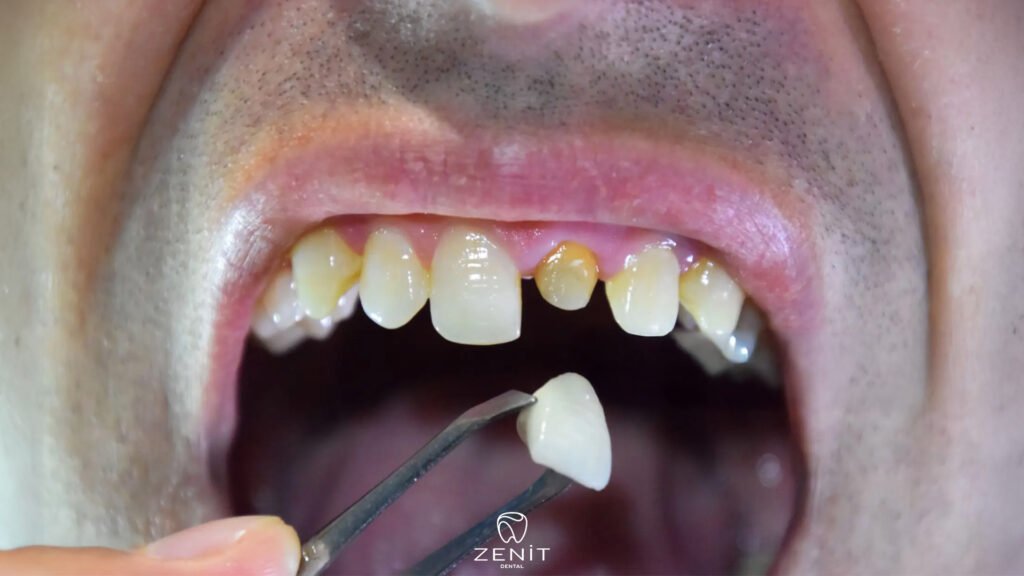
Does a Crown Fully Protect the Tooth?
This is something many people wonder: “If I have a crown, does that mean this tooth will never have problems again?” If only it were that simple. Yes, dental crowns are strong and highly effective restorations designed to protect teeth, but it’s not realistic to think of them as a lifelong shield with a full guarantee.
A crown is basically a protective covering placed over the tooth. It is often recommended for teeth that are cracked, worn down, or have lost a significant amount of structure. During the procedure, the tooth is slightly reshaped, and a custom-made porcelain or other material crown is fitted over it. When you look in the mirror, you see a healthier, stronger, and more aesthetic smile. Naturally, many people think: “Great, now this tooth is completely safe.”
But there’s one important detail: your natural tooth still exists underneath the crown. It doesn’t disappear or turn into an artificial tooth. The crown simply acts as a supportive layer of protection. That means the natural tooth underneath still requires care and attention.
The areas where the crown meets the gumline can sometimes become vulnerable spots. If oral hygiene is not maintained properly, food particles and bacteria may begin to collect there. These tiny buildups may not be noticeable at first, but over time they can lead to decay. Since the crown may still look perfectly fine from the outside, many people realize there is a problem quite late. Sometimes mild sensitivity, bad breath, or unexpected discomfort can be the first signs.
A simple way to think about it is this: buying a high-quality phone case helps protect your phone, but it doesn’t mean it’s indestructible. Dental crowns work in a similar way. They protect, strengthen, and support the tooth, but they can’t prevent every issue on their own if proper care is neglected.
Why Does the Tooth Under a Crown Decay?
To understand why a tooth under a crown may decay, it helps to look at the situation realistically. Many people feel relieved after getting a crown and assume the problem is permanently solved. But while a crown protects and strengthens the tooth, the natural tooth underneath is still alive and still requires care. In other words, the process doesn’t completely end after treatment.
One of the biggest reasons is poor oral hygiene. Sometimes people unintentionally become less careful, thinking, “I already have a crown anyway.” Brushing may become rushed or inconsistent, and flossing is often skipped. Plaque buildup around the edges of the crown creates an ideal environment for bacteria. Missing nighttime brushing can make things worse, since bacteria and food debris stay in the mouth longer while you sleep, increasing the risk of decay.
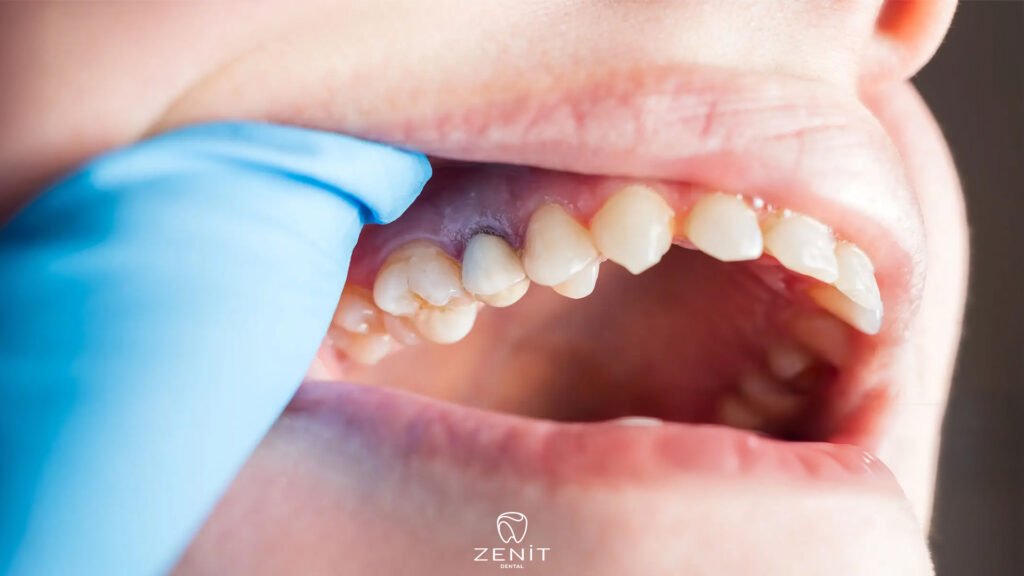
Another important factor is tiny gaps that may develop around the edges of the crown over time. These gaps are often too small to notice with the naked eye, but they can become an entry point for bacteria. Gum recession, wear over time, or a crown losing its perfect fit can also contribute to this issue. From the outside, everything may look completely normal while decay quietly develops underneath.
The quality of the crown placement also matters a great deal. If the crown was not fitted properly, if there are imperfections around the edges, or if the bonding process was not ideal, bacteria may find ways to seep underneath. This is why both the quality of the crown and the precision of the treatment are so important. A well-made crown can make a major difference in long-term success.
Diet also plays a direct role in the process. Frequently consuming sugary foods, soda, or acidic drinks can disrupt the balance inside the mouth and allow bacteria to thrive more quickly. Snacking constantly throughout the day may increase the risk as well. Of course, this doesn’t mean you need to completely give up your favorite foods balance is key. With good habits and proper oral care, crowned teeth can often remain healthy for many years.
How Can You Tell If There Is Decay Under a Crown?
Spotting decay underneath a crown can actually be more difficult than many people expect. These types of cavities don’t always cause symptoms right away and can quietly progress over time. Still, there are some small warning signs worth paying attention to. For example, new sensitivity in a crowned tooth, discomfort when eating hot or cold foods, bad odor around the gums, or mild pain while chewing may all be signals. In some cases, the crown may even start to feel loose or unstable.
But here’s the important thing to remember: not every cavity causes pain immediately. Especially in the early stages, decay can develop silently, making people think, “I don’t feel anything, so everything must be fine.” Unfortunately, that can be misleading. This is why regular dental check-ups matter not just visits when pain appears. Problems caught early are usually much easier to treat before they become more complicated.
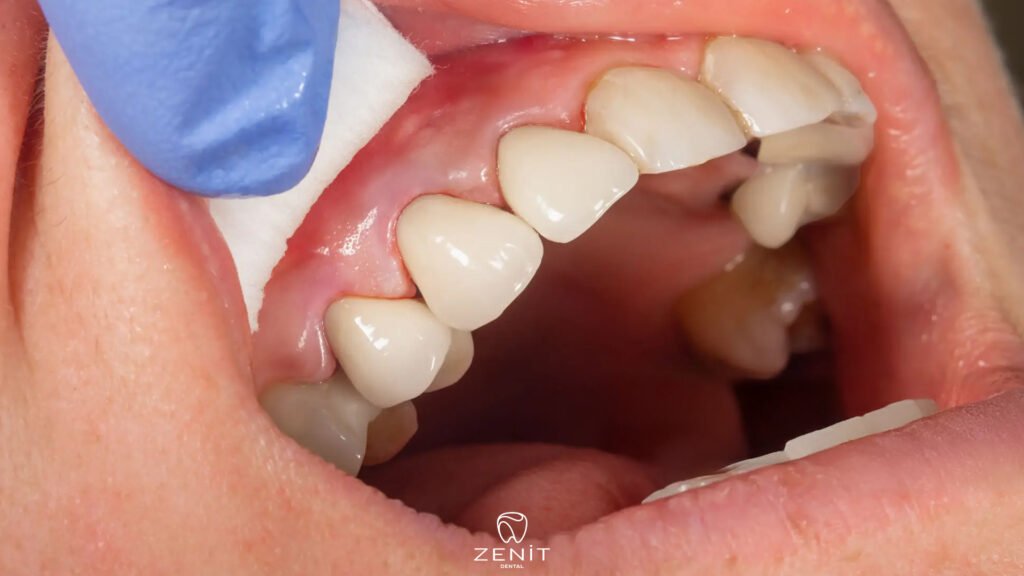
What Happens If the Tooth Under a Crown Decays?
What happens next depends entirely on how advanced the decay is. If the problem is caught early, treatment is often relatively simple. The crown may be removed, the decay cleaned, and a new crown placed to restore the tooth. At this stage, there is usually no reason to panic in many cases, the issue can be managed without major complications.
However, if the decay has progressed further, treatment may become more involved. A root canal may be necessary, and in more severe cases, tooth extraction could even become an option. That may sound a little intimidating, but the key thing to remember is this: the earlier the problem is discovered, the easier and more comfortable the treatment tends to be. Small issues are often much easier to solve before they turn into bigger ones.